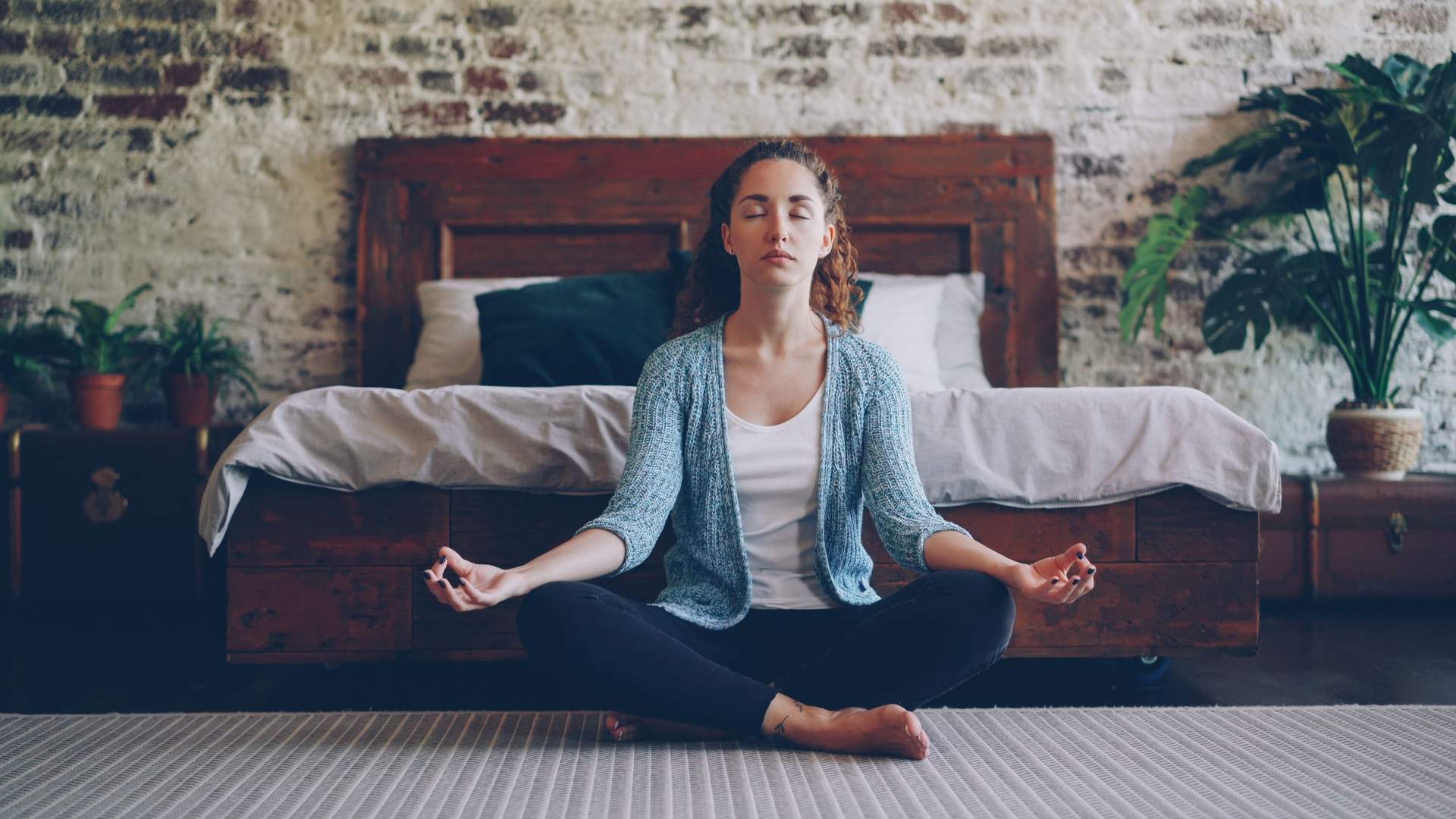
Let's be honest: these days, the moment you experience anything as negative, some video, podcast or Instagram post pops up to tell you how to flip it into a positive. It's as if nothing is allowed to feel bad anymore. As if, when something isn't working, you simply haven't found the right routine yet, the right mindset, the right morning affirmation. But is that actually true?
For a long time, I struggled with how to fall in love with mornings. I tried. I really tried. I read the articles claiming that if you wake up five minutes earlier and drink water before touching your phone, everything changes. I listened to the podcasts insisting that morning journaling reshapes your entire day. There was a stretch where I set the alarm for six, went out on the balcony, and tried to tune into what so many people call the most beautiful part of the day. It didn't work. I went back to bed instead.
What mornings actually feel like for me
For me, a morning looks roughly like this. You wake up, and the first feeling isn't freshness, or possibility, or "how wonderful, a brand-new day." The first feeling is five more minutes. Then another five. Then the moment when you realize you can't put it off any longer — and that moment is never pleasant for anyone.
There are things I do love within the morning. The smell of coffee before I've even had a sip. Summer mornings when the apartment is still cool and the sunlight isn't harsh yet. Those few minutes of quiet when nothing is asking anything of me. But none of that comes from loving mornings. These are small refuges I've found despite the morning. The difference matters.
Why they want you to love it
Over the past decade, the self-improvement industry has painted a very specific picture of the ideal person. They wake up early, they're productive, bursting with energy, and their day flows along neatly ordered routines. The morning has become a symbol of success — and if you can't learn to love it, it feels like you're missing out on something everyone else has already figured out.
That message isn't just exhausting; it also doesn't hold up scientifically. Research suggests that roughly half of people have an internal clock tilted more toward the evening, based on their chronotype. That's not laziness or a flaw — it's genetically determined.
Not because they lack willpower, but because their body simply runs on a different rhythm.
What actually changed something for me
It wasn't learning to love mornings. It was ending the war I was waging over them. I no longer try to convince myself that mornings are beautiful. I don't force cheerfulness, and I don't feel ashamed that for my first thirty minutes I resemble a zombie far more than the radiant, energetic person in those motivational videos.
I drink my coffee. I ease into the day slowly. And that's fine. Because some things really can be changed, and some things are worth accepting. In my case, a grumpy morning falls firmly into the second category. You don't have to fix everything that feels bad. Some things you just need to know about yourself. Self-awareness isn't always about becoming a better version of you. Sometimes it's about laying down the fight with yourself.
Is disliking mornings a sign of laziness?
No. According to the research mentioned above, about half of people naturally lean toward an evening chronotype. Struggling with early hours reflects your internal clock, not a lack of discipline.
Can I really change into a morning person?
You can adjust some habits, but your underlying rhythm is largely genetically determined. For many people, forcing it takes real effort with little payoff — which is why acceptance can feel better than the constant battle.
What is a chronotype?
It's your body's natural tendency toward being more alert in the morning or the evening. A late chronotype means the routines that come easily to early risers require genuine effort from you.
Should I give up on morning routines entirely?
Not necessarily. The point isn't to abandon everything, but to stop shaming yourself for not loving mornings. Keep the small rituals that genuinely help — like a quiet coffee — and let go of the pressure to feel radiant at dawn.