Opinion piece by Barbara Lee
For over a year, the gym was simply part of my life. I came to exercise late — as an adult — but once it clicked, I genuinely loved it. I had a rhythm, a sense of progress, and something even better: the quiet certainty that this was just what I did. Not a negotiation, not a reward. Just a given that made every day a little better.
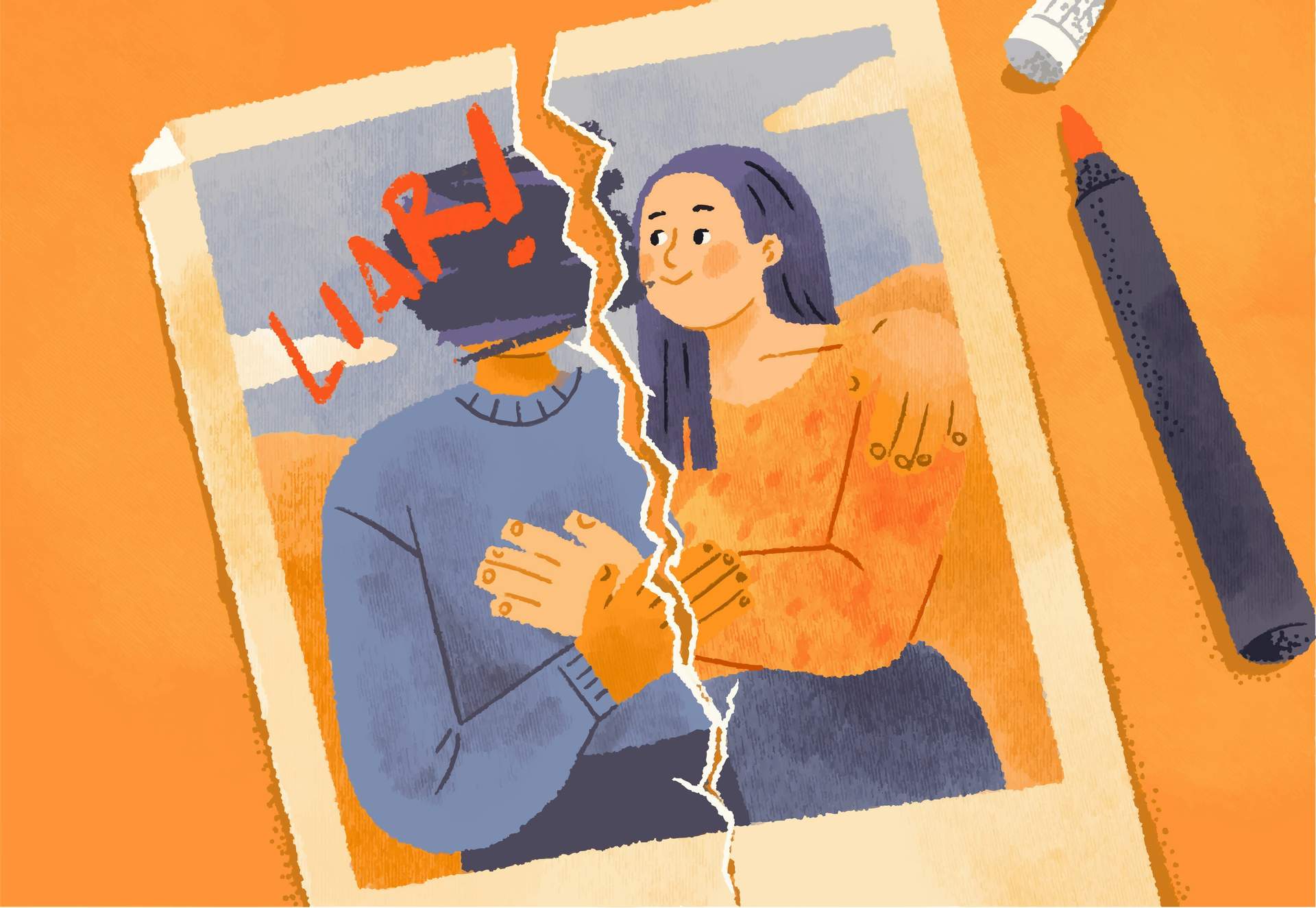
How a few days off turned into four months
Then came the holidays. The rushing around, the travel, the completely derailed routine. At first, just a few days slipped by — totally innocent. It was Christmas, I told myself. I'd be back in January. But a few days became a few weeks, and a few weeks quietly became almost four months.
There was no single big decision to stop. Just a long string of small ones: "not today," "maybe tomorrow," "I don't feel ready to start over."
And slowly, I started noticing the changes. Small things at first. My shoulders felt less defined. Then my back started aching again. Everyday movements felt heavier. I got tired in places I never used to. And the worst part? I could see the progress I'd worked for quietly disappearing. That realization made everything harder — because the more I felt myself losing ground, the more impossible it seemed to go back.
It wasn't the physical effort I was afraid of. It was the feeling of having gone backwards.
I went back on a random Thursday afternoon
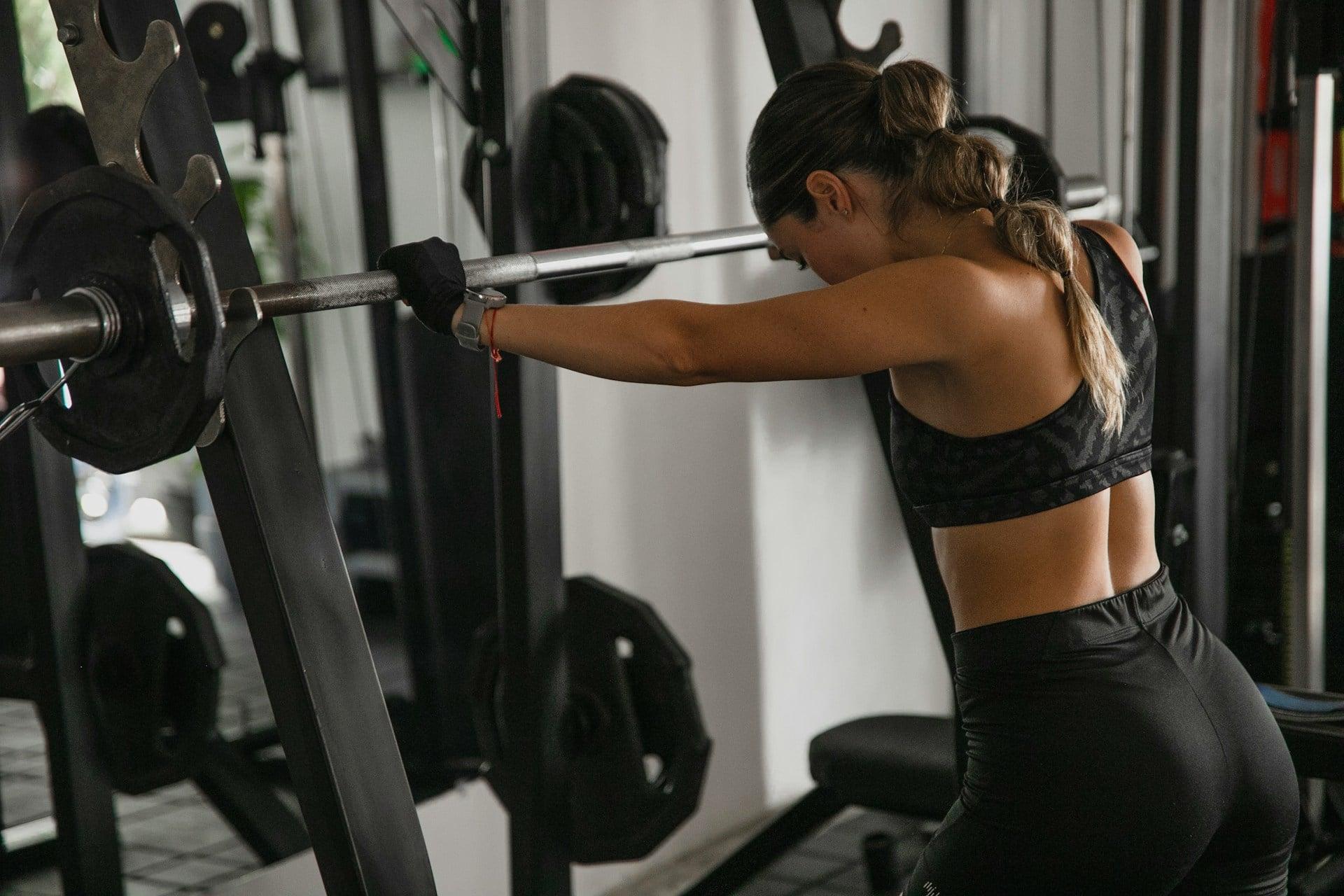
In the end, there was no dramatic turning point. No surge of motivation. Just a tired Thursday afternoon when I stopped waiting for the "right moment" — a new week, a new month, a better mood — and simply grabbed the gym bag I'd left by the door and walked over.
It was less a decision and more a quiet surrender: I don't want to wait another four months to feel like myself again.
And looking back, that walk through the door was the hardest part. Yes, I was weaker. The weights I used to lift felt heavy. I needed more rest between sets. On paper, the drop-off was obvious.
But here's the thing — my body remembered. The movements felt familiar. There was none of that total uncertainty from when I first started. It was more like returning to an old routine that had gotten a little rusty, but hadn't disappeared. Muscle memory is a quietly remarkable thing.
It wasn't my muscles I'd missed — it was the feeling
Somewhere in the middle of that first session, something shifted. My body felt lighter, more fluid, less like it was carrying invisible weight. And it had nothing to do with how impressive the workout looked from the outside — because it really didn't.
The dopamine, the energy, that strange calm satisfaction at the end of a session — no mirror can give you that.
It hit me that the biggest loss during those four months wasn't the muscle I'd lost or the strength that had faded. It was this feeling — and the fact that I'd slowly forgotten how much I missed it.
Coming back wasn't really about reclaiming my old fitness level. That will come with time. It was about reconnecting with what movement actually gives me — mentally, emotionally, physically. And that happened the moment I picked up a weight again.
If you've been putting off going back, here's what I wish someone had told me: the version of you that walks back in doesn't need to be the version that left. You just need to walk back in.