Japan is home to some of the longest-lived people on the planet. But the secret isn't hidden in a lab or locked inside a rare gene — it's woven into the fabric of everyday life. The food they eat, the way they move, the connections they keep, and the meaning they find in each day all add up to something remarkable. And the good news? Most of it is something any of us can learn from.
A diet built on real food
Japanese eating habits are a masterclass in simplicity. The traditional diet revolves around fish, vegetables, and soy-based foods — ingredients that are minimally processed and naturally rich in nutrients. Fish, especially oily varieties, are packed with omega-3 fatty acids that protect the heart and support healthy aging. Plant-based proteins from tofu and miso help maintain muscle mass without the downsides of heavy red meat consumption.
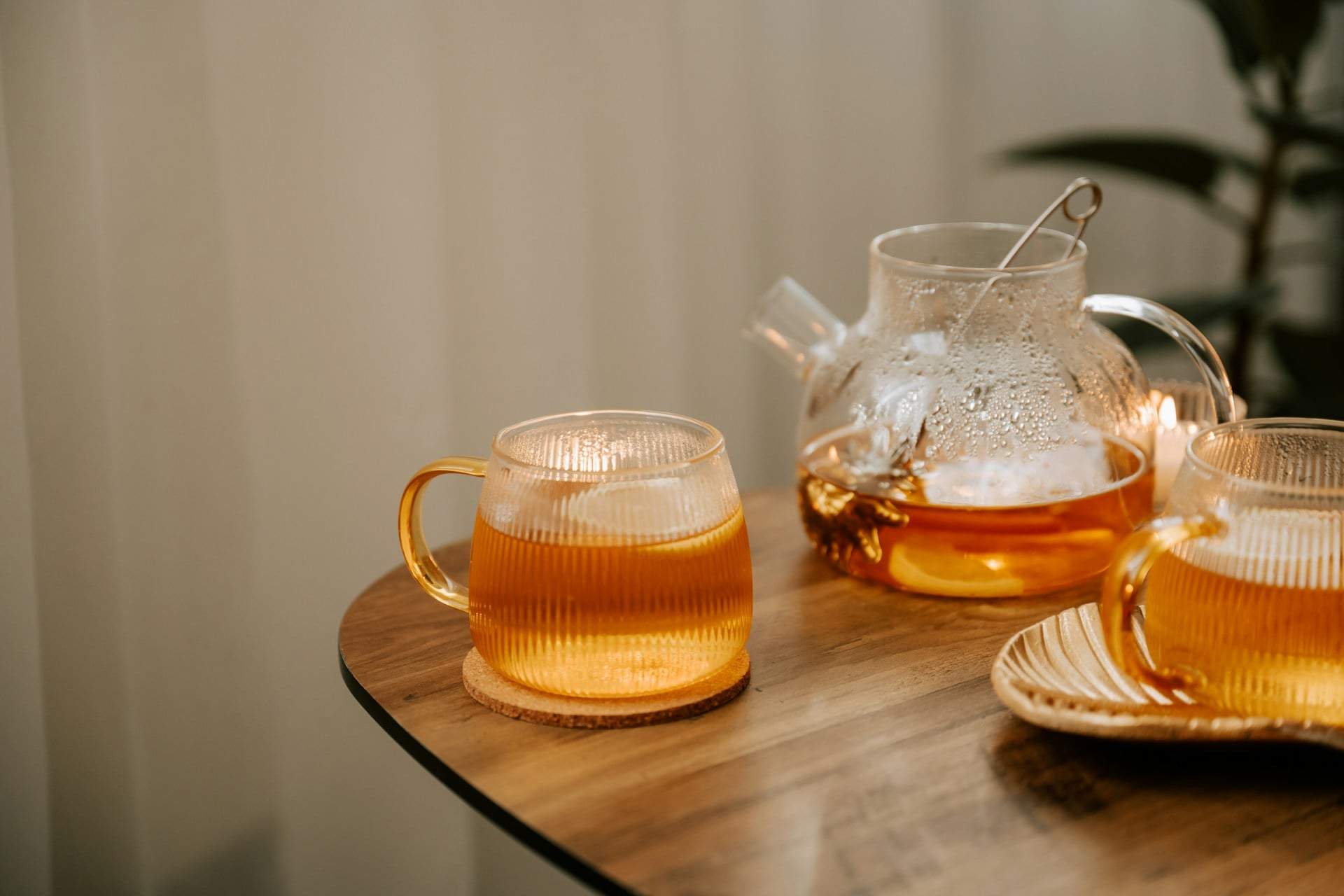
Portions are notably smaller than in most Western countries, and meals are often accompanied by green tea — one of the most antioxidant-rich drinks in the world. Sugar consumption is low, and the cultural commitment to fresh, seasonal ingredients remains strong even in a modern, fast-paced society. It's not a diet in the trendy sense — it's simply a way of eating that has stood the test of centuries.
Movement as a way of life
In Japan, staying active isn't something you schedule around your day — it is the day. Morning walks, group stretching sessions, tai chi in the park, and even workplace cardio routines are deeply embedded in daily culture. Physical activity doesn't require a gym membership or a rigid fitness plan; it's built into the rhythm of ordinary life.
This kind of consistent, low-intensity movement doesn't just protect the body — it has a profound effect on mental wellbeing too.
Alongside physical activity, the Japanese approach to stress is equally instructive. Mindfulness and present-moment awareness aren't buzzwords here — they're lived practices. A balanced relationship with work, a slower pace of thought, and a genuine effort to stay grounded in the present all help reduce the chronic stress that quietly erodes health in so many other cultures.
The power of belonging
Strong social bonds are one of the most underrated factors in longevity — and Japan takes them seriously. Family ties, community gatherings, and close friendships all contribute to a sense of emotional security that keeps people healthier for longer. Feeling genuinely cared for and connected to others isn't a luxury; research consistently shows it's one of the strongest predictors of a long life.
Central to this is the concept of ikigai — a Japanese philosophy built around finding your reason for being. It's the intersection of what you love, what you're good at, what the world needs, and what sustains you. Having a clear sense of purpose gives life direction and meaning, and that sense of meaning, day after day, turns out to be extraordinarily good for your health.
Living in harmony with the environment
Despite being a global leader in technology, Japan has never abandoned its deep respect for nature. Traditional architectural elements like tatami flooring and shoji screens aren't just beautiful — they encourage natural ventilation, maximize daylight, and create living spaces that feel calm and grounded. Energy-conscious habits at home and at work reflect a broader cultural value: that sustainability isn't a trend, it's a responsibility.
What makes Japan's approach so compelling is this ability to hold two things in balance — embracing innovation without losing touch with nature and tradition. The result is a lifestyle that feels both modern and deeply rooted, one that supports health not just in the short term, but across an entire lifetime.
It's not luck — it's a choice
Japanese longevity isn't a mystery reserved for a single culture. It's the sum of deliberate, everyday choices: what goes on the plate, how the body is kept moving, who is kept close, what gives the day meaning, and how lightly one treads on the world. These aren't radical changes — they're small, consistent habits that compound over decades into something extraordinary.
The real question isn't why Japanese people live longer. It's which of these lessons we're ready to start living ourselves.