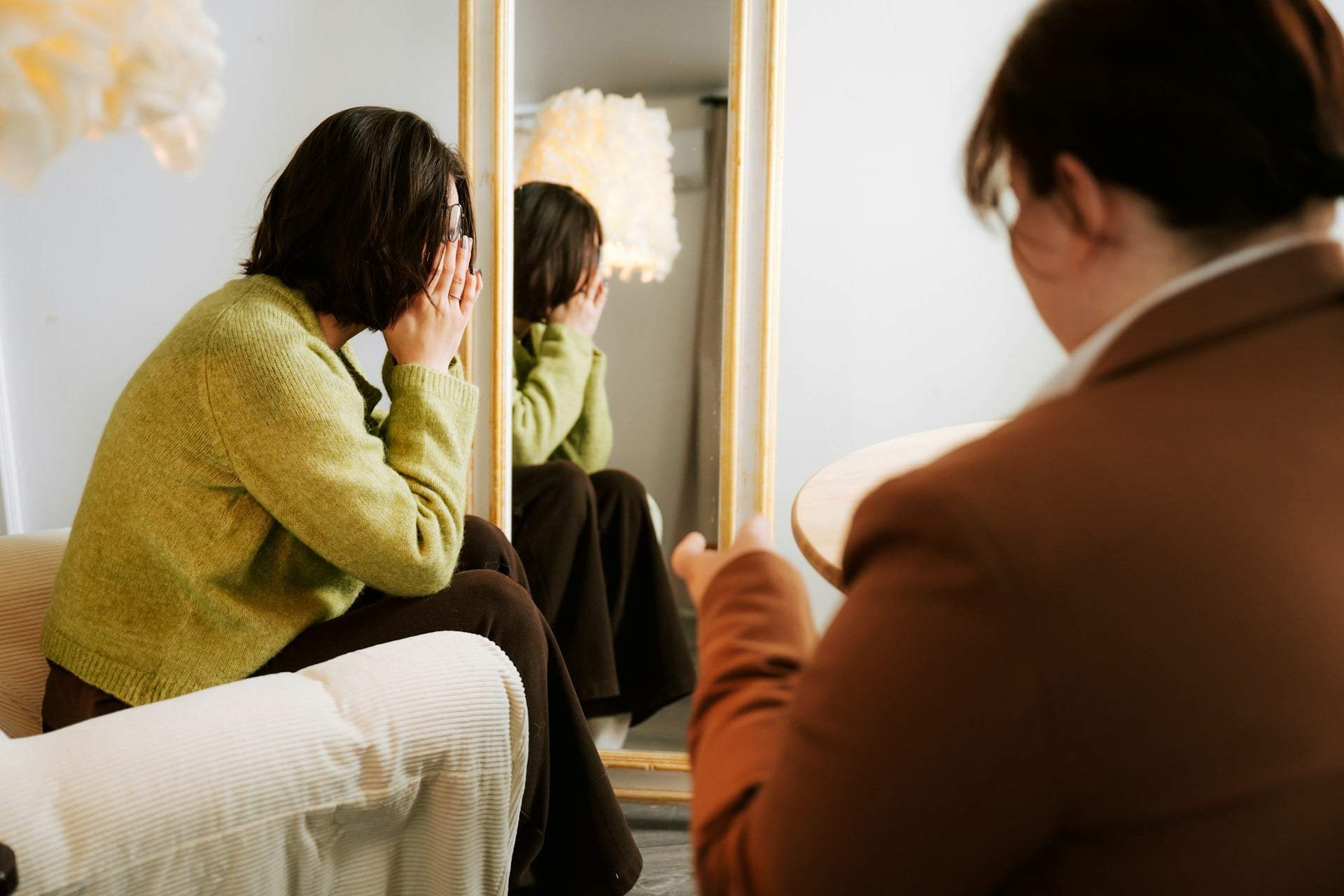
Most of us have had a strange craving at some point — an odd food combination, something salty at midnight, or a texture you just can't shake. But what if the craving wasn't for food at all? What if you felt a persistent, overwhelming urge to eat ice, dirt, chalk, or even paper? That's not just a quirk. It could be a sign of Pica syndrome, a little-known eating disorder that deserves far more attention than it gets.
What is Pica syndrome?
Pica is an eating disorder defined by the persistent craving and consumption of non-food substances — things with no nutritional value whatsoever. The name comes from the Latin word for magpie, a bird known for eating almost anything it finds. It's an apt metaphor.
People with Pica may feel compelled to eat ice, soil, chalk, raw starch, paper, or even clay — not occasionally, but regularly and with genuine urgency.
It might sound extreme, but Pica is more common than most people realize. It appears across age groups and backgrounds, and it's far from a harmless habit.
Why does it happen?
The exact causes of Pica are still not fully understood, but research points to several contributing factors. The most common explanation is a nutritional deficiency — particularly low iron or zinc levels, which may trigger the body to seek out minerals in unconventional sources.
Pica is notably more frequent in pregnant women, young children, and individuals with developmental conditions such as autism. In some cases, psychological stress or trauma may also play a role. The body's signals can become distorted in ways that are genuinely difficult to control without professional support.
The real health risks
Chewing ice or nibbling on soil might seem harmless on the surface, but Pica carries serious medical risks that shouldn't be underestimated. Consuming non-food materials can lead to:
- Infections from bacteria or parasites found in soil or contaminated materials
- Poisoning, especially from substances like paint chips or certain types of clay
- Intestinal blockages that may require emergency treatment
- Severe anemia and exhaustion caused by an ongoing nutritional deficit
The disorder can quietly worsen over time, which is why early recognition matters so much. If you're noticing unusual cravings in yourself or someone close to you, it's worth taking seriously.
When should you seek help?
If these cravings are persistent — lasting more than a month and occurring regularly — it's time to speak to a doctor. This is especially important for pregnant women and young children, where nutritional imbalances can have lasting consequences.
A healthcare professional can run tests to identify any underlying deficiencies and refer you to the right support. You don't need to wait until things feel critical. The sooner Pica is addressed, the easier it is to treat.
How is Pica treated?
Treatment for Pica typically takes a multi-layered approach. There's no single fix, but a combination of strategies tends to be effective:
- Nutritional supplementation to correct deficiencies in iron, zinc, or other minerals
- Dietary guidance from a registered nutritionist to rebuild healthy eating patterns
- Cognitive behavioral therapy (CBT), which has shown real promise in helping people manage and redirect compulsive urges
- Psychological support, particularly when stress or emotional factors are involved
Recovery is absolutely possible. With the right care, most people are able to overcome Pica and restore both their physical and mental wellbeing.
The stigma that makes it worse
One of the biggest obstacles people with Pica face isn't medical — it's social. The disorder is widely misunderstood. Some dismiss it as attention-seeking behavior. Others simply don't believe it's real. That kind of stigma keeps people silent and delays treatment.
Creating space for open, non-judgmental conversations about eating disorders — including the less familiar ones like Pica — is essential. People who struggle with this deserve support, not skepticism.
Pica may sound unusual at first, but it's a genuine medical condition with real consequences. If something feels off about your cravings or eating habits, trust that instinct and reach out to a professional. Your body is trying to tell you something.