High cholesterol doesn't hurt. It doesn't cause a fever or make you feel off. And yet it's one of the most common findings that leads a doctor to have a serious conversation with a patient. The good news? With deliberate changes to your diet and daily habits, you can meaningfully move the needle — often before medication ever enters the picture.
One important caveat: cholesterol levels are partly shaped by genetics, so natural approaches complement medical care — they don't replace it. Never self-diagnose or build a treatment plan without regular lab work and a healthcare professional in your corner.
What you should actually understand about cholesterol first
Cholesterol isn't the villain it's often made out to be. Your body needs it to build cell membranes and produce certain essential hormones. The problem starts when the balance between different types shifts — when more cholesterol gets deposited in artery walls than the body can clear away. That's why it pays to look at the full picture of your lipid profile over time, not just chase a single number.
The foods that genuinely make a difference
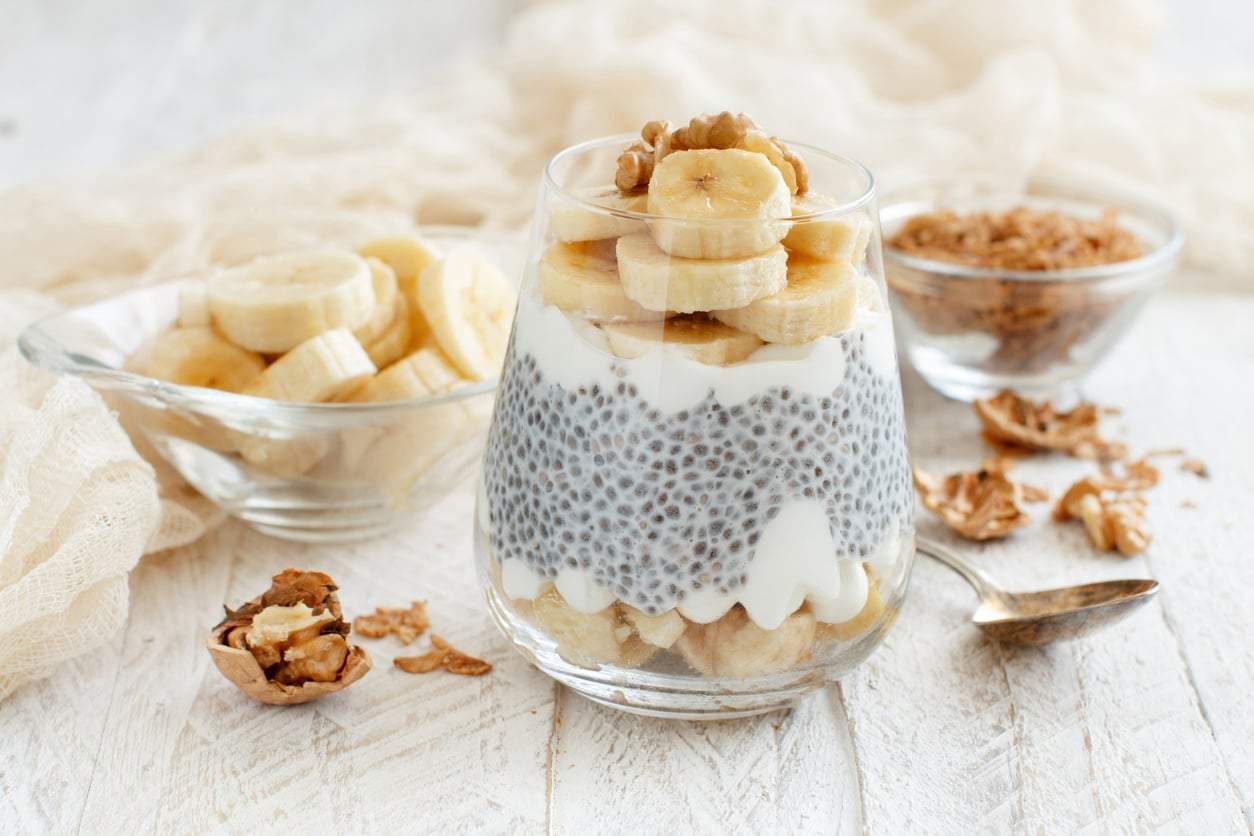
What lands on your plate is the fastest-acting lever you have when it comes to lowering cholesterol naturally. A few concrete guidelines worth weaving into everyday life:
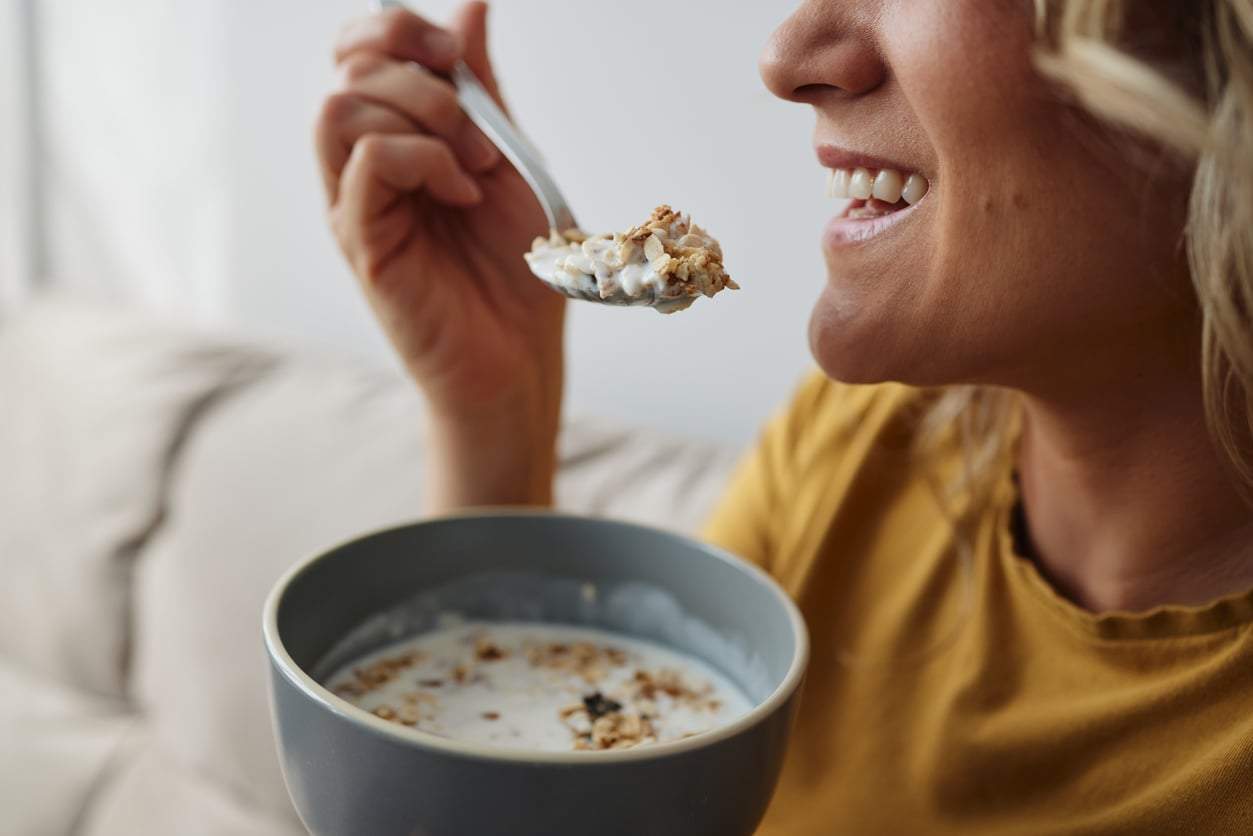
- Eat more fiber-rich foods — oats, legumes, and whole grains help bind cholesterol in the gut and carry it out of the body.
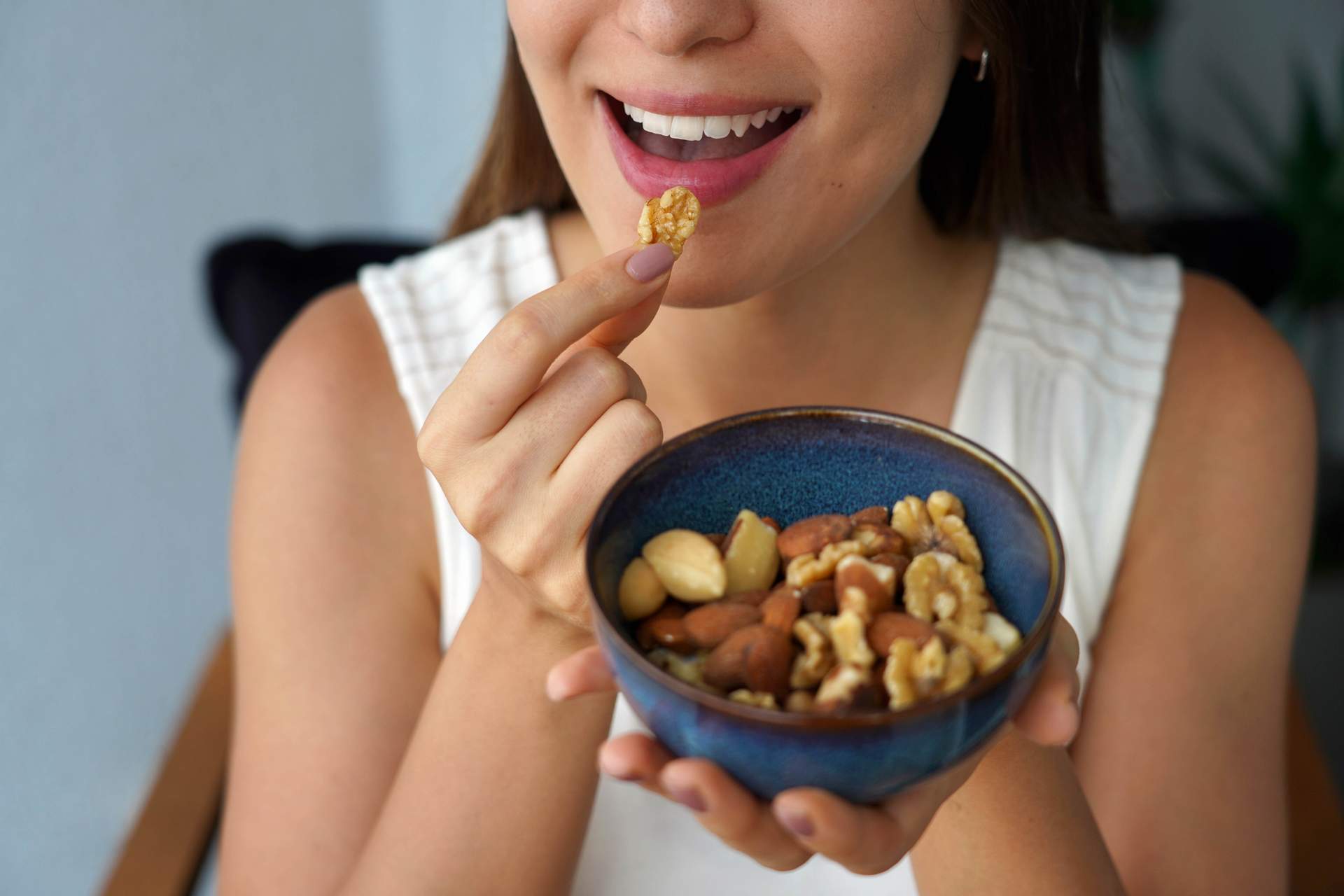
- Swap saturated fats for mono- and polyunsaturated fats: olive oil, avocado, nuts, and oily fish like salmon or mackerel.
- Cut back on red meat and processed meats, and fill the gap with more vegetables and fruit.
- Eliminate trans fats as much as possible — they hide in industrial baked goods and fast food.
- Plant sterol-rich foods have been shown in studies to help reduce cholesterol absorption in the digestive tract.
The role of exercise — more powerful than most people realize
Regular physical activity doesn't just help your waistline — it can also improve your blood lipid profile in meaningful ways. You don't need to train for a marathon. A few sessions a week of moderate-intensity movement — brisk walking, cycling, swimming — can make a real difference.
Consistency matters far more than the occasional heroic effort.
Even a daily 30-minute walk, done regularly, is enough to start seeing positive changes in how your body manages cholesterol. The key is making movement a habit, not a punishment.
Body weight, sleep, and stress: the hidden drivers
Carrying excess weight — especially belly fat — is closely linked to worse blood lipid values. But that's not the whole story. Poor sleep and chronic stress can quietly disrupt metabolic processes and, indirectly, push cholesterol levels in the wrong direction.
It's worth paying just as much attention to rest and stress management as you do to what you eat. These factors work together, and ignoring one while fixing another limits how much progress you can make.
Smoking, alcohol, and other habits worth rethinking
Quitting smoking appears near the top of virtually every cardiovascular health recommendation — and for good reason. It can have a positive effect on cholesterol balance as well. With alcohol, moderation is the operative word: excessive consumption does more harm than good, regardless of what you may have heard about certain drinks having supposed heart-protective benefits.
When to see a doctor
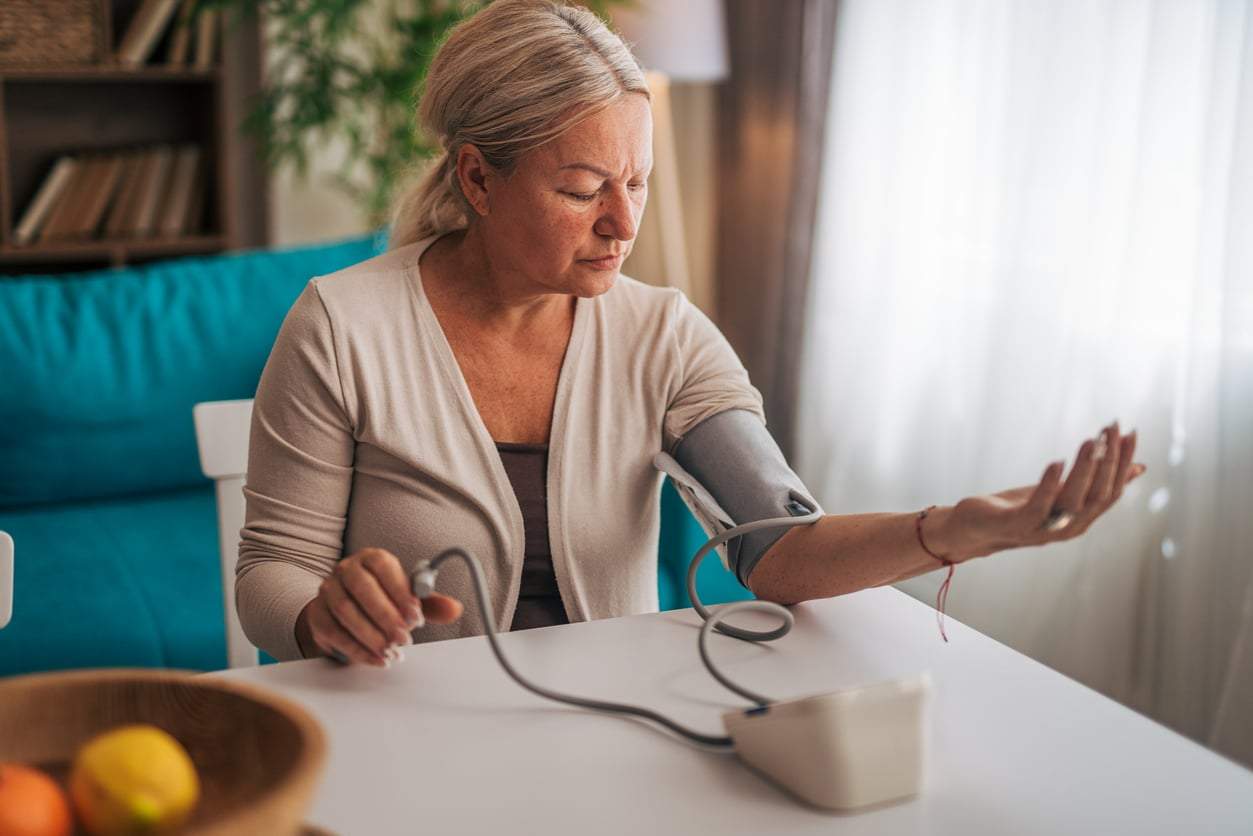
If your lab results show persistently elevated levels, or if cardiovascular disease runs in your family, lifestyle changes alone may not be enough — regular medical check-ins become essential. Your primary care physician or a specialist is best placed to judge whether the steps you're taking are sufficient, or whether further testing or medication is warranted.
Natural approaches are genuinely powerful. But they work best as part of a plan that includes professional guidance, not instead of it.
Can you really lower cholesterol without medication?
Yes — for many people, meaningful improvements are possible through diet, exercise, and lifestyle changes alone. However, the effectiveness depends on your starting levels and genetic factors, which is why medical oversight is important.
How long does it take to see results from lifestyle changes?
Dietary changes can begin to show an effect within a few weeks, while exercise and weight management improvements may take a few months to reflect clearly in lab results. Consistency is what drives lasting change.
Is all cholesterol bad for you?
No. The body needs cholesterol to function — the issue is the ratio and balance between different types. Your doctor can help you understand what your specific numbers mean for your health.
Does stress actually affect cholesterol levels?
Chronic stress can disrupt metabolic processes and may indirectly contribute to less favorable cholesterol values. Managing daily stress — through sleep, rest, and relaxation — is a meaningful part of the overall picture.
What foods should I avoid most when trying to lower cholesterol?
Trans fats found in industrial baked goods and fast food, along with excessive amounts of saturated fat from red and processed meats, are the most important categories to reduce. Small, consistent changes over time add up significantly.