We spend a fortune chasing longevity — special diets, pricey supplements, punishing workout plans. But in a handful of places around the world, people live remarkably long, healthy lives without doing any of that. They just live differently.
These places are called blue zones: communities where an unusual number of people reach old age in genuinely good health. Among them are Okinawa in Japan, Sardinia in Italy, and Ikaria in Greece.
What's striking is that there's nothing extreme about how they live. Daily movement, eating in moderation, plant-based meals, close relationships, and a real sense of purpose are simply woven into ordinary life. These habits don't transform your health overnight — but over time, they can build the kind of foundation that supports healthy aging. So I decided to try them for a month.
The movement that isn't exercise
People in blue zones don't hit the gym, yet they move all day long. They garden, they walk, they take the stairs, they crouch and squat instead of sitting. So I started deliberately building movement into my routine instead of carving out a separate block of time to "work out."
Now I take the stairs instead of the elevator, I walk to the nearby shop, and I take phone calls standing up or pacing around. Nothing sweaty, nothing dramatic — yet according to my watch, I'm racking up far more steps a day than I used to.
The 80 percent rule
In Okinawa there's a saying — hara hachi bu — which roughly means: eat until you're about 80 percent full, and stop before you're stuffed. This was the hardest habit for me. In many food cultures, going back for seconds is practically expected, especially around a big Sunday family lunch.
So I started eating more slowly on purpose — putting the fork down between bites, waiting until I actually felt satisfied instead of eating more just because there was still food on the table. Surprisingly, I never felt deprived. I just got up from the table with less bloating and heaviness.
I realized that my whole life I'd been taught the empty plate was the goal — when really, I should have been listening to my body's signals.
More plants, less meat on the plate
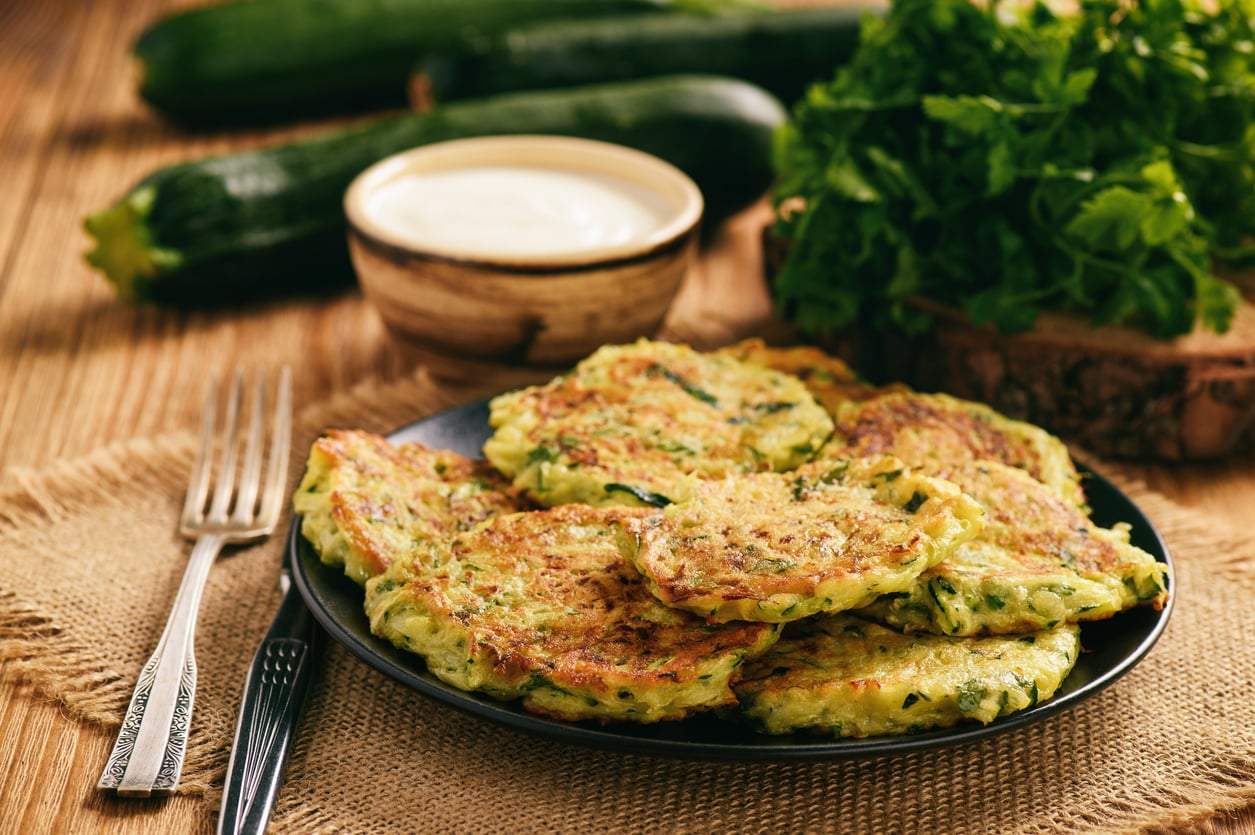
The blue zone diet is largely plant-based: beans, whole grains, vegetables, olive oil — with meat showing up only occasionally, on special occasions. I didn't turn vegetarian, but for most of the week I swapped meat for beans, lentils, and chickpeas.
I now cook bulgur or barley more often than pasta, and the backbone of my weekly shopping list has shifted from the meat counter to the produce aisle. If you're curious about small dietary shifts that add up, this is one of the easiest places to start.
The relationships I finally made time for
One of the most powerful things I read about blue zone communities is how closely connected people are in daily life. Family, neighbors, and friends are a real source of support — not just the occasional message in a group chat.
So I started calling my grandmother every week instead of just texting, and now my sister and I sit down for a coffee every Sunday with our phones off the table. This habit cost me absolutely nothing, yet it gave me the biggest emotional payoff of the entire month.
The sense of purpose that got me out of bed
In Okinawa they call it ikigai — roughly, the reason you get up in the morning. I'm not talking about some grand life mission, but a small, concrete thing that makes it worth opening your eyes.
For me, that became writing for ten minutes every morning, before anything else in the day begins. Those ten minutes give me the feeling that my day isn't just about obligations — that it starts with something that's mine.
Some habits I dropped along the way — like the cold morning shower, which stayed more of a Sardinian legend than a real part of my routine. But these five or six habits have become such a natural part of my days that sometimes I forget where the whole thing even started.
What exactly is a blue zone?
Blue zones are communities where an unusually high number of people live to old age in good health, such as Okinawa in Japan, Sardinia in Italy, and Ikaria in Greece.
Do I need to overhaul my whole life to try these habits?
No. As I found, the changes are small and gradual — taking the stairs, eating a little more slowly, adding more plants, and making time for the people close to you.
What does "hara hachi bu" mean?
It's an Okinawan saying that roughly means eating until you're about 80 percent full and stopping before you're stuffed, rather than aiming for a completely empty plate.
Which habit made the biggest difference?
For me, it was investing in close relationships — calling my grandmother weekly and having phone-free coffees with my sister. It cost nothing and gave the biggest emotional payoff of the month.