They've been sitting on health food store shelves for years, yet most people still aren't quite sure what to do with them. Chia seeds deserve more than a passing trend — and once you understand what they actually do for your body, you'll want to make them a daily habit.
What's actually inside a chia seed?
Chia seeds come from Salvia hispanica, a plant originally cultivated in Central America. Don't let their small size fool you — these tiny seeds are genuinely dense with nutrients.
Each serving contains significant amounts of soluble fiber, which forms a gel-like texture when it absorbs liquid. Beyond that, chia seeds provide omega-3 fatty acids, plant-based protein, calcium, magnesium, and iron — making them one of the easiest ways to quietly upgrade your everyday diet without overhauling what you eat.
Why it's worth eating them regularly
The standout benefit of chia seeds is their fiber content. Fiber supports healthy digestion and — crucially for anyone trying to eat less or manage their weight — helps you feel fuller for longer after meals.
The omega-3 fatty acids in chia seeds can support normal cardiovascular function, while the mineral content contributes to bone and muscle health. That said, it's important to be realistic: chia seeds are a nutritious addition to a balanced diet, not a cure-all. They won't solve health problems on their own, and if you have specific concerns, always talk to your doctor or a registered dietitian.
How to eat them the right way
The most important tip: soak chia seeds in liquid before eating them. This is when they work best — the gel they form is easier to digest and more beneficial than eating them dry. Here are four simple ways to work them into your routine:
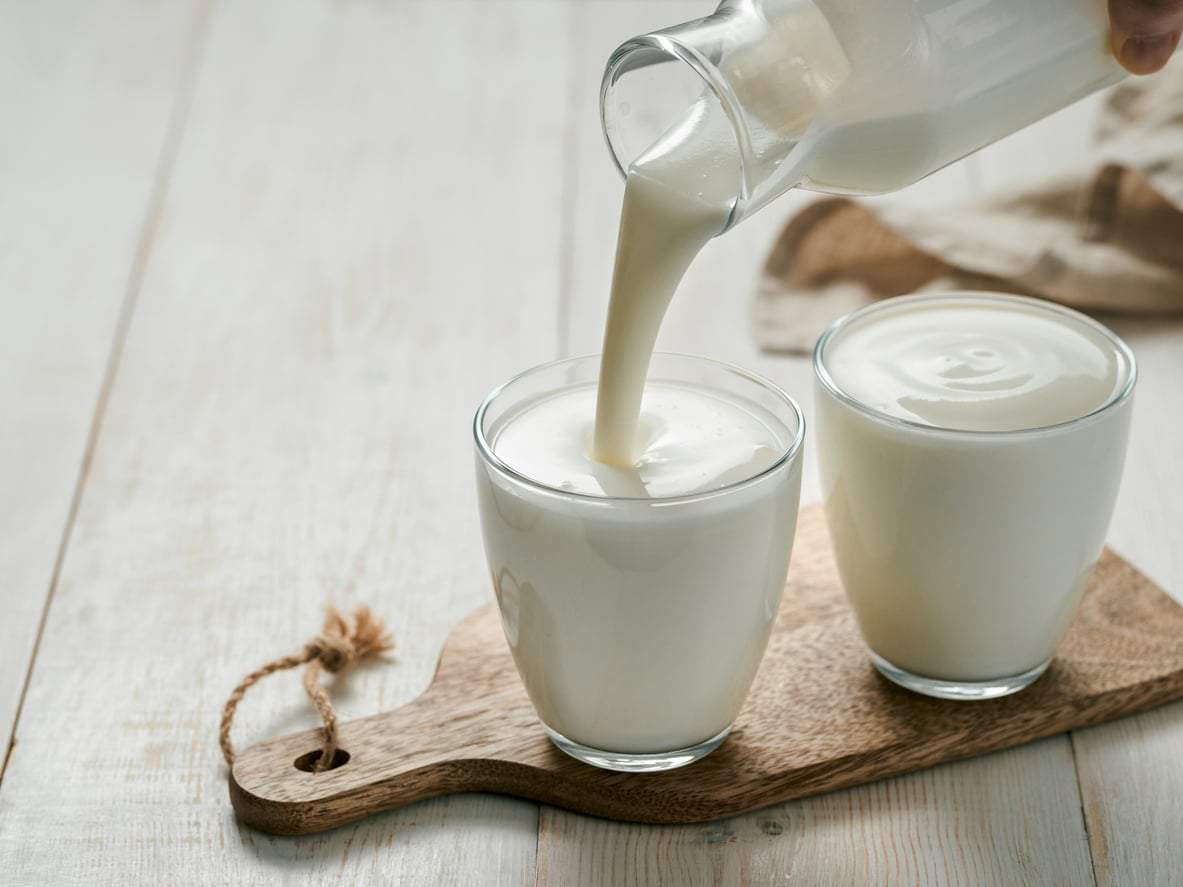
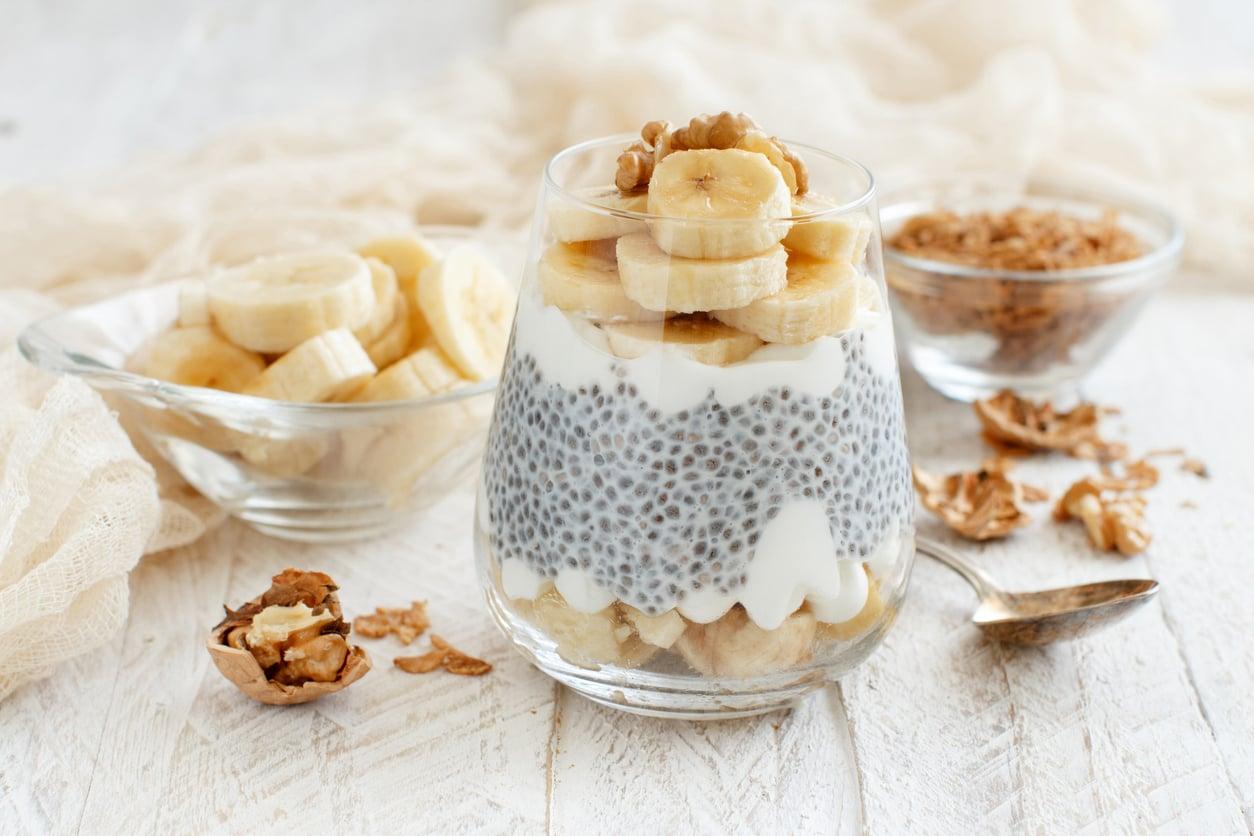
- Chia pudding: Stir two tablespoons of seeds into a glass of milk or a plant-based alternative. Leave it in the fridge for at least an hour — or overnight for a thicker, creamier result.
- Smoothies: Mix a tablespoon into your blended fruit or veggie drink before or after blending. It adds a slightly creamier texture without changing the flavor.
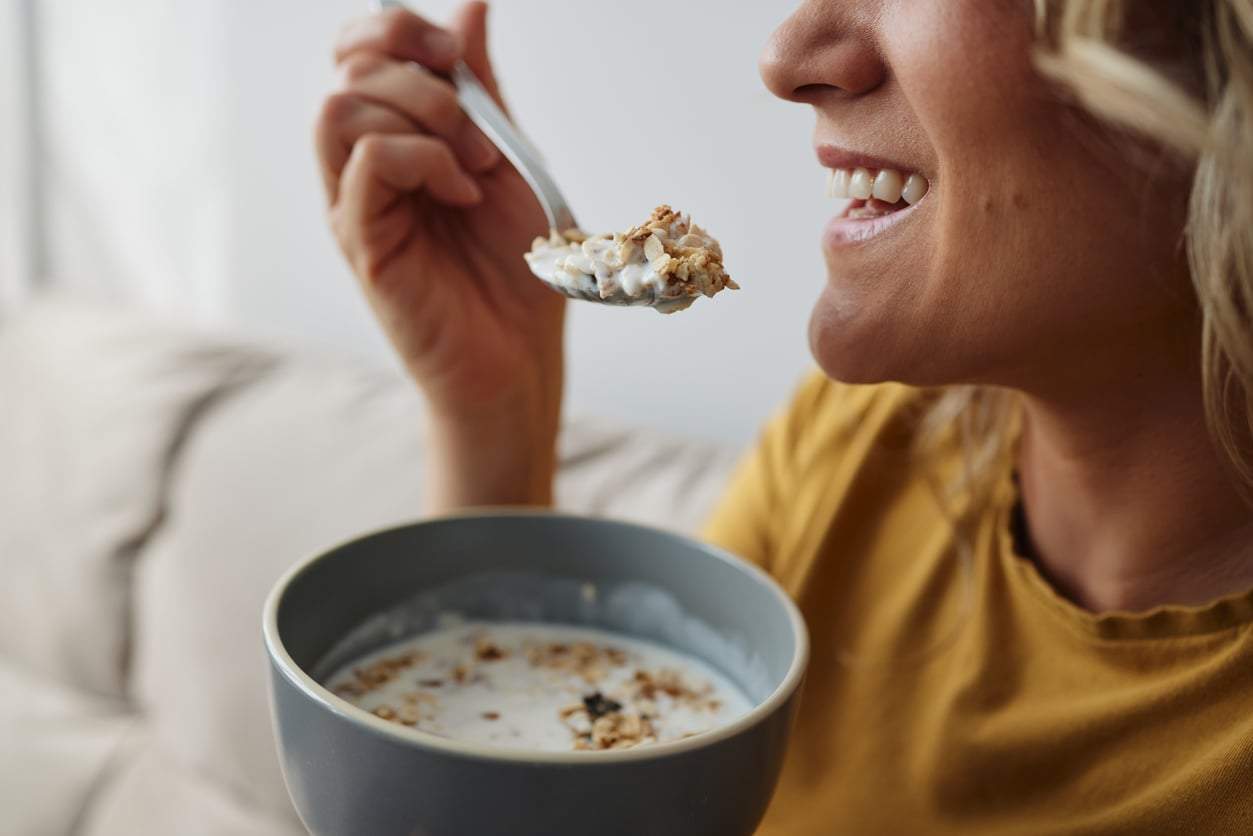
- Yogurt or granola: Sprinkle them into your morning yogurt or cereal and let them sit for a few minutes. They soften quickly and add a satisfying chew.
- Baking: Added dry to dough for bread, muffins, or cookies, chia seeds stay slightly crunchy and work as a subtle texture boost.
Adding just one to two tablespoons of chia seeds a day can make a noticeable difference to your fiber intake — but increase the amount gradually so your digestive system has time to adjust.
A few things to keep in mind
Chia seeds can absorb many times their weight in water, so it's essential to drink plenty of fluids when eating them. If you swallow a large amount dry, they can swell in your throat or stomach and cause discomfort — always soak them first or make sure you're drinking enough alongside them.
If you take blood-thinning medication or have a digestive condition, check with your doctor before making chia seeds a daily habit. Their fiber and omega-3 content can interact with certain treatments and may affect how well some medications work.
Storage and quality
Store chia seeds in an airtight container in a cool, dry place and they'll stay fresh for months. If you've already soaked them, keep them in the fridge — they'll last a few days, which makes it easy to prep a whole week's worth of chia pudding in one go.
The best thing about chia seeds is how little effort they require. A spoonful stirred into your morning yogurt or a glass of water is genuinely enough to make your daily diet a little more nutritious — no complicated recipes needed.
Are chia seeds actually worth the hype?
Yes — with realistic expectations. They're genuinely rich in fiber, omega-3s, and minerals, which makes them a useful everyday addition to your diet. They're not a miracle food, but few ingredients are this nutritious and this easy to use.
How much should I eat per day?
One to two tablespoons a day is a good starting point. Start small and increase gradually so your digestive system can adapt comfortably.
Do I have to soak them, or can I eat them dry?
Soaking is strongly recommended. Dry chia seeds can swell in your throat or stomach and cause discomfort. Soaking them first — even for just a few minutes — makes them easier to digest and more effective.
Can anyone eat chia seeds?
Most people can, but if you take blood-thinning medication or have a digestive condition, it's worth checking with your doctor first. Their fiber and omega-3 content can influence how certain treatments work.