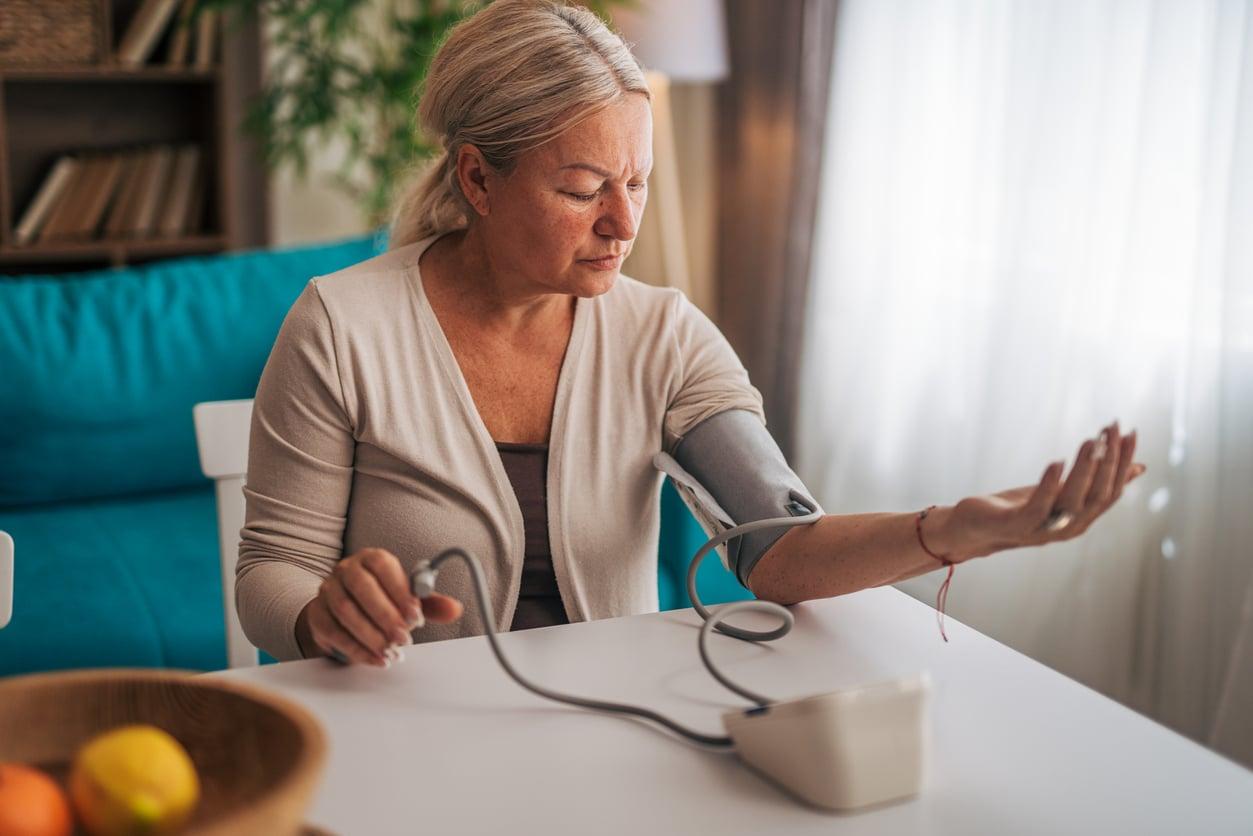
High blood pressure rarely announces itself. There's no pain, no obvious warning — just a number on a monitor that's higher than it should be. And that quiet nature is exactly what makes it so easy to ignore.
But the way you eat, move, and rest every single day carries real weight. Over time, those small choices can help nudge that number back toward a healthier range — no drama required.
What to know about your diet
Cutting back on salt is one of the most tangible steps you can take. Sodium tends to hold water in the body, and that extra fluid puts added pressure on your artery walls.
You don't have to give up salt completely. It's usually enough to reach for processed foods, ready-made sauces, and salty snacks less often — and to lean on fresh herbs, lemon, and garlic for flavor instead.
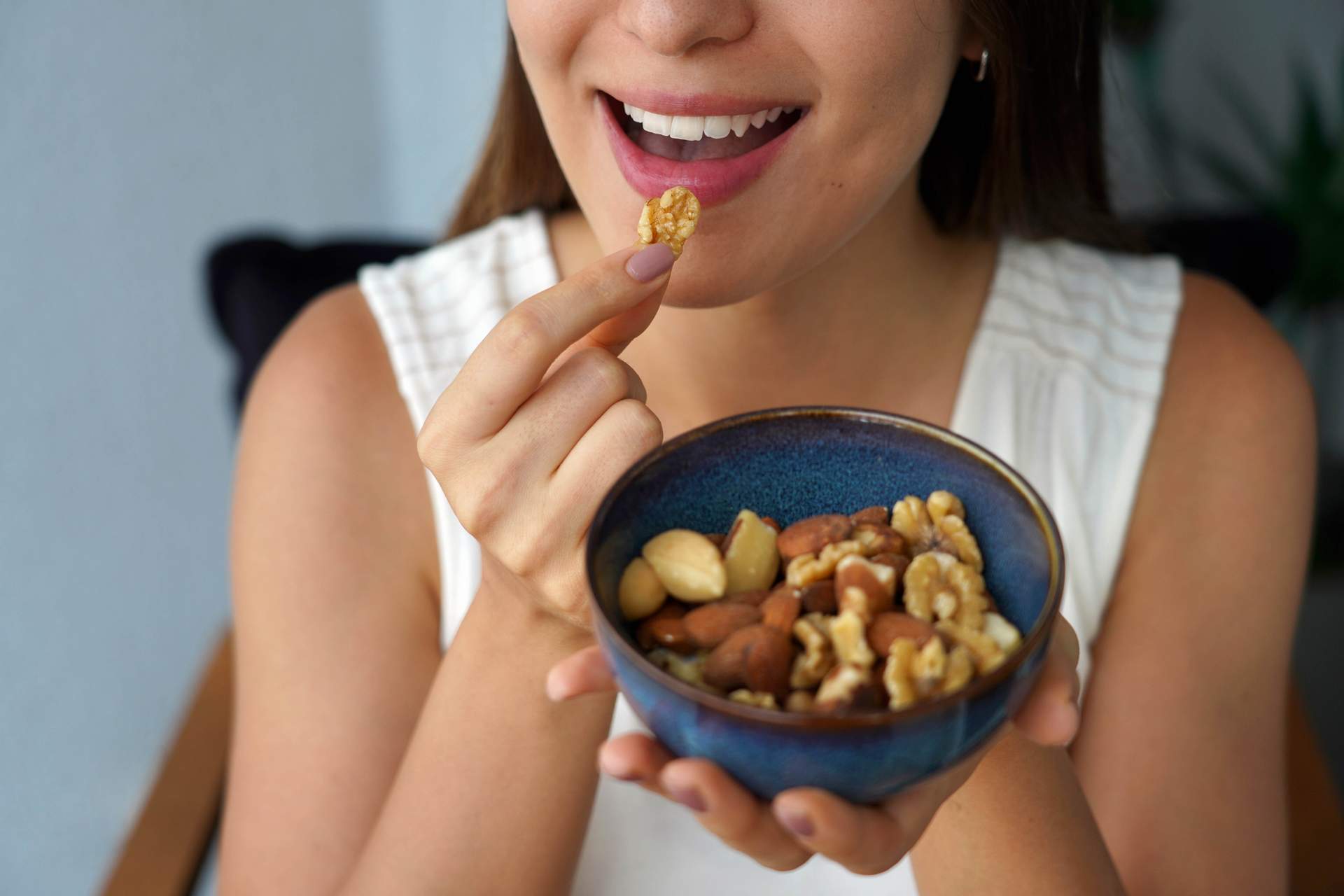
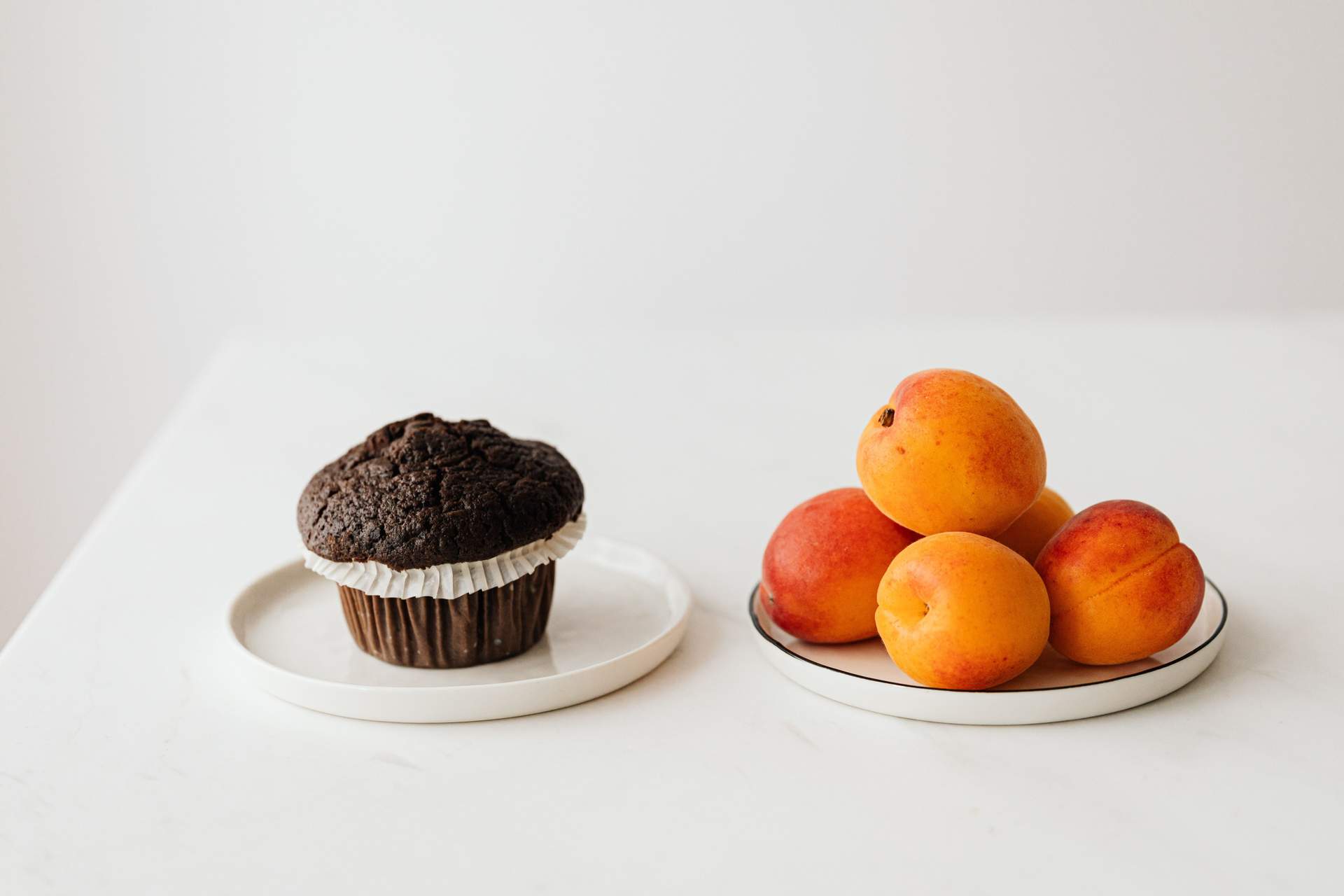
- More vegetables and fruit, especially potassium-rich options like bananas, spinach, and avocado
- Whole grains instead of refined flour
- Fish, legumes, and olive oil in place of saturated fats
- Less processed meat, cold cuts, and canned goods
- Coffee and alcohol in moderation
If this sounds familiar, that's because it closely mirrors the Mediterranean diet — an eating style long recommended for protecting heart and blood vessel health.
The kind of movement that actually helps
You don't need to train for a marathon. Regular, moderate movement — a brisk walk, a bike ride, a swim — of around thirty minutes can already make a noticeable difference, as long as you repeat it a few times a week.
The key is consistency, not intensity: a longer evening walk is often more effective than an exhausting workout you only manage once in a while.
Try weaving it into ordinary moments: stairs instead of the elevator, a few stops on foot instead of the car, short stretch breaks during the workday. Each choice is tiny, but they add up.
Stress management you can actually stick to
Chronic stress and blood pressure are closely linked, even if it's hard to measure that connection in everyday life.
What can help: a few minutes of deep breathing in the morning or evening, a walk in the fresh air, a hobby that genuinely absorbs and unwinds you. Many people find that breath-focused practices — like yoga, or a simple four-second inhale and four-second exhale — feel noticeably calming within just a few weeks.
Home remedies people often turn to
These won't replace medical treatment, but a few simple habits can complement your daily routine:
- Eating garlic regularly, even raw on a slice of bread
- Beetroot juice, which many people drink in the morning for its nitrate content
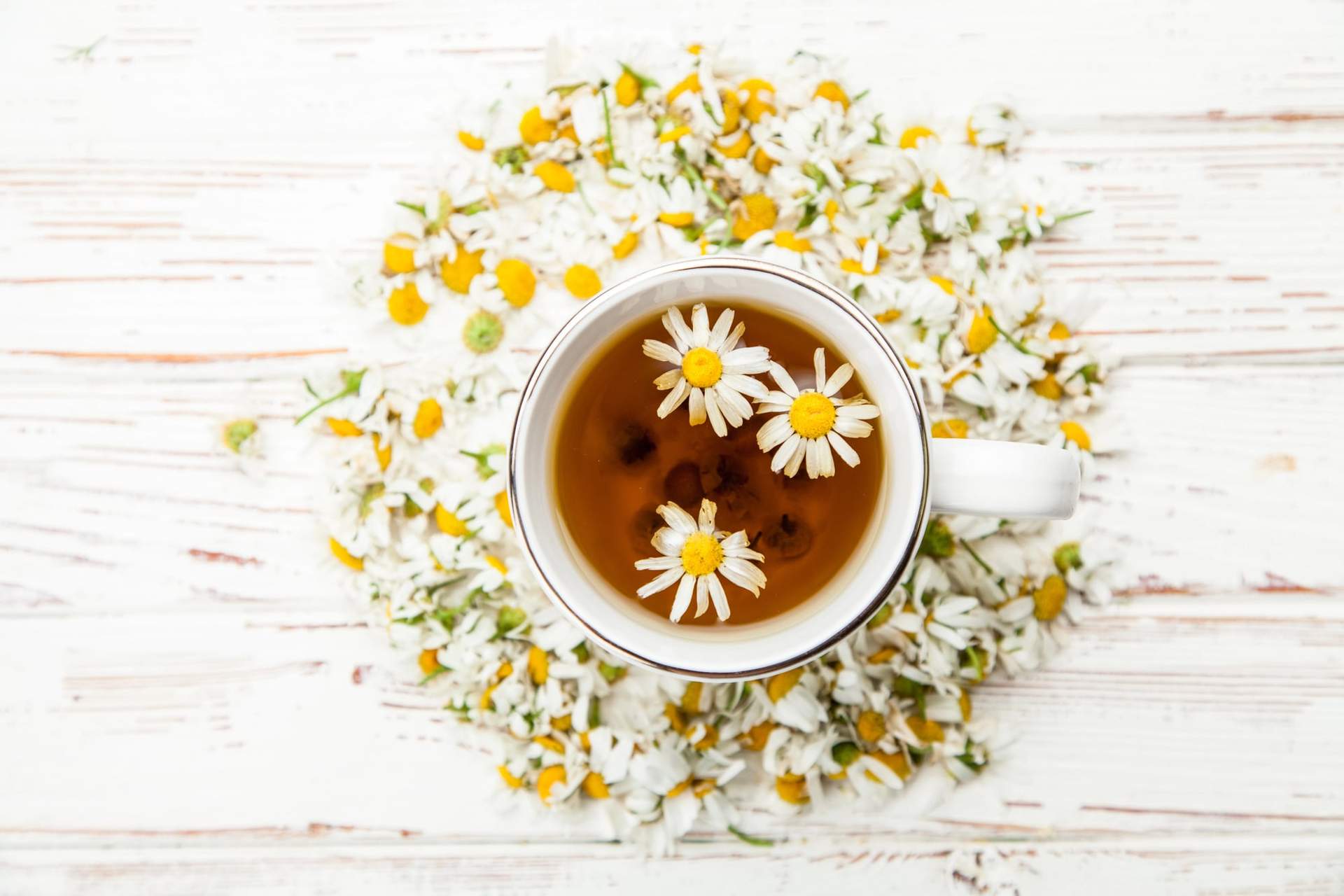
- Hibiscus tea, enjoyed either warm or chilled
- Plenty of fluids, so your body doesn't hold on to excess water
The trick is to introduce these gradually over the long term, experiment a little, and pay attention to how your body responds.
The role of sleep — the part we talk about less
Too little or poor-quality sleep strains your nervous system, which over time affects your blood pressure too.
Going to bed at roughly the same time each night, keeping the bedroom dark and quiet, and putting screens away for the half hour before sleep are small steps — but they matter more than you'd think.
If you've been trying these changes for weeks and your blood pressure still isn't moving in the right direction, it's worth seeing a doctor. Lifestyle habits support proper care — but they don't replace it.
Can lifestyle changes lower blood pressure on their own?
They can make a real difference over time, especially through diet, movement, stress management, and better sleep. Still, they complement medical care rather than replace it — so keep your doctor in the loop.
Which foods are best for high blood pressure?
Aim for potassium-rich fruit and vegetables like bananas, spinach, and avocado, plus whole grains, fish, legumes, and olive oil. Cutting back on salt and processed foods helps too.
How much exercise is enough?
Around thirty minutes of moderate movement — a brisk walk, cycling, or swimming — repeated several times a week can already bring noticeable change. Consistency matters more than intensity.
Do home remedies like garlic or beetroot juice really work?
Many people turn to garlic, beetroot juice, and hibiscus tea as supportive habits, but they don't replace medical treatment. Introduce them gradually and notice how your body reacts.
When should I see a doctor?
If you've tried these changes for several weeks and your blood pressure still won't budge, it's time to seek professional advice. Lifestyle steps support but don't substitute proper medical checks.