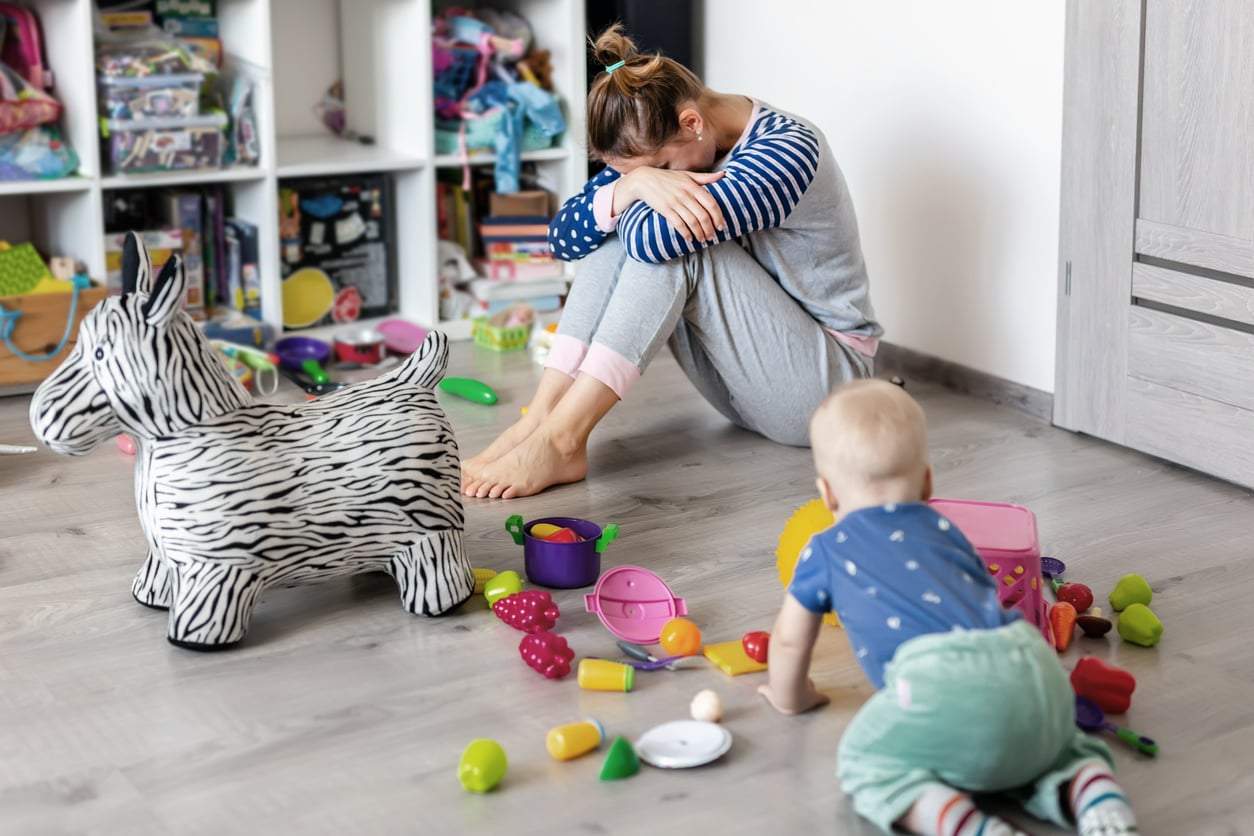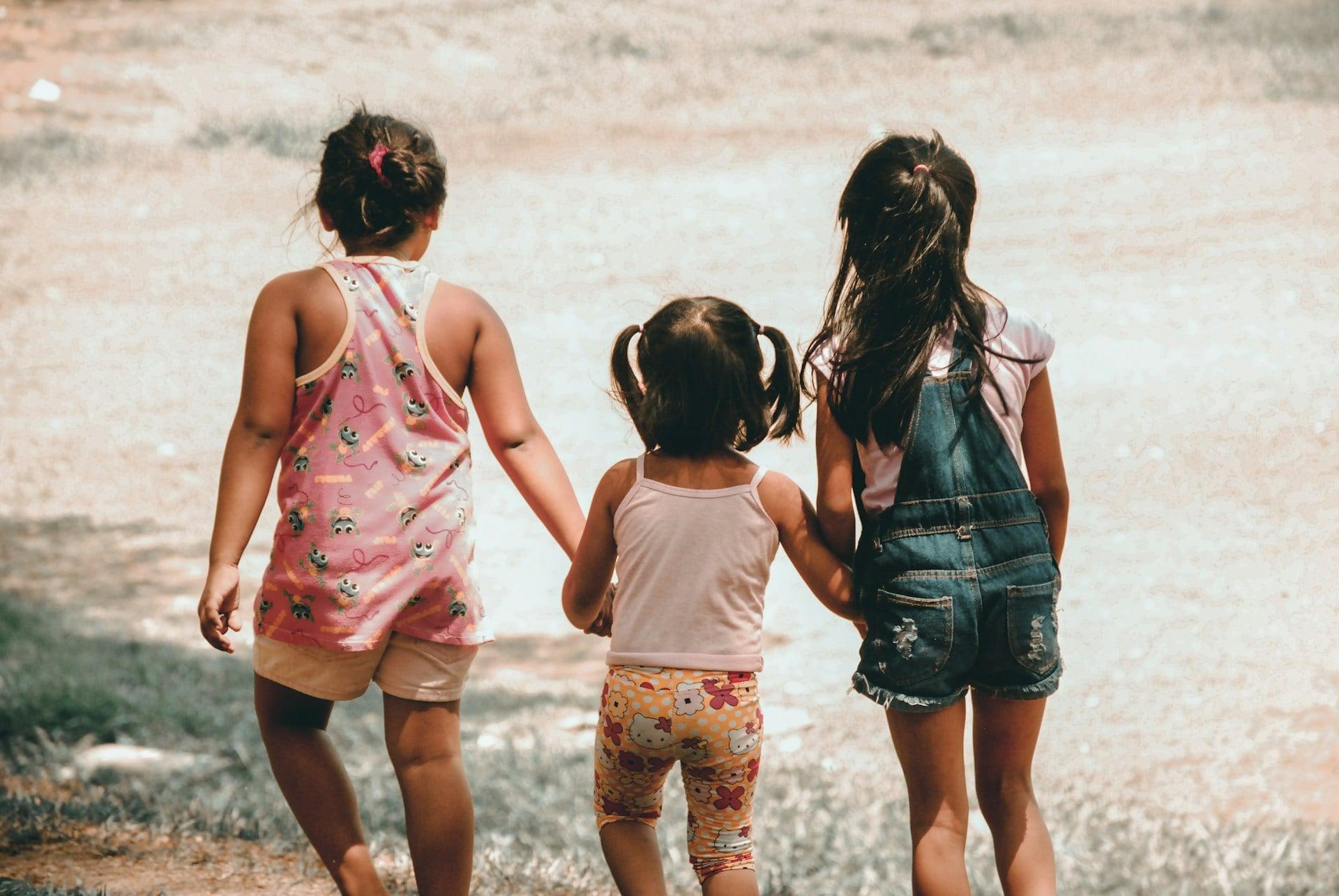
The same scene plays out at every family dinner. Someone knocks over a glass, and before a single word is spoken, every pair of eyes turns straight to you. You didn't break it — but somehow your mother's voice snaps first: "You again?" Sound familiar?
If it does, it's probably no accident that you ended up with the family's invisible scapegoat role. And it has a surprising amount to do with which child you were when you arrived.
Psychologists have long studied how birth order shapes personality and the roles we play at home. It's no coincidence that responsibility, criticism and the "you always mess things up" feeling stick more easily to one child, while another sibling stays practically untouchable for the exact same mistakes.
The firstborn who always acts like an adult
The oldest child often learns early that they're supposed to set an example. Parents unconsciously hold them to a stricter standard, because the firstborn is the one through whom the family experiences every challenge of parenting for the first time.
When something goes wrong at home, the firstborn is usually questioned first — after all, "you're older, you should have known better." This invisible weight often lasts a lifetime. As an adult, they become the one who takes responsibility for everything, even when the fault was never theirs.
If this pattern feels close to home, you might recognize yourself in the deeper pressures of being an eldest daughter.
The middle child stuck in between
The middle sibling's position is especially interesting. Not the oldest, held up as the example. Not the youngest, who needs protecting. So it's easy to feel like no one is really paying attention.
Out of that invisibility comes a strange effect: when the middle child finally does get some attention, it often arrives in a negative form. They frequently become the family scapegoat simply because they have the smallest voice in the family's stories — the one whose version of events is asked for least.
The youngest, whom everyone protects
The youngest sibling's experience is completely different in many families. Even as an adult, they're still "the little one," and that label offers a curious kind of protection.
When a mistake happens, it's easier to believe they didn't mean it — because in the family's eyes they're still the smallest, the most vulnerable member, long after they've grown up.
Why one sibling ends up as the scapegoat
Researchers who study family systems say every family strives for a kind of balance, and that balance often requires roles. There has to be a "good kid," a "responsible one" — and, sadly, often someone the tension can be pinned on.
This casting is rarely a conscious decision by parents. It's more of a familiar pattern that forms in childhood and lives on into adulthood — even when everyone has their own life in a separate household.
If you've ever felt that your siblings never got as much criticism as you did for the exact same behavior, it's worth looking at where you landed in the family lineup. Not to forgive your parents, or to resent them even more — but because sometimes it's enough to simply say it out loud: this role was never really about you. It was about how the family as a whole tried to manage its own tensions.
Family dinners will still unfold the same way, of course. Glasses will still slip off the table now and then. It's just that maybe, next time every eye turns to you, you'll already know — deep down — that it has nothing to do with whose hand happened to be closest to the glass.
Does birth order really affect who gets blamed in a family?
According to psychologists, your place in the sibling order can strongly influence the role you're assigned at home. Firstborns tend to carry responsibility, middle children can feel overlooked, and the youngest is often shielded from blame.
Why does the middle child so often become the scapegoat?
Middle children have the smallest voice in the family's stories and are asked for their version of events least often. That invisibility can mean the attention they do get tends to arrive in a negative form.
Why is the firstborn blamed first when something goes wrong?
Parents unconsciously hold the eldest to a stricter standard and expect them to set an example. So when something breaks down at home, the firstborn is usually questioned first because "they're older and should have known better."
Is the scapegoat role a deliberate choice by parents?
Rarely. It's usually an unconscious pattern that forms in childhood as the family seeks balance, and it can persist into adulthood even when everyone lives separately.