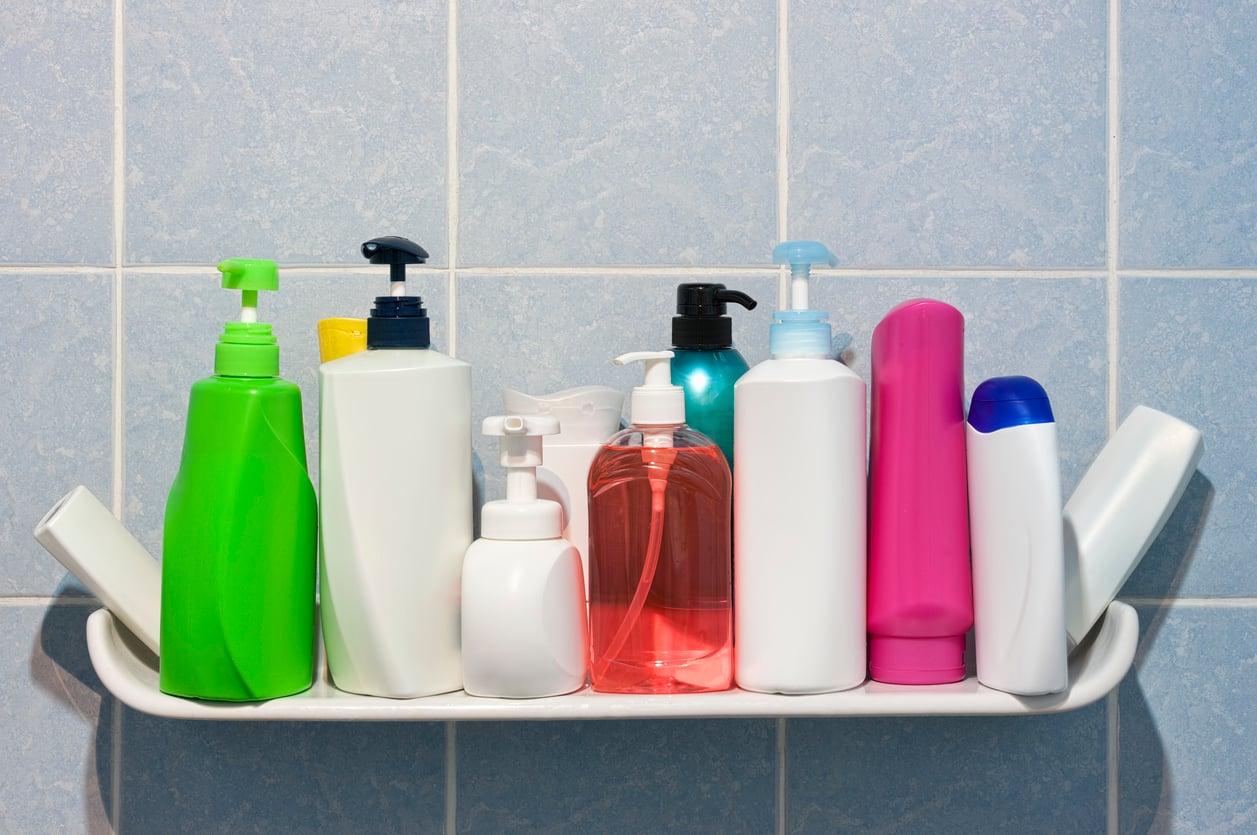
It's been sitting in the corner of the bathroom shelf for a month now. The pump only puffs air, and its box is gathering dust somewhere on top of the wardrobe. Yet it never makes it into the recycling bin.
If you know that feeling — the one where you simply can't bring yourself to throw out an empty perfume bottle, a beautiful shoebox, or a mug you haven't used in years — you're not strange, and clutter isn't really the problem. Something far more interesting is happening in your brain.
When an object stops being just an object
Psychology has a name for this: emotional accumulation. It's the mechanism where we attach such strong emotional meaning to an essentially useless object that letting go of it no longer feels like tidying up — it feels like a real loss.
Our brain doesn't clearly separate the object from the memory attached to it.
That empty perfume bottle isn't just glass. It holds the scent you wore on an important evening. And that box isn't cardboard — it's the imprint of the moment someone gave you a gift.
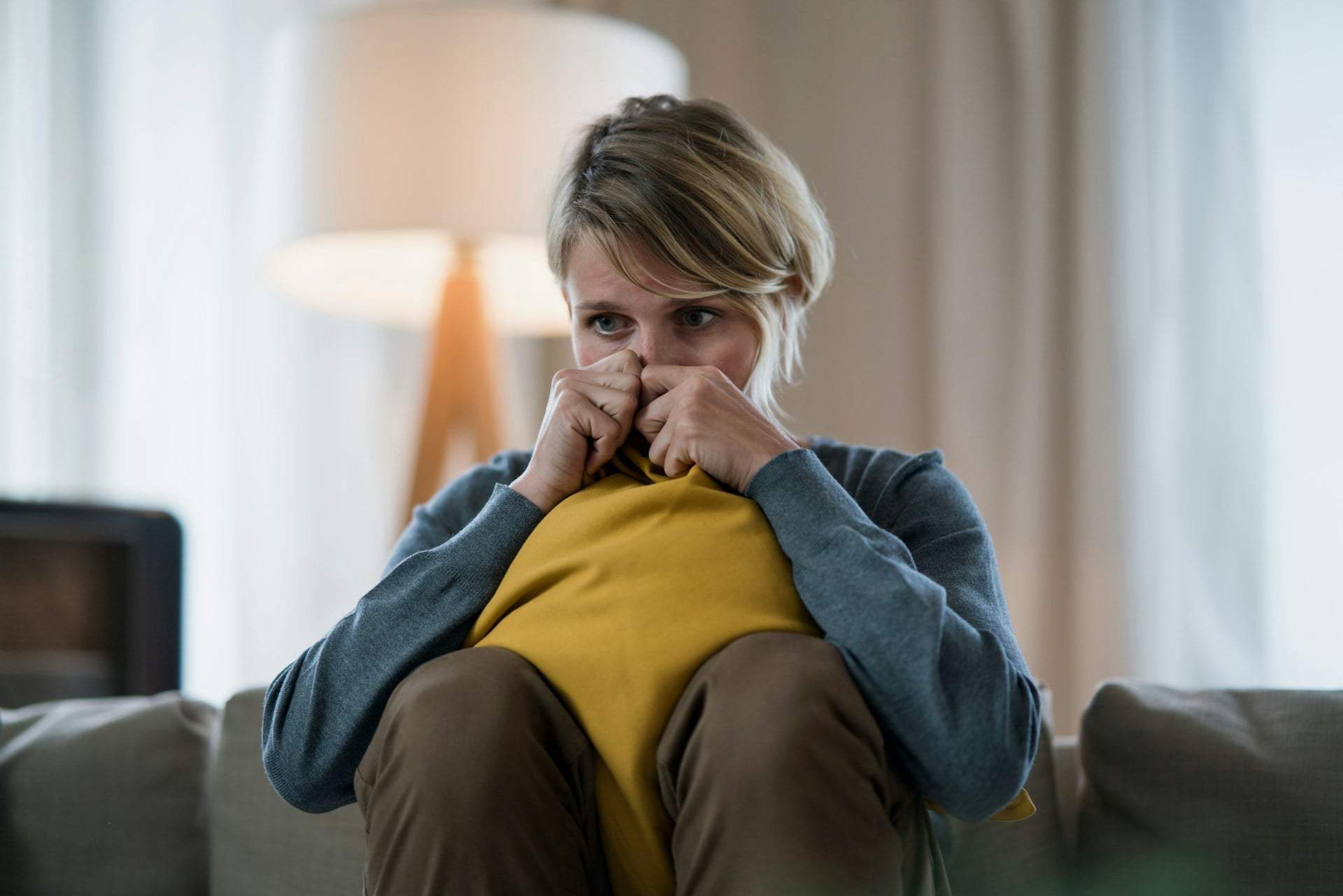
This kind of attachment exists, in a healthy dose, in almost everyone. The trouble starts when keeping the object is no longer a source of joy but a way to soothe anxiety — and when the thought of throwing it away triggers physical tension, guilt, or a sense of emptiness.
Why beautiful packaging is the most dangerous of all
It's no coincidence that designer boxes, glass perfume flacons, and quality paper bags tend to be the hardest things to part with. These objects are made from the start to delight you visually and to the touch: the shape, the weight, the color are all designed to make them feel valuable.
When an object like this comes into our possession, the brain stores not just its contents but the packaging itself as part of a positive experience. From that point on, throwing the box away feels like destroying the experience itself.
There's another very human instinct at play too: loss aversion. Our brain reacts far more strongly to a potential loss than to an equivalent gain. That's why parting with a pretty box can feel like losing something irreversibly — when in reality you're only reclaiming space in your cupboard.
The identity lined up on your shelf
The things we hold onto often aren't really about the past at all. They're about who we are, or who we'd like to be. An elegant bottle with a brand name on the shelf quietly tells us — and everyone else — that we're the kind of person who uses things like that.
The object becomes a carrier of identity, and letting go of it can feel like giving up a piece of ourselves — even when we rationally know that's an exaggeration.
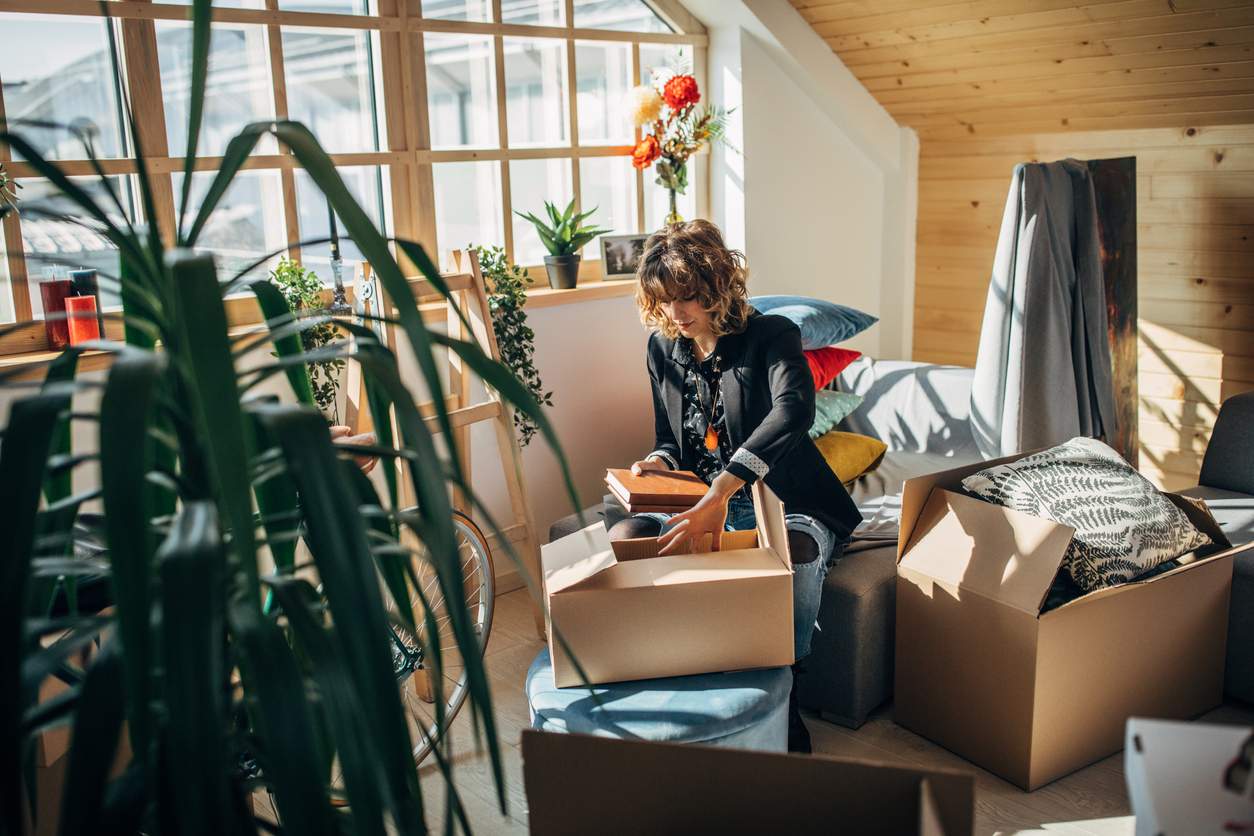
This kind of attachment can grow especially strong during uncertain times. In the middle of a move, a shift in a relationship, or upheaval at work, many people start hoarding small, seemingly insignificant items — as if they could offer stability in an otherwise shaky period.
Where the line runs between healthy and harmful
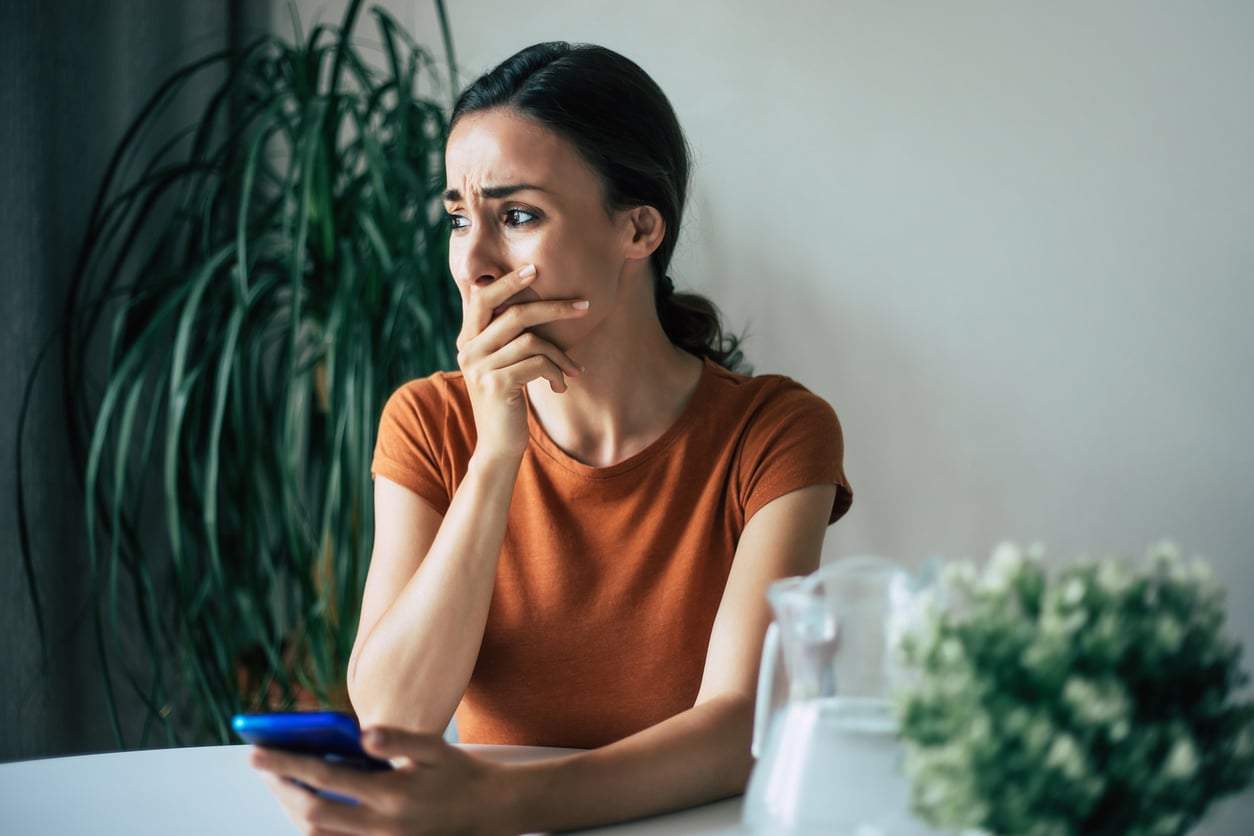
Keeping a few empty boxes or bottles is absolutely not a problem in itself — anchoring memories in something physical is a completely natural human need. The warning sign is when the quantity starts to feel uncontrollable, when objects take over your living space, or when even the thought that you might have to throw any of them out stirs up anxiety.
If the mere idea of letting go brings on physical tension, a racing heartbeat, or intense guilt, it's worth paying attention to that signal — because at that point it goes beyond simple nostalgia.
Is it normal to keep empty perfume bottles and boxes?
Yes. Holding onto a few meaningful objects is a natural way of anchoring memories in something physical, and almost everyone does it to some degree.
When does emotional accumulation become a problem?
The warning sign is when the amount becomes uncontrollable, objects take over your living space, or the thought of throwing anything away triggers real anxiety, tension, or guilt.
Why are pretty boxes and bottles the hardest to throw away?
They're designed to delight you visually and physically, so your brain stores the packaging itself as part of a positive experience. Discarding it can feel like destroying that experience.
Why do we hoard more during stressful times?
During moves, relationship changes, or work upheaval, small objects can feel like a source of stability, so many people start holding onto more of them when life feels uncertain.