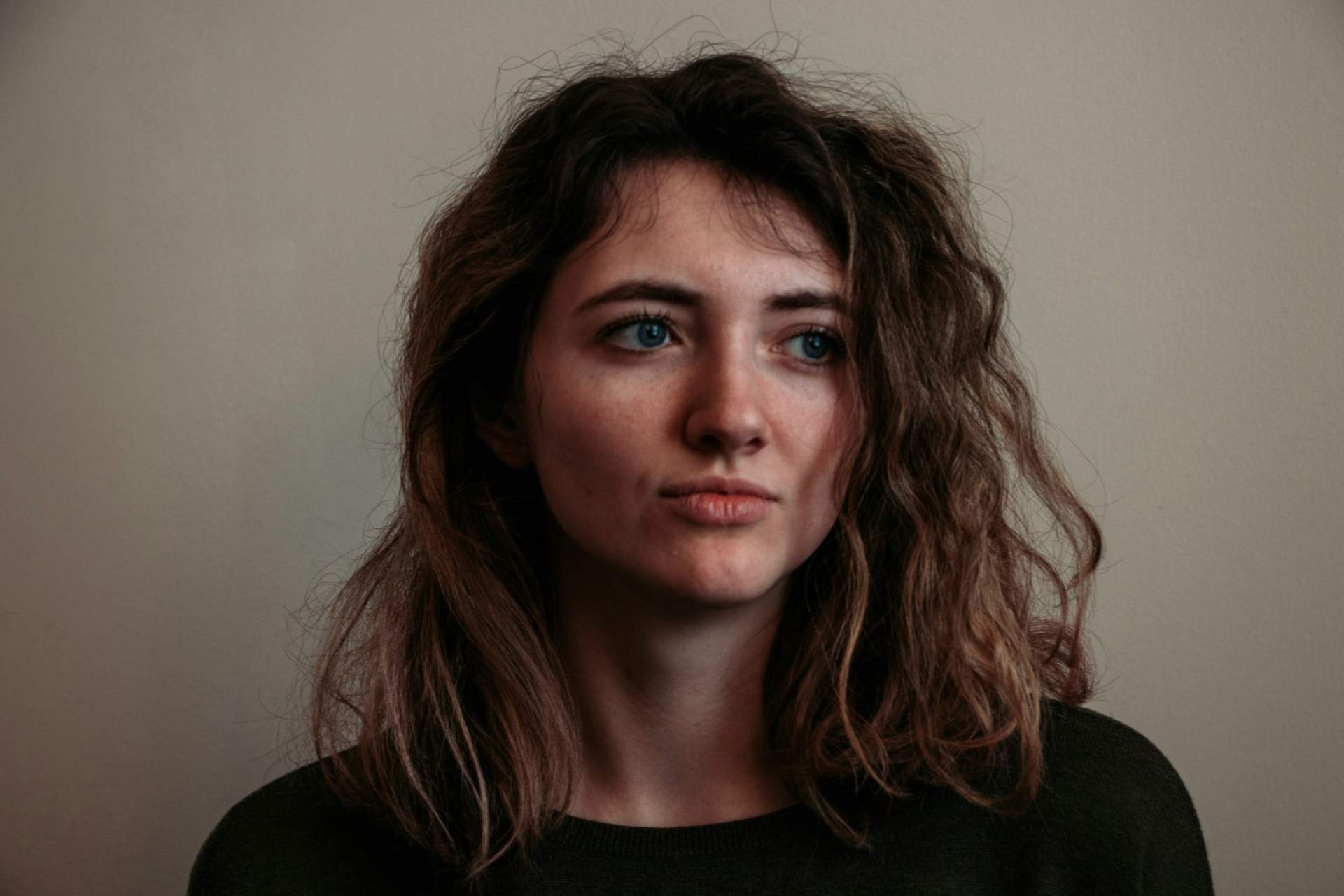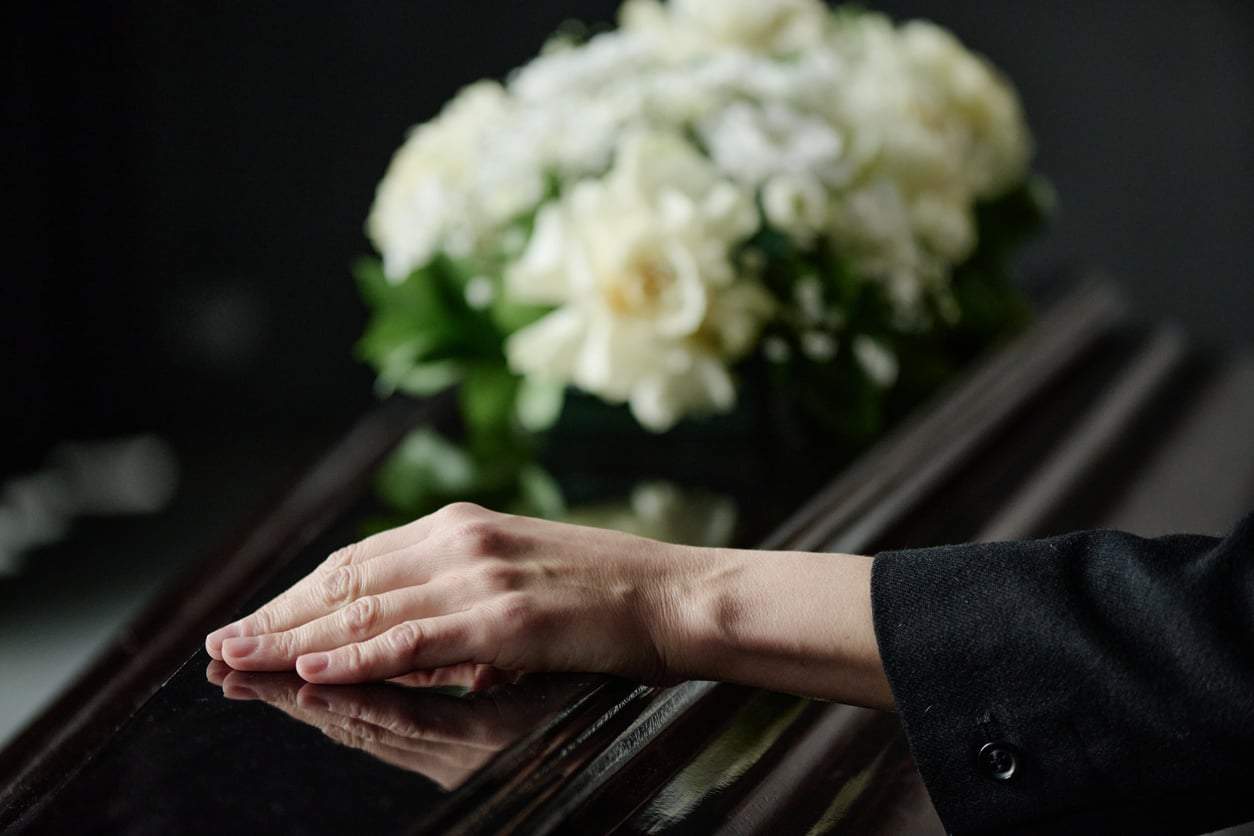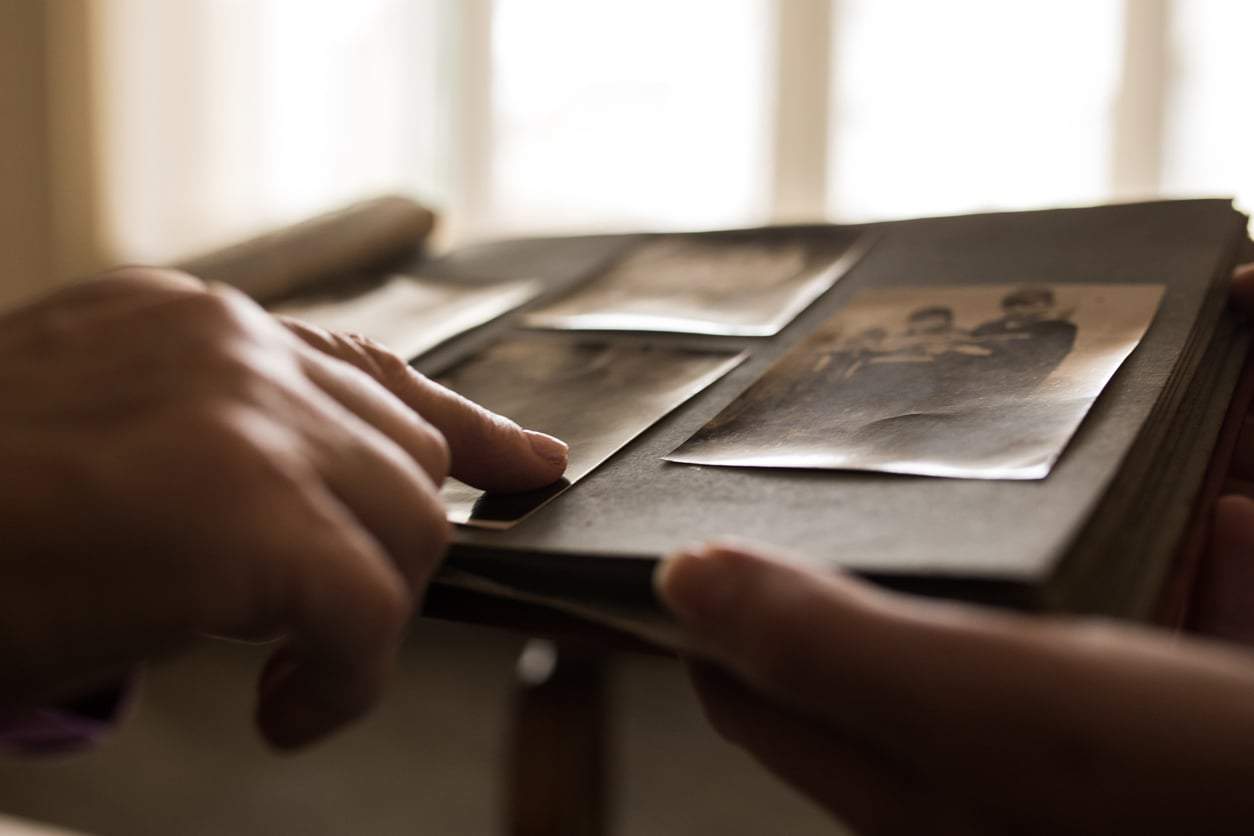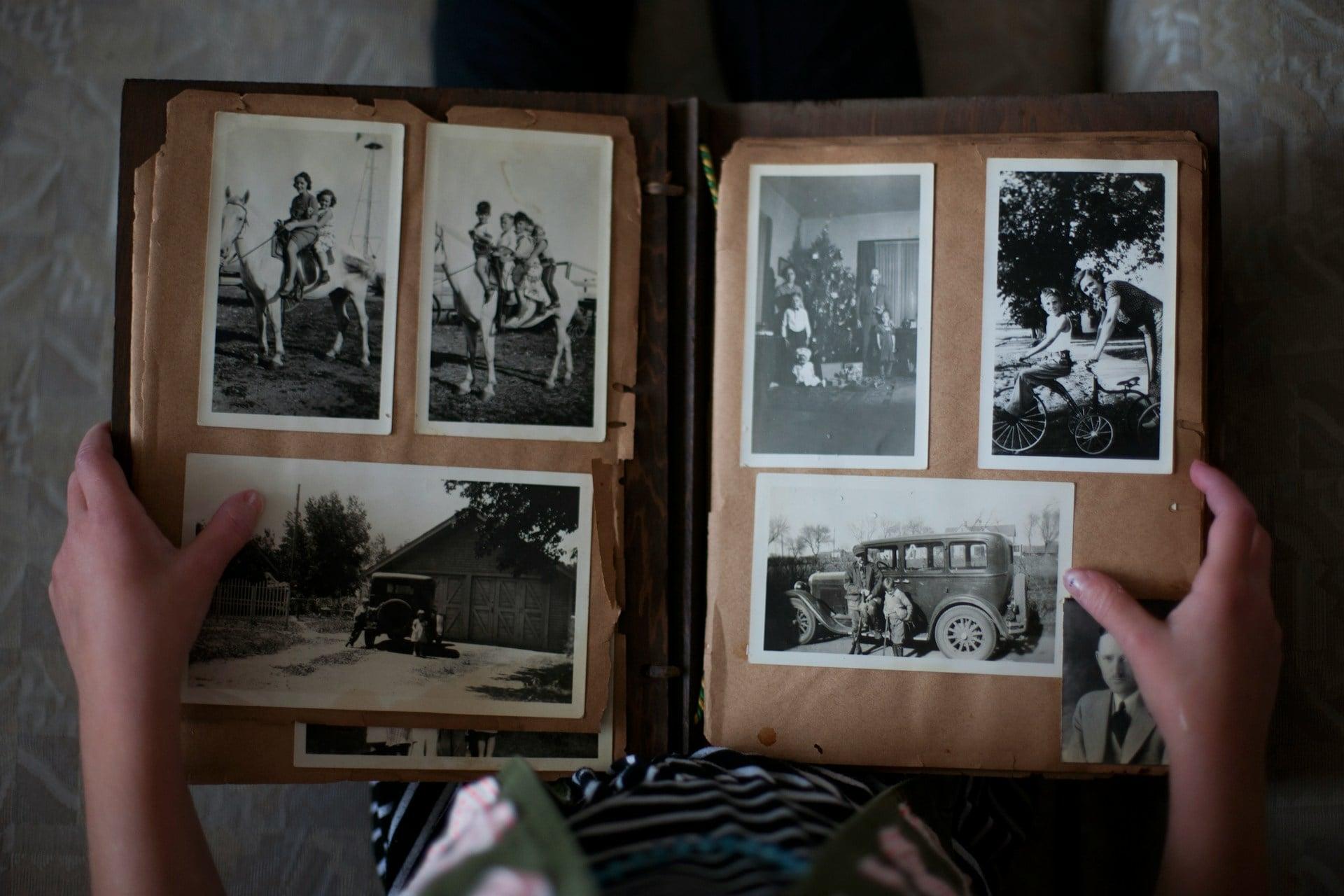
We were sitting in my grandmother's kitchen after the funeral, my mother and I, quietly working through her drawers, when we found the photograph at the bottom of an old box. Black and white, slightly worn at the edges, one corner bent. A young woman was holding a baby — and in that woman I recognized my mother, only thirty years younger than I'd ever seen her. Out of habit, I turned it over. My grandmother always wrote something on the back.
There it was, in faint blue ballpoint pen: "Erzsi and Tamás, spring 1974."
My mother's name is Elizabeth. That part made sense. But who was Tamás?
The photograph that changed everything
I asked my mother. She looked at the photo for a long moment, then set it down on the table as if it had burned her fingers. She said she didn't know — probably a neighbor's child, people were always coming and going back then. But something didn't sit right. The baby in the photo was wrapped in the exact same plaid blanket that appears in every early picture of me — the one I still know by heart because it lives in a box in the attic.
I couldn't let it go. For a week I carried the question around with me, until I finally went to the civil registry office. Somehow I knew that if I wanted the real answer, I wasn't going to find it at home.
The truth that took forty years to surface
A patient clerk helped me search, and when it became clear that I was looking for a sibling I hadn't known existed, she paused too — just for a second. Then she found an old entry: in 1974, a few months before I was born, my mother had given birth to a boy. He died at three months old, suddenly, from an illness.
For forty years I believed I was an only child. In reality, I had been carrying a grief my whole life without ever knowing it belonged to me.
When I came home and placed the document in front of my mother, she didn't cry. She just stared for a very long time at her own handwriting on an old entry form — one she must have dictated herself, all those years ago. Then she said, quietly, that things were done differently back then. You didn't talk about it. The doctor advised them to forget, to move on, to have another child as soon as possible. I was that other child.
A grief no one ever named
It was a strange thing to hear — that my own existence was so tightly woven into a loss that had never once been spoken aloud. I felt angry, in a way I hadn't expected: forty years of not knowing something so fundamental about my own family. And at the same time, I understood. My mother hadn't built a lie. She had built a survival strategy — the only one her parents and her era had given her.
I asked if the boy had a name. She said of course — Tamás. It was right there on the photograph. She also told me that for years she couldn't bring herself to look at that picture. She couldn't throw it away either. So she put it in a box, in a drawer, and left it there.
There's something quietly devastating about that — a photograph too painful to look at, too precious to lose. If you've ever wondered how family secrets survive for decades, that's how. Not through deliberate deception, but through small acts of self-protection that harden, over time, into silence.
A name that rewrote a life
It's strange how little it takes for the story of a life to shift completely. A small, faded inscription on the back of an old photograph — and suddenly I am not the same person who woke up that morning. I have an older brother I never got to know, one who has no gravestone in the family garden, only a name that my mother carried alone for four decades.
Now that I know, I sometimes go to the cemetery where my grandmother is buried and look for a very small, almost unmarked grave near the end of a row. I can't be certain it's him — the records don't give a precise location, only a general plot. But I stand there for a few minutes anyway. I don't always know who I'm talking to, exactly. It just feels important to show up.
My mother and I don't talk about it much. She still goes quiet when it comes up. And I notice that whenever I fill out a form that asks whether I have any siblings, I always pause before I answer.
Does childhood grief stay with us even if we don't know its source?
Many therapists and researchers who study family systems suggest that unspoken losses within a family can shape the emotional atmosphere children grow up in — even when the specific cause is never named. A parent carrying silent grief may be present in body but emotionally unavailable in ways that are hard to explain. Learning the hidden story doesn't undo that experience, but it can reframe it in a way that brings unexpected relief.
What is a "replacement child" in family psychology?
The term refers to a child born after the loss of another, sometimes consciously intended to ease that grief. It doesn't mean the child was unwanted — quite the opposite. But it can create subtle, unspoken pressures that neither the parent nor the child fully understands until something, like an old photograph, brings the hidden history to light.
How do you grieve someone you never knew?
There's no single answer, and grief counselors are careful not to prescribe a process. Some people find it meaningful to simply acknowledge the person's name and existence — as the writer does by visiting the cemetery. Others find it helpful to talk with a therapist who specializes in family trauma or intergenerational loss. The grief is real even when the relationship wasn't.
Is it common for families to keep the death of a baby secret?
Historically, yes — particularly in mid-twentieth century Western and Central European culture. Medical advice at the time often encouraged parents to move on quickly and not dwell on infant loss. Many families from that era carry similar silences, and adult children discovering them decades later is more common than people realize.