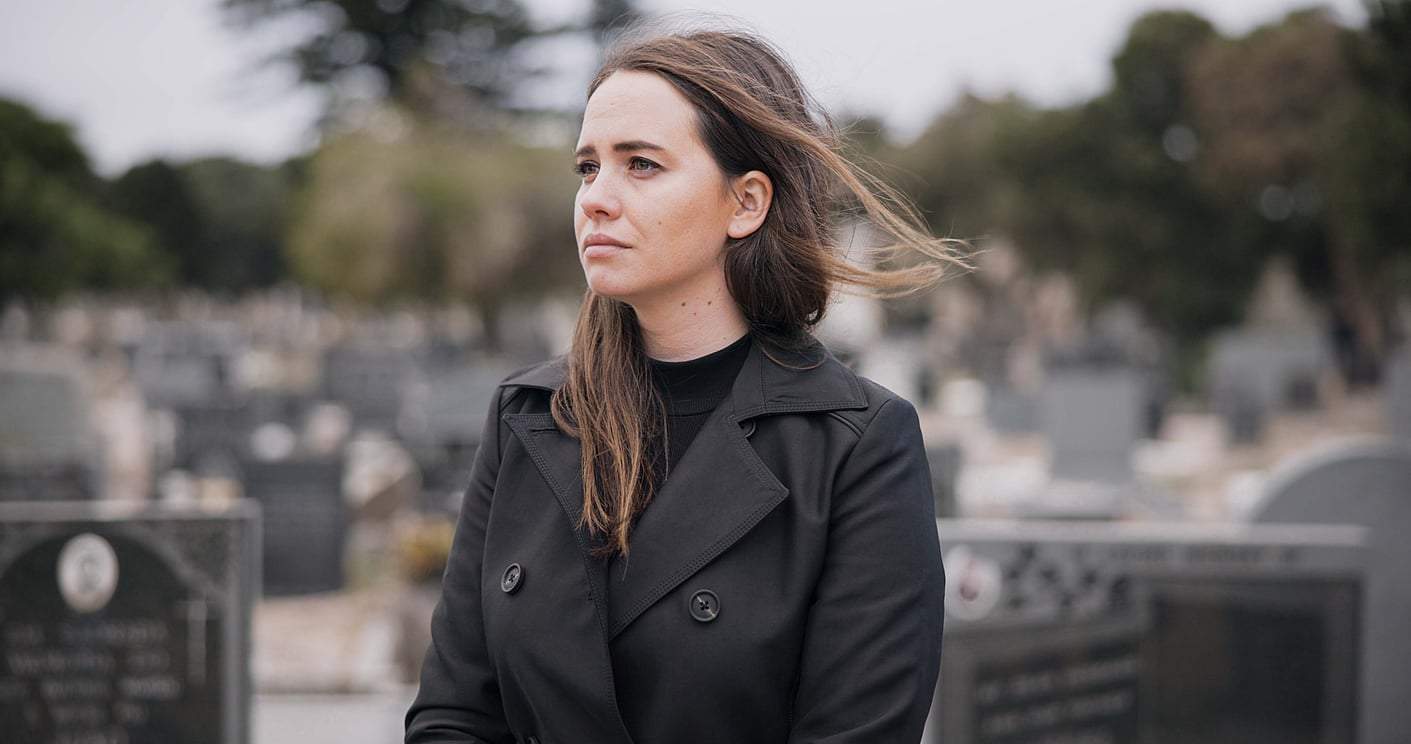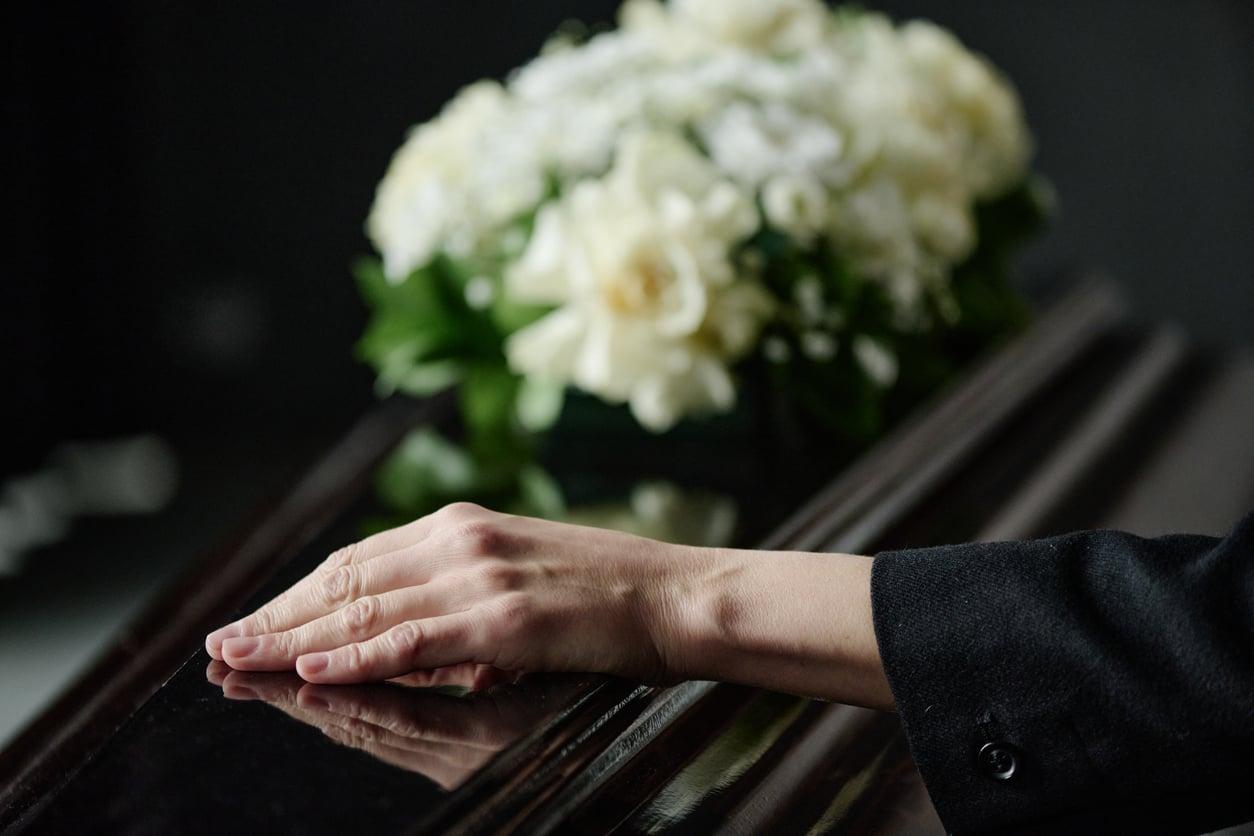
I was standing at the cemetery gate in a black coat, holding a single white chrysanthemum, when my mother looked up at me and asked if she knew me from somewhere. I thought I'd misheard her. My father's coffin hadn't even been lowered yet. The priest was still speaking. And the woman who raised me, who sat up through every childhood fever I ever had, was looking at me like a complete stranger.
My mother no longer knew who I was
We had known for two years that something was wrong. She forgot her keys, mixed up the days, and once asked me three times in a single phone call when I was coming home — while I was already sitting beside her in the living room. The doctor said the word no one wanted to hear. But while my father was alive, the system somehow held together. He was always there next to her, holding her hand, reminding her who was who.
When my father had a heart attack on an ordinary Tuesday afternoon in the garden and died in the hospital two days later, it was as though the last solid ground had been pulled out from under her.
At the funeral, my sister held my mother's arm while I stood near the coffin, trying not to fall apart. When my mother came over and asked if she recognized me from somewhere, I told myself the grief was just confusing her. But then she said a name. Not my name. A name I had never once heard in our family.
A secret they kept for decades
At the gathering after the funeral, my father's sister pulled me quietly into the kitchen while everyone else loaded their plates. She said that now that my father was gone — and given my mother's condition, she might not even be able to fully take it in anymore — she no longer had to carry this alone.
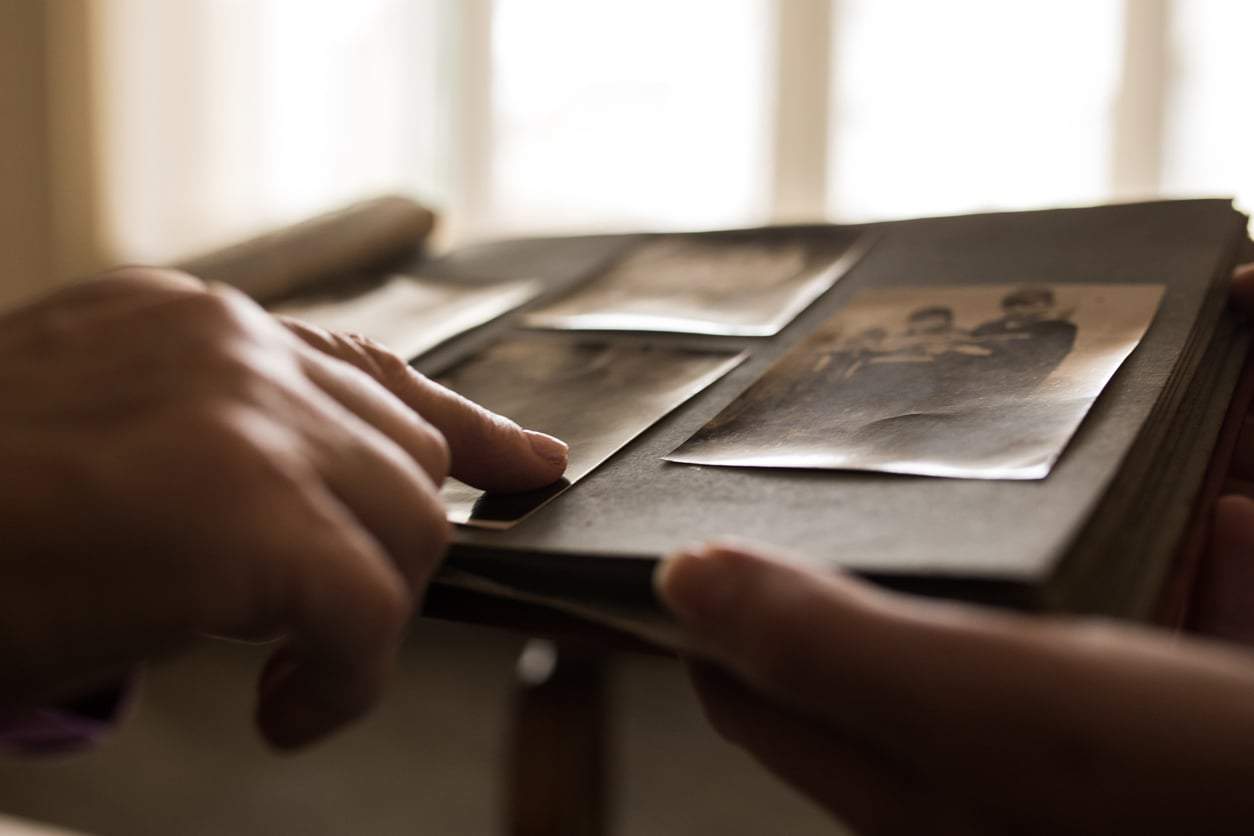
It turned out my parents had had a son. Two years before I was born. A little boy who died of sudden infant death syndrome at just six months old. His name was never spoken in the house. His photographs were locked in a box. And when I came along, both my parents decided they would bury the pain rather than relive it every single day.
The name my mother said at the funeral was his name. My brother's — a brother I never even knew existed.
A brother whose only trace was his absence
On the drive home, I couldn't cry. I just sat behind the wheel watching raindrops slide down the window. They had carried this for decades, while always presenting a version of our family where there were no secrets, no buried stories. And yet there had been another child — one I never got to know, whose absence had perhaps shaped my entire childhood without me ever realizing it.
My mother lives in a memory care facility now, moved there because of her illness. Some days she recognizes me. She takes my hand and says she's glad I came. Other days, she says that other name again. It doesn't break me the way it did at first. I just find myself wondering how many times I looked at her as a child without knowing that behind her eyes, the absence of another child lived too.
I don't know what I would have done in their place. I don't know whether the silence was cowardice or a desperate kind of love. I only know that the next time I sit beside my mother in the garden of her care home, and she doesn't recognize me again, what tightens in my chest won't be fear. It will be something far more complicated — something I still haven't found the words for.
What do you do with a family secret you were never supposed to know?
Grief is rarely about just one loss. Sometimes, buried inside it, is a second loss you didn't even know you were carrying. If you've ever uncovered something about your family that rewrote your past, you'll know there's no clean way to process it — only the slow, uncertain work of learning to hold two truths at once.
Can dementia cause someone to reveal old secrets?
Yes. As dementia progresses, the filters that regulate what we say and keep private can weaken. People living with dementia sometimes speak names, reference events, or express emotions that were long suppressed — not as a deliberate choice, but because the condition strips away the boundaries they once maintained.
Is it common for parents to hide the death of a child from their other children?
More common than many realize, especially among generations who were taught to "move on" rather than grieve openly. The loss of a baby — particularly to sudden infant death — was often treated as something to be endured privately, and many parents believed that protecting their surviving children from that pain was an act of love.
How do you grieve someone you never knew?
There's no single answer. Some people find it helps to acknowledge the person's existence in a concrete way — learning their name, finding a photograph, or simply allowing yourself to mourn the relationship you never got to have. The grief is real even when the memory isn't.