A breakup two days before your 30th birthday. A layoff paired with a rent hike. AI eating your freelance career. Sometimes life doesn't just knock you down — it sends you straight back to your old bedroom. We collected real stories from people who moved back in with their parents as adults, and what happened next surprised even them.
The breakup that sent her home
My boyfriend at the time broke up with me two days before my 30th birthday — after five years of living together. And he didn't exactly make it gentle: he told me I had two days to pack my things. So on my actual birthday, I moved out in tears. Memorable celebration, to say the least.
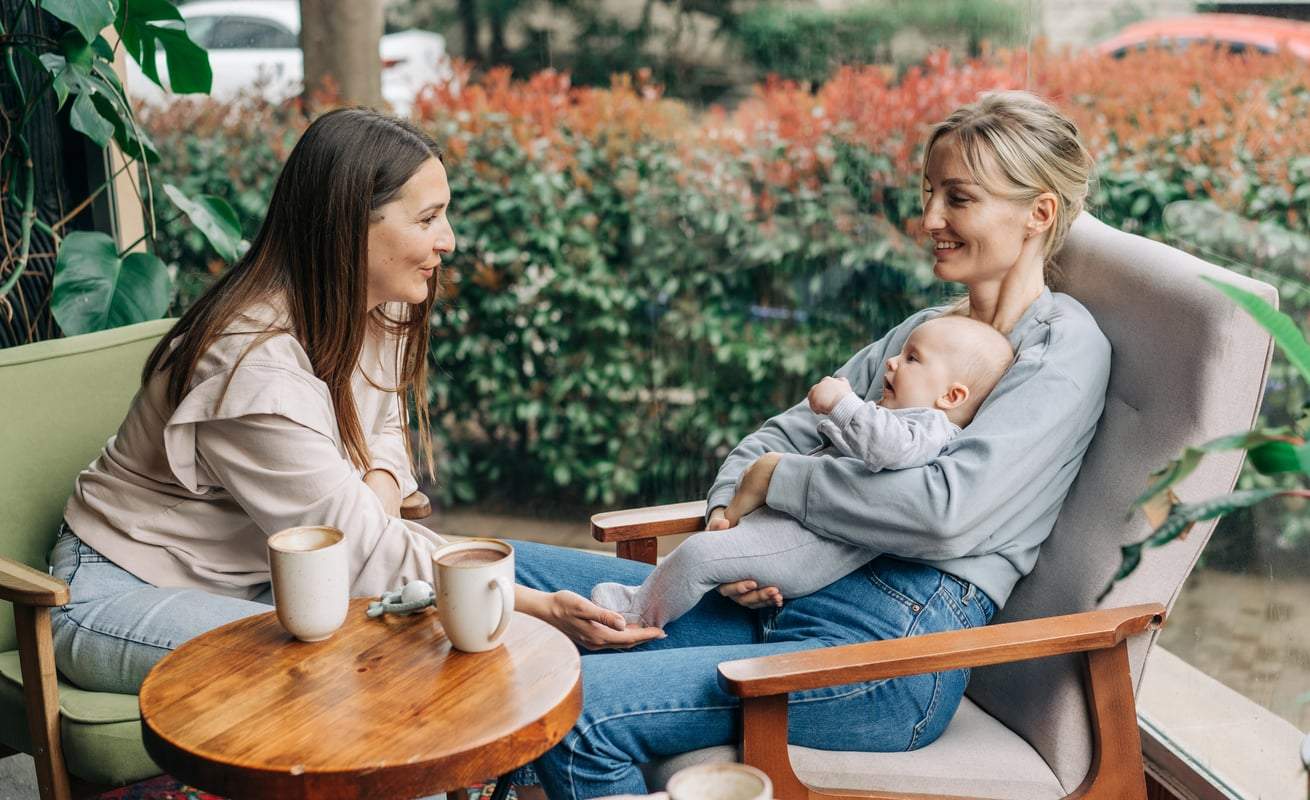
With nowhere to go on such short notice, I had to swallow my pride and move back in with my mom. On top of the heartbreak, I felt like a complete failure. But it turned out to be the best thing that could have happened. My mom welcomed me with so much warmth — she was genuinely happy to have me there.
We cooked together, binge-watched shows, redecorated her whole apartment. It was actually lovely. Instead of crying over my ex for months, I moved on surprisingly fast. I stayed with her for almost a year — until I moved in with my new partner — and to this day it's one of my favorite memories.
The anger that changed everything
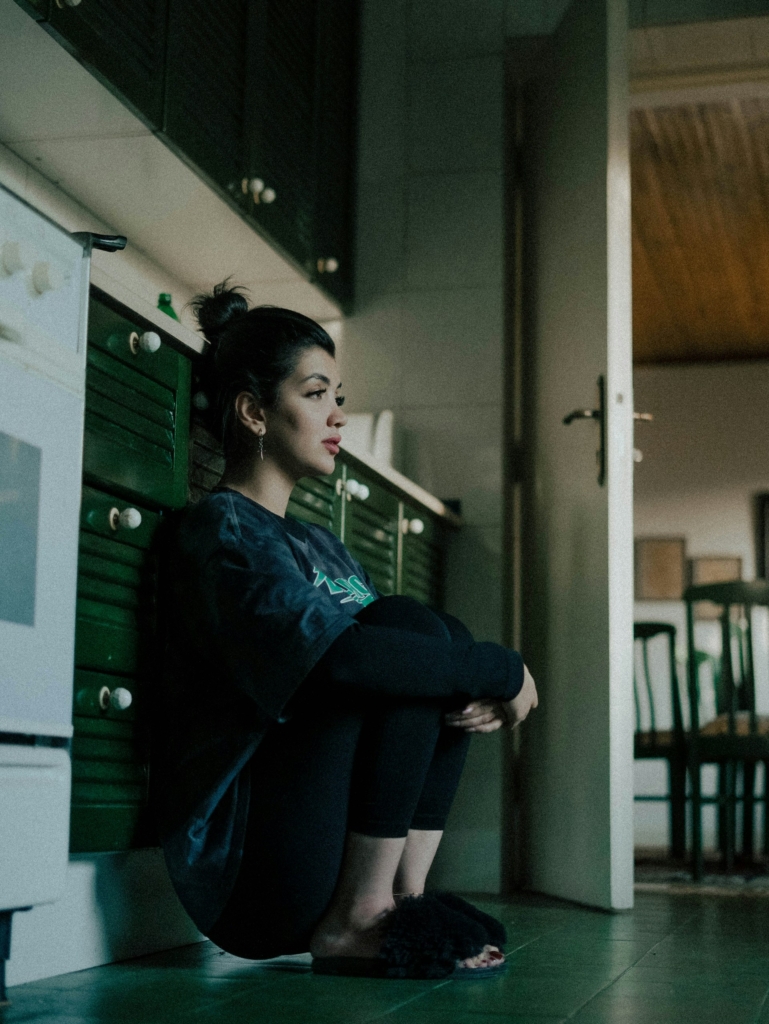
I lost my job and my landlord raised the rent sharply at almost the same time. I had no choice but to move back into my tiny childhood bedroom. As if that wasn't enough to make me feel terrible, my dad reminded me every single day what a failure I was — his words, not mine.
Honestly? The anger was the best fuel I ever had. It pushed me to take a job abroad — something I'd always been too scared to do before. I'd never had the nerve to try my luck in another country and leave everything behind.
So thanks for the motivation, Dad. Everything's great here, and I'm never coming back.
The city girl who rediscovered the countryside
I grew up in a small town and had been living away from home since I was 14 — boarding school, then university, then the city. So it was genuinely surreal when, twenty years later at 34, I showed up at my parents' door and said, "Hey, I'm back — I'm a little stuck."
They were surprised, because I'd always had well-paying jobs as a software developer. I had to explain that AI is quietly replacing a huge amount of tech work, and with tens of thousands of overseas developers flooding the freelance market every month, finding projects just isn't what it used to be. I felt deeply embarrassed about the whole situation — but honestly, it did me good.
I'd spent years waking up at noon, eating erratically, and zombieing in front of a screen until 3 a.m. Suddenly I was up at dawn helping my parents around the house — collecting eggs, weeding, mucking out the stable. Within six months I'd lost 33 pounds (about 15 kg), my muscle tone came back, and I looked better than I had since my teens.
My pasty skin got color from working outside, and every night I slept like a rock. I fell back in love with country life. Once I was financially stable again, I bought a small house right next to my parents' place. My mom is thrilled I'm nearby. My dad beams because his daughter turned out to be a country girl after all. And honestly? I have no idea how I put up with the noise and pollution of the city for twenty years.
The contract
My parents treated raising me like a contract: they'd support me until I was 18, and after that I was on my own. So when I hit rock bottom and had to move back, they were outraged. If my grandmother hadn't stepped in, they wouldn't have taken me in at all.
I lasted two weeks under the constant hostility and criticism before I gave up and crashed on a friend's couch instead.
I told my parents they could expect exactly the same level of warmth and dedication from me when they're old. I think the message landed.

A second chance she didn't expect
I got laid off. No savings. I had to give up my rental apartment and the only place I could go was my parents'. I hadn't lived with them since high school, and all three of us felt the awkwardness immediately.
Then one morning, my dad said something unexpected: stop stressing about job hunting, take a breath, and figure out what you actually want to do with your life — because he knew a humanities degree wasn't exactly making me a hot commodity in the job market. Without missing a beat, I told him I'd always wanted to become a dog groomer. Both my parents blinked — then nodded.
They paid for the training course and gave me free room and board until I finished. Today I live on my own again, I have my own small business, I've paid them back every cent, and for the first time in my life I genuinely love what I do. Our relationship grew so much closer through all of it — and I'll be grateful to them for that second chance for the rest of my life.
Is moving back home really such a failure?
Reading these stories, one thing stands out: moving back in with your parents as an adult is rarely the ending — it's often the turning point. Whether it pushed someone to finally leave the country, rediscover who they are, or take the career leap they'd been avoiding, the experience reshaped lives in ways no one expected.
The shame is real. But so is the possibility hiding on the other side of it.
Is it common to move back in with parents after 30?
Yes, and it's becoming more common. Rising rents, job instability, and major life disruptions like breakups or layoffs can leave even established adults with few other options. It's a practical response to difficult circumstances, not a measure of personal failure.
How do you keep the peace when living with parents as an adult?
Setting clear expectations early helps — around privacy, household contributions, and how long the arrangement might last. Treating it as a temporary reset with a plan, rather than an open-ended situation, tends to make it easier for everyone involved.
Can moving back home actually be a positive experience?
As several of the stories above show, it genuinely can be. Reconnecting with family, having a financial cushion to make a career change, or simply having support during a hard period can turn what feels like a setback into a real turning point.
What if your parents are unsupportive or critical?
Not every home environment is a healthy one. As one story here illustrates, staying somewhere that damages your self-worth isn't worth it — sometimes a friend's couch is the better choice while you find your footing elsewhere.