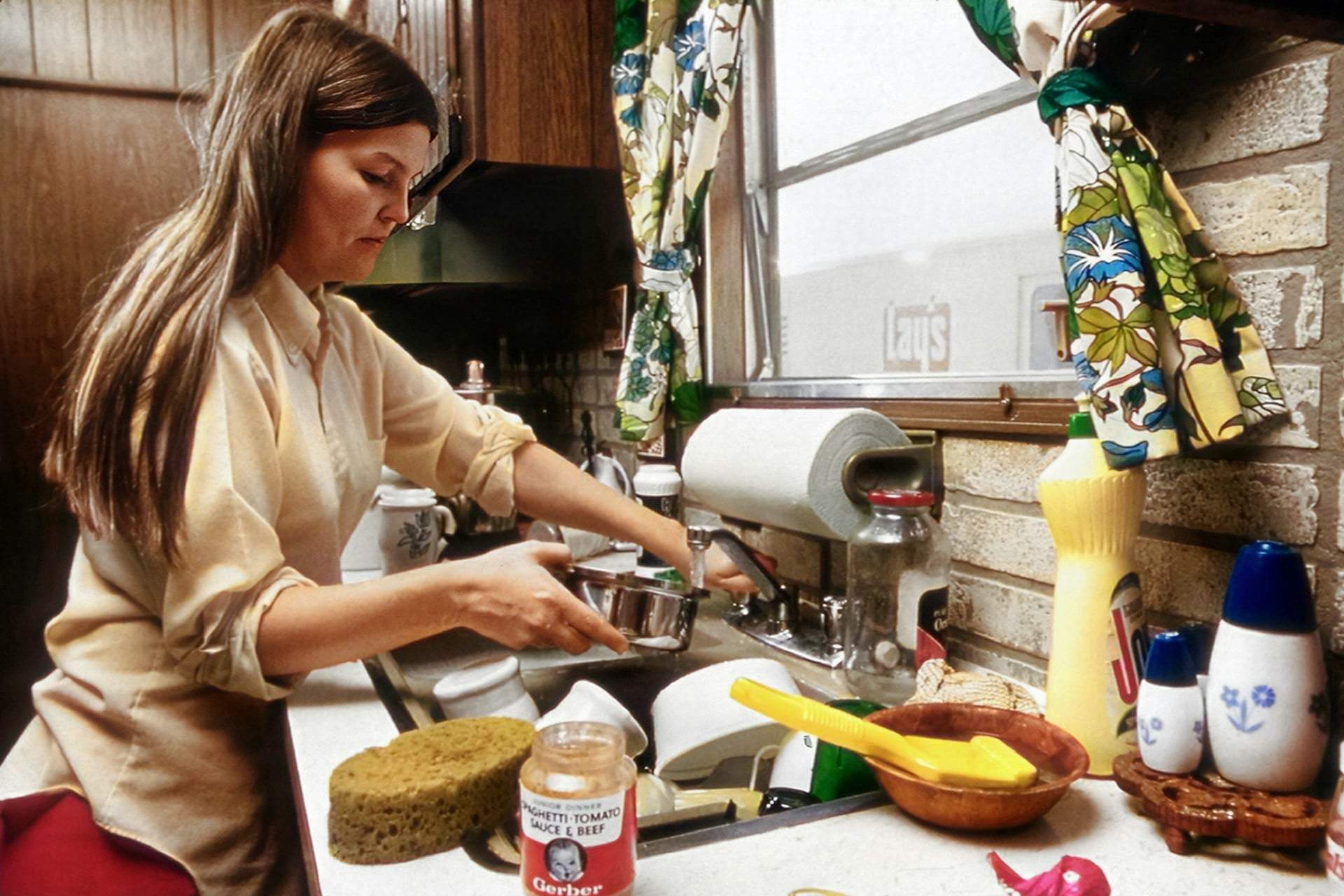
I can almost hear the hurried footsteps, the rushed sighs, the endless mental to-do lists rustling in the background — because when I look around at the people closest to me these days, that's exactly what I see. It's a world I know intimately. I lived in it for a long time.
Watching the hamster wheel from the outside is often scarier than being on it yourself — especially when the ones burning out in front of you are the women you love most.
It reminds me of something my therapist once said, and I haven't been able to shake it since:
"Very often, we connect with each other through our traumas — through the places where we're both stuck."
When I think about my closest friendships, it's almost unsettling how much truth there is in that. We share eerily similar struggles. For a long time, I was blind to those parallels — I was too deep in the thick of it myself. But now that I've started to see my own patterns more clearly, I recognize them in others too. And honestly? It's hard to watch.
When rest starts to feel like a luxury you haven't earned
One of the most striking things I notice when I talk to my friends is how consistently they overcommit. Every single one of them. It's genuinely moving — and heartbreaking — to see how much they pour into their families, their communities, the people around them. All while quietly pushing themselves to the very bottom of their own priority list. Not occasionally. Routinely. As if it were written into the job description.
I'm not holding myself up as some model of self-awareness here. It's only recently that I've truly started allowing myself to rest — to stop measuring every hour of my day against some invisible standard of usefulness. And even now, honestly, it doesn't always feel natural. I still catch myself asking: Is it okay to be resting right now, or have I quietly slipped into just being lazy?
Now that autumn is in full swing and the school-year chaos has kicked back into gear, I can see it written all over my friends' faces. They say they're tired — but even when they don't say a word, it shows in every gesture, every cancelled plan, every time it takes three weeks of back-and-forth to find a single free afternoon for a rushed cup of coffee.
One of them told me recently, with obvious relief, that a message I'd sent her had really helped — it made her realize she'd slipped back into the same old pattern. She's doing it again: trying to control everything, running what feels like three back-to-back shifts (two of them at home, unpaid). She knows, rationally, that this kind of relentless grip helps no one in the long run. Eventually, there's simply nothing left to give.
When patience and energy run dry, the very things she most wants to offer her family — love, attention, presence — are the first casualties.
There's a shadow side to total self-sacrifice that we rarely talk about
Here's the uncomfortable truth: we're not actually helping our kids — or our relationships — when we constantly take over their tasks in the name of their comfort or safety. We're quietly robbing them of something important. Children who are over-managed never get the chance to discover that they can handle difficulty on their own.
They don't get to feel capable. They don't get to feel independent. And they miss out on one of the best feelings there is: the quiet pride of figuring something out by themselves.
There will always be things we genuinely have to do for them — that's just parenting. But kids who are old enough to clean up after themselves are old enough to do exactly that. They don't need a household manager. They need a mother who still has something left in the tank.
No one is going to put up a statue in your living room for all that self-sacrifice — and if they did, you'd probably be the one dusting it. The world doesn't collapse when you're not in total control of every moving part. Your kids will survive being asked to pull their weight at home. The household will manage.
So right now, I'm going to sit down with my lukewarm coffee and calmly ignore the pile of dishes glaring at me from across the kitchen. And I'm genuinely hoping that next time, my friends will join me — for a full cup, without the rush.
Is it really possible to step off the hamster wheel?
Yes — but it rarely happens all at once. It usually starts with one small permission: allowing yourself to rest without earning it first.
Why is it so hard to stop overcommitting when you're already exhausted?
Because the pattern is deeply habitual. When constantly doing for others has become your identity, slowing down can feel like failure — even when your body is signalling that it's necessary.
Does taking on less actually make you a worse mother or friend?
According to the article, the opposite is true. When you run on empty, the qualities you most want to offer — patience, warmth, real attention — are the first things to disappear.
What's wrong with doing everything for your kids to make their lives easier?
Over-managing children prevents them from discovering their own competence. They miss the chance to feel capable and independent — and to experience the genuine satisfaction of solving something on their own.