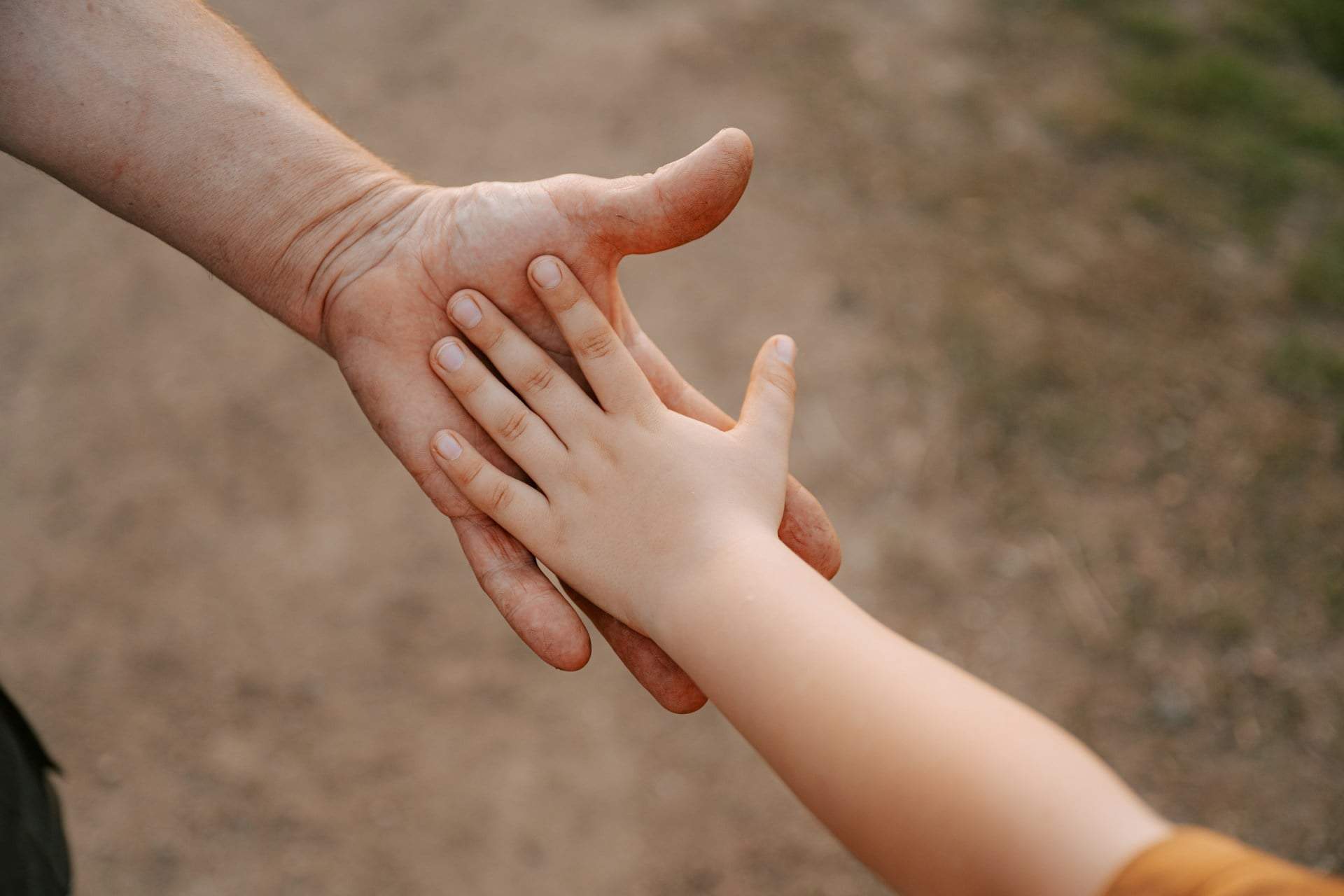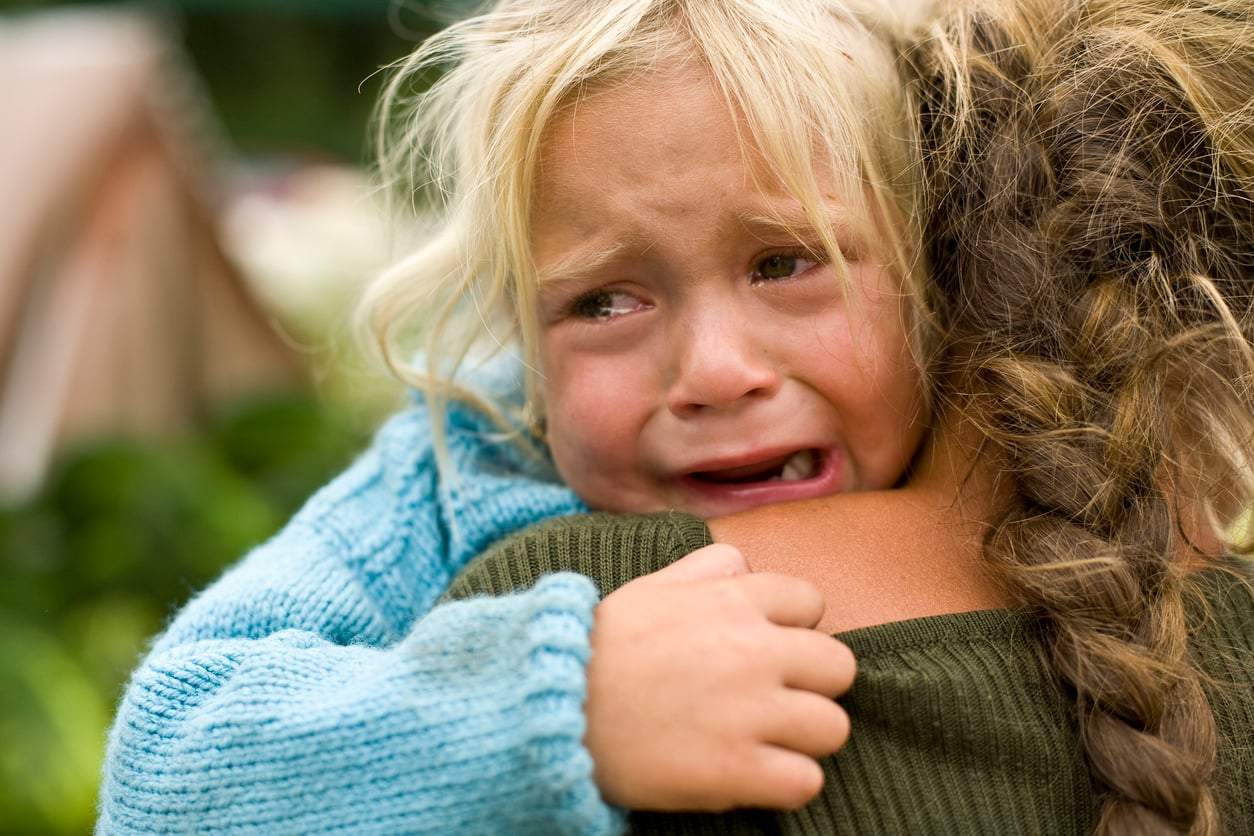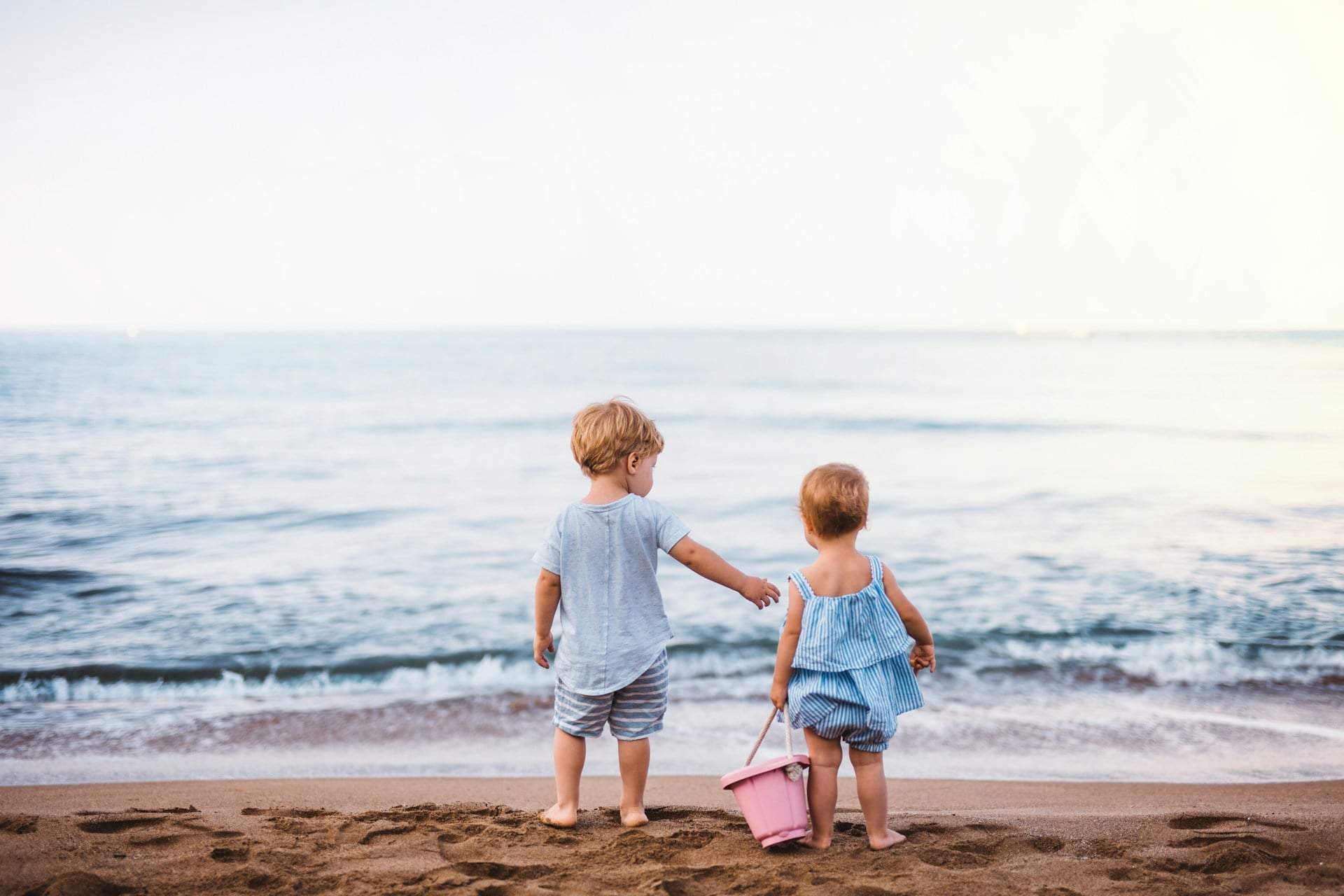
Most parents catch themselves doing it constantly — praising the grade, the goal, the finished drawing. And while results absolutely deserve recognition, there's a much deeper layer that often gets overlooked: the way a child struggles, tries, and shows up as a person is at least as worthy of attention as what they ultimately achieve.
There are three forms of praise that have nothing to do with performance — and yet leave a far more lasting mark than a quick "good job." Here's why they work, and how to weave them into everyday life.
1. Praising effort
When a child looks at a difficult task and doesn't back down — when they simply begin — that's a small but significant choice. If we notice that moment, rather than only celebrating the outcome, we send a powerful message: the act of trying is valuable in itself.
A simple sentence like "I saw how hard you pushed through that math problem — you really gave it everything" lands far deeper than a generic "you're so clever." It tells the child that their effort was seen and that it mattered.
Researchers have long cautioned that ability-focused praise — calling a child "smart" or "talented" — can quietly breed a fear of failure. If a child believes their intelligence is fixed, every new challenge becomes a test of their worth. Praising effort, on the other hand, sends the message that growth is the goal, not perfection.
The more specific, the better. Instead of "nice work," try pointing to the process: "I noticed you started that drawing three times before you were happy with it." That kind of feedback teaches a child to trust their own persistence rather than waiting for outside validation.
2. Recognizing perseverance
Perseverance is different from a single burst of effort — it's what happens when someone keeps going over days or weeks, through setbacks and frustration, without giving up. It's one of the strongest predictors of how well a child will handle life's difficulties as an adult, which makes it especially important to name and celebrate early.
Think of a child who spends days learning to ride a bike, climbing back on after every fall. That kind of inner drive deserves to be spoken aloud. "You fell again today, but you got back up every single time — that tells me a lot about who you are." That sentence isn't about the bike. It's about the strength it took to keep going.
The beauty of praising perseverance is that it works even when the child doesn't succeed. After a lost game, you can still say: "You kept fighting right to the final whistle, even when you were exhausted. That takes real character." This kind of feedback teaches something invaluable — that failure is not a measure of who you are, but simply one stop along the road.
3. Noticing kindness and character
This third area may be the most overlooked of all: the moments when a child does something good simply as a human being, not as a performer. When they share a toy with a sibling without being asked. When they comfort a classmate who's upset. When they quietly help tidy up on their own initiative. These moments speak to character — not ability.
When we regularly notice and name these moments, we teach children that empathy and kindness matter just as much as any grade or trophy.
"It really meant something to see you share your snack when you noticed your friend hadn't brought one" — that sentence doesn't praise a performance. It reinforces a value.
This type of praise is also especially important because children often receive more attention when they misbehave than when they're quietly, naturally kind. When we flip that pattern — when we pause and call out the goodness out loud — we send a clear message: being kind is not invisible, it is seen and it matters.
All three of these forms of praise share one thing in common: they're about what the child reveals in the process, not just what they produce at the end. Effort, perseverance, and character are the qualities that remain intact when a competition is lost, a test goes badly, or an attempt falls short. Building on these is how you give a child an inner foundation — one that doesn't crumble at the first sign of failure.
Why does effort-based praise work better than telling kids they're smart?
When children are praised for being "smart" or "talented," they start to see their ability as fixed — something they either have or don't. This creates anxiety around failure. Praising effort instead teaches them that skill and success grow through trying, which keeps them motivated even when things get hard.
What does good specific praise actually sound like?
Rather than a vague "great job," point to exactly what you observed — for example, "I noticed you started that drawing three times until you were happy with it." The more concrete the praise, the more clearly the child understands what behavior is worth repeating.
Can you praise perseverance even when a child doesn't succeed?
Absolutely — and this is one of the most powerful moments to do it. After a loss or a setback, acknowledging how long and hard a child kept trying separates their effort from the outcome. It teaches them that their value isn't determined by results.
How often should parents praise kindness and character?
As often as you notice it. Children tend to get more attention for acting out than for being quietly kind, so consciously naming those gentle, generous moments helps them understand that good character is noticed, valued, and worth repeating.