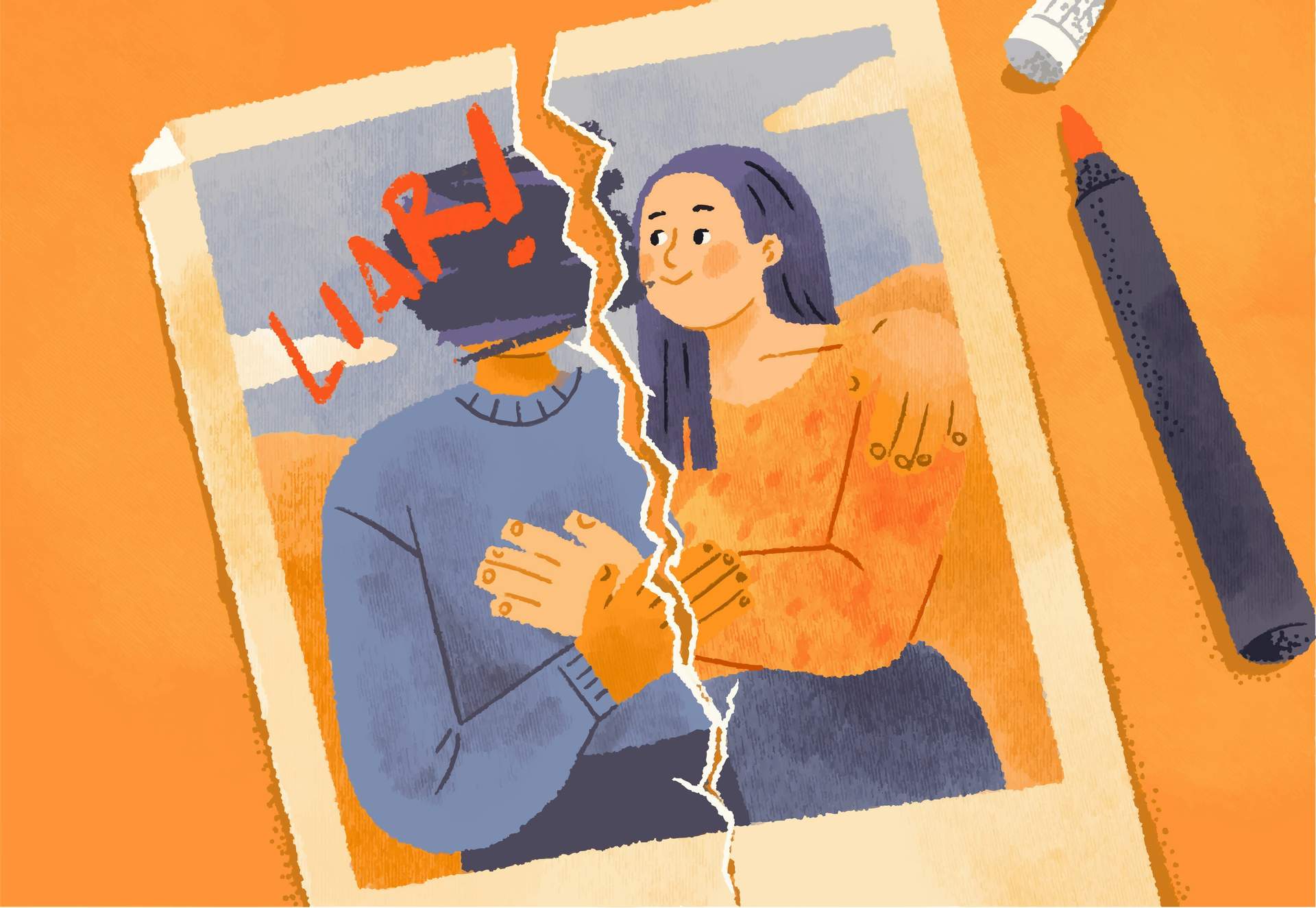
Mental strength isn't about being unaffected by life's hard moments. It's about knowing how to respond to them. Some phrases feel completely harmless in the moment — even comforting — but they quietly hand over your power to outside circumstances or other people's opinions. Mentally strong people tend to catch themselves before saying certain things out loud, not because they never feel them, but because they know how much words shape the way they think.
1. "I have no choice."
This phrase is dangerously comfortable. It lifts the weight of decision right off your shoulders — which is exactly why it's so tempting. But mentally strong people rarely use it, because they know that almost every situation contains options. They might all be difficult, but they exist. Instead of saying "I have no choice," they ask themselves: which option am I choosing, and why — even if none of them feel good?
2. "This always happens to me."
Overgeneralizing is one of the most damaging mental traps there is. A bad day, a rejection, a failure — these are events, not patterns. One painful experience doesn't define a life trajectory, and mentally strong people resist the urge to treat it like it does. They don't let a single moment become evidence of a permanent reality.
3. "It's not my fault."
This isn't about blaming yourself for everything. It's about resisting the reflex to deflect all responsibility — because when you do, you lose the chance to learn anything from the situation. Emotionally grounded people tend to ask themselves what role, even a small one, they might have played. That question isn't self-punishment — it's self-awareness.
4. "Nothing is ever going to change."
This is the language of hopelessness. And people who have lived long enough know that situations do shift — often in ways that couldn't have been predicted. Mentally strong people are wary of this phrase not because they're blindly optimistic, but because saying it out loud has a way of making it true. It closes the door before anything has a chance to move.
5. "I should know better by now."
Hidden inside this phrase is a perfectionism that leaves no room for growth. Being uncertain, making mistakes, or still learning something — none of that is weakness. Mentally strong people replace this phrase with something more honest and useful: "I'm still figuring this out" or "I haven't had much experience with this yet." That framing opens a door instead of shutting one.
If you find yourself caught in these kinds of thought patterns, it may be worth exploring what's really driving them — building daily mental resilience habits can make a real difference over time.
6. "If they didn't do that, I'd be happy."
Placing the responsibility for your happiness entirely on someone else feels relieving in the short term. But over time, it leaves you completely dependent on other people's behavior for your own wellbeing. Mentally stable people don't outsource their emotional state. Instead, they focus on what they themselves can do to make a situation more manageable — regardless of what the other person does or doesn't do.
7. "I can't take this anymore."
Sometimes this phrase is true, and it's an important signal that you need to ask for help. But more often, it's the voice of momentary exhaustion rather than a genuine assessment of where you are. Recognizing the difference matters. Saying "I need rest right now" or "I need some support" is far more specific — and far more actionable — than declaring you've hit a wall.
8. "I'm right, they're wrong."
In any conflict, the drive to win can easily overpower the desire to understand. But emotionally balanced people rarely close down a disagreement that sharply, because they know that two people can both be right from their own perspective — and that the relationship usually matters more than scoring the point. Holding space for another person's truth doesn't mean giving up your own.
These phrases are hard to let go of not because they're complicated, but because they feel so natural in the moment. And maybe that's exactly the point. What sets mentally strong people apart isn't that they never think these things — it's how quickly they notice when they're about to say them, and choose a different path instead.
Is mental strength something you can actually build?
Yes. Mental strength is not a fixed trait — it's a set of habits and thought patterns that can be developed over time with conscious practice and self-awareness.
Why do phrases like these feel so hard to avoid?
Because they offer immediate emotional relief. They shift responsibility, simplify complexity, or justify inaction — all of which feel comforting in the moment, even if they're limiting in the long run.
Does avoiding these phrases mean suppressing your feelings?
Not at all. The goal isn't to deny difficult emotions, but to reframe them in ways that keep you in the driver's seat rather than making you feel like a passive victim of your circumstances.
What's the difference between healthy venting and these problematic phrases?
Healthy venting is temporary and helps process emotions. These phrases become problematic when they're repeated as fixed beliefs — when they stop being feelings and start becoming identity statements.