Opinion piece by Schuszter Borka
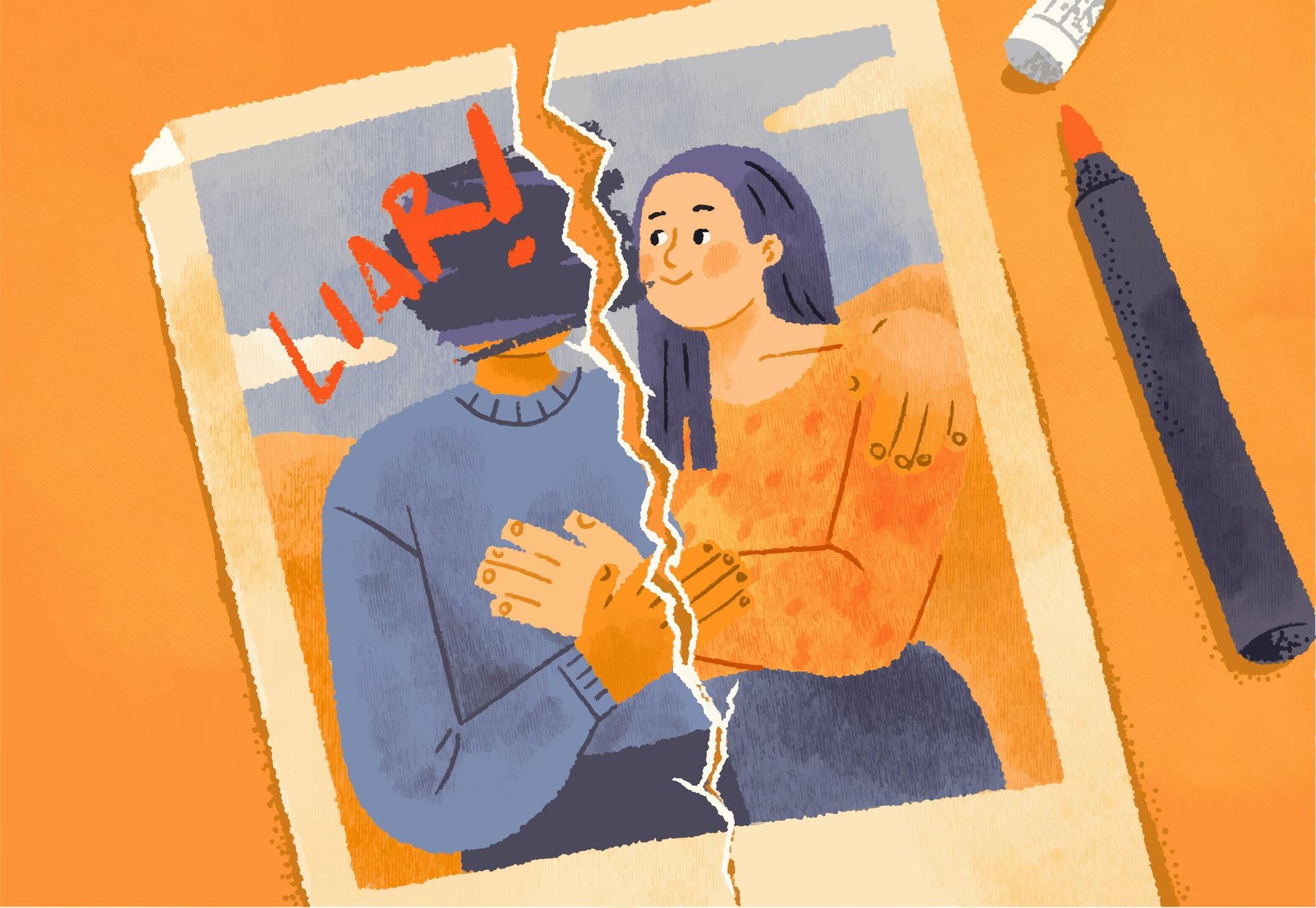
Scroll through TikTok or Instagram for five minutes and you'll almost certainly see someone talking about "escaping a toxic relationship," "the trauma their ex caused them," or how their former partner was clearly a narcissist. And honestly? I think it's a genuinely good thing that these conversations are happening. For so many people, hearing this language for the first time was the moment they finally understood what they'd been through — and found the courage to get help.
But something has shifted. More and more, I see those same words used to describe situations that are simply… human. Unpleasant. Unfair. Sometimes painful. But not trauma.
Has someone hurt me before? Of course. Have I had a boss who treated me unfairly? Yes. Have I been in relationships where, looking back, we both made a lot of mistakes? Absolutely.
But not every one of those situations was toxic. And not all of them left lasting damage.
Disappointment is part of life. Relationships fall apart. People turn out to be incompatible. A breakup can hurt for months. A teacher humiliates you, a friend lets you down, a colleague treats you unjustly. These things happen — and they're real.
These are real pains — they just don't all need a diagnosis
The problem isn't that people are naming their pain. The problem is that we've started reaching for the strongest possible clinical language to describe experiences that are painful but ordinary. Sometimes someone was just selfish. Immature. Made a bad call. Or we did.
Not every hurtful person is toxic. Not every self-centered person is a narcissist. And not every painful memory is a trauma.
What bothers me about this isn't the intention behind it — it's that these words are slowly being hollowed out.
When everything is trauma, nothing is
If every relationship is toxic, what word do we use for someone who genuinely spent years manipulating, isolating, and frightening their partner? If every difficult boss counts as abusive, how do we describe someone who truly destroys their employees' mental health?
Language matters because our words give weight to our experiences. When we use the heaviest terms for everything, the stories of people who truly lived through these things quietly lose their power.
And I don't think it does us any good personally, either. When we frame every uncomfortable experience as trauma, we're subtly telling ourselves that we're more damaged than we actually are. That every bad thing that happens leaves permanent scars. But the human mind is far more resilient than that.
What makes a person psychologically healthy isn't never going through anything difficult. It's being able to process the things that hurt — the things that didn't break them, but certainly stung.
I know this is complicated territory. We're finally talking about mental health far more openly than we did twenty years ago, and that's real progress. Countless people have found language for experiences they couldn't articulate before. That's genuinely valuable.
It's just that we've swung too far in the other direction. It's as if we now feel compelled to find a psychological label behind every human conflict — as if we can no longer accept that sometimes life just hurts. That sometimes our hearts break. That sometimes we get deceived. That sometimes we're the ones who behave badly.
None of that automatically means a mental disorder or abuse is involved.
I think it's worth giving these words their weight back. Being more precise about what we've experienced doesn't diminish our pain — it does the opposite. It helps us tell the difference between the ordinary suffering that comes with being human and the experiences that leave genuinely deep, lasting wounds.
And I think that would be good not just for the language we use. It would be good for each other, too.
Isn't it dismissive to say someone's pain "isn't really trauma"?
Not if it's said with care. Acknowledging that an experience was painful and real doesn't require labeling it clinical trauma. Precision actually honors pain more than inflation does.
Why do people reach for words like "toxic" and "narcissist" so quickly?
Often because these words finally give a name to something that felt confusing or wrong. That impulse is understandable — but when the terms are applied too broadly, they lose the weight that makes them meaningful to those who truly need them.
Can something be genuinely hurtful without being trauma?
Absolutely. A difficult breakup, an unfair boss, a friendship that ended badly — these can cause real pain without meeting the clinical or psychological threshold for trauma. The human mind is built to process and recover from ordinary hardships.
Does talking about mental health more openly cause this over-labeling?
Greater openness about mental health is a clear step forward — the issue isn't talking more, it's losing the distinction between serious clinical experiences and everyday human struggles. Both can coexist if we stay precise with our language.