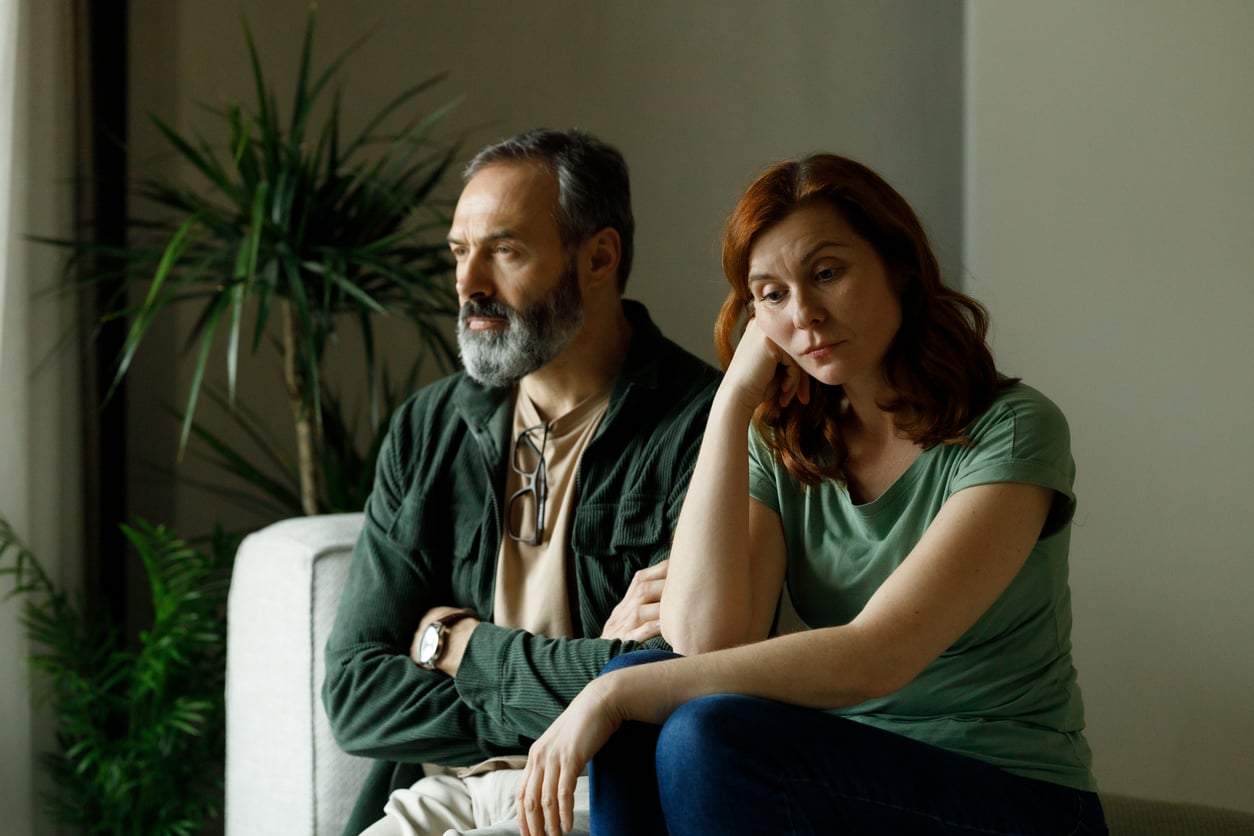
Women hold nearly all the cards in modern dating. On any given app, they're flooded with compliments and date requests while the average guy swipes right for hours just to land two matches — one of whom ghosts after the first message, the other who cancels the day before the date. Most women never stop to think about how much time, effort, rejection, and heartbreak stands between a man and a single date. As someone who coaches men through exactly this, I want to change that.
You have the ace
Online dating is structurally imbalanced, and that's not a complaint — it's just a fact. Women receive an overwhelming volume of attention from the moment they sign up. Meanwhile, men invest enormous energy for minimal return. The mismatch is real, and it shapes how men experience dating in ways that are often invisible to women.
Men didn't choose to be the ones who chase
There's a persistent myth that men are natural hunters who thrive on the pursuit. The truth is far less romantic. Most men approach women not because they love rejection, but because they have no other option — if they waited to be approached, many would spend their entire lives alone.
Just as humanity stopped hunting for food the moment supermarkets existed, men would stop "chasing" in a heartbeat if the dynamic allowed it. The chase isn't a preference. It's a default forced by circumstance.
Even confident men are terrified
The smooth-talking, apparently self-assured guy who approaches you at a bar? He's nervous. Underneath the bravado, most men approaching women in person are genuinely afraid. Rejection is common and can be deeply humiliating — especially when a woman reacts as though the man who spoke to her is an inconvenience she just wants to wave away.
It takes real courage to keep trying after that, again and again. The next time a man approaches you and you're not interested, a little kindness in the rejection costs nothing and means more than you might realize.
The self-doubt runs deeper than you think
A huge part of my job as a dating coach isn't teaching technique — it's rebuilding confidence. Most of the men who come to me are desperate. They've absorbed so much rejection that they've stopped believing they're capable of being loved. They're convinced something is fundamentally wrong with them, that they don't deserve a relationship, that happiness is simply not for them.
My job is to persuade them to try again — to put themselves out there for what might be the hundredth painful rejection — because if they want a partner, they have no other choice. That emotional weight is invisible to most people, but it's very real.
If you've ever wondered why so many men seem guarded or emotionally shut down, the male loneliness epidemic has roots that go far deeper than most people acknowledge.
Men are becoming more isolated — fast
The numbers are stark. In developed countries, roughly one in three men aged 18 to 34 hasn't had sex in the past year. More than 60% of men between 18 and 29 are single. Among men aged 30 to 49, around a third are also living alone. These figures are dramatically higher than they were even a decade ago.
This isn't about men not wanting connection — they do, deeply. The problem is that men and women are drifting further apart, and the social structures that once brought them together are eroding. Both sides are losing something.
Many men have already given up
I meet men every week who have quietly accepted that they will never have a partner. They've withdrawn entirely from dating — not out of laziness, but out of exhaustion. My goal as a coach is to help great men meet great women and build real, lasting relationships. But I also have to be brutally honest with the men I work with, telling them things they'd rather not hear.
What I don't do — unlike the misogynistic voices that dominate certain corners of the internet — is blame women. That's not the answer, and it never was.
Some of these men are on the edge — and society laughs
We can debate whose fault the male loneliness crisis is. We can roll our eyes at incels. But there is one thing I need to say clearly, and there is nothing funny about it:
Some men are so profoundly alone that they are on the edge of suicide — and when they try to talk about it, society mocks them.
We've made important progress in reducing the stigma around mental health. But for men, emotional vulnerability is still treated as weakness. Many would rather die than admit they're struggling. That is not an exaggeration. It is a quiet, ongoing tragedy.
The vast majority of men navigating the brutal world of modern dating are not predators, not manipulators, not threats. They're decent people who are hurting, who want connection, and who just want a chance. I hope more women can see that — not out of obligation, but out of genuine humanity.
Frequently asked questions
Why do so many men struggle with dating today?
Modern dating platforms are structurally imbalanced — women receive far more attention and matches, while men face repeated rejection with minimal results. Over time, this erodes confidence and can lead many men to give up entirely.
Is it true that men enjoy the "chase" in dating?
According to the perspective shared in this article, no — most men pursue women not because they enjoy it, but because they feel they have no alternative. If the dynamic allowed it, many would welcome a more equal approach to initiating contact.
How does rejection affect men's mental health?
Repeated rejection can cause deep self-doubt, making men believe they are fundamentally unworthy of love or connection. In serious cases, prolonged loneliness and isolation can push men toward depression and, in extreme situations, suicidal thoughts.
What is a dating coach and how do they help men?
A dating coach works with men to rebuild their confidence, help them communicate better, and encourage them to keep trying despite past rejection. Much of the work is emotional — addressing the deep insecurity that comes from years of feeling unwanted or overlooked.
Are men and women really growing more apart?
Based on the statistics cited in this article, yes — rates of single men and men who have not had sex in the past year have risen sharply over the last decade, suggesting that genuine connection between men and women is becoming harder to achieve for many people.