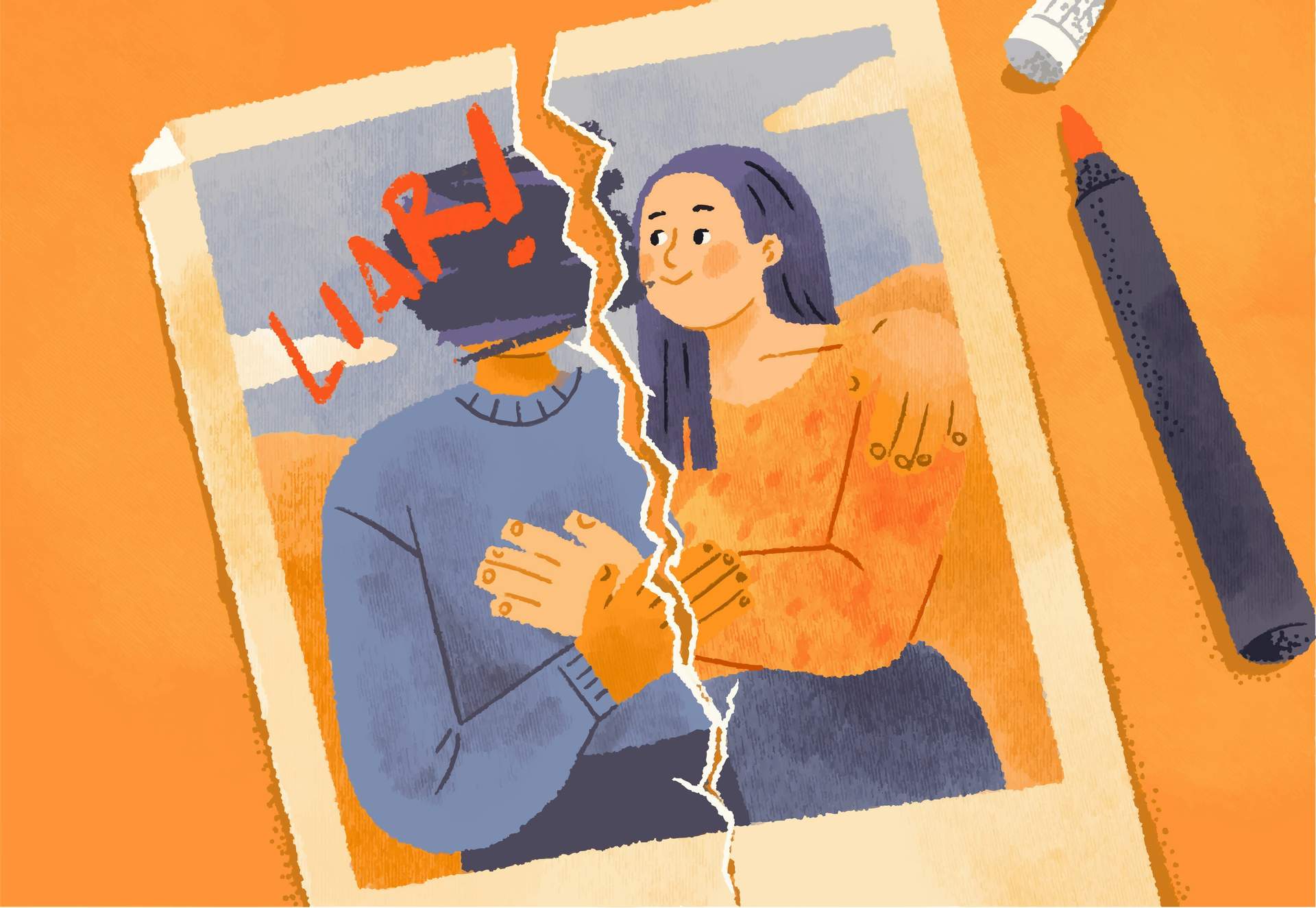
There's something uniquely cruel about someone who just disappears. No breakup, no explanation, no closure — they simply stop replying. The messages go unread, the calls go nowhere, and you're left standing there with one question on repeat: what happened? What did I do wrong? What was the problem with me?
Spoiler: probably nothing. But knowing that and feeling it are two very different things — and that's exactly what therapists confirm too.
Why does ghosting hurt so much?
Ghosting is especially hard because it robs you of closure. Our brains struggle to process something that has no ending, so the thoughts keep spinning in circles, returning to the same place again and again. What went wrong? When did things change? Was there a sign I missed?
Psychologically, ghosting is a form of social rejection — and research suggests the brain processes it in the same regions it uses for physical pain. It's not dramatic to feel awful about it. It genuinely hurts.
What makes it even harder is that ghosting gives you nothing to argue with. A breakup line at least gives you something to weigh — is it true or not? Silence offers nothing to hold onto, and that emptiness fills up fast with your own doubts.
The confidence that quietly breaks
One of the most common effects therapists see is this: ghosting makes you question your own judgment. How did I not see it? How could I trust someone who did this? Why wasn't I enough?
That last question is the most dangerous, because ghosting usually isn't about you. It's a reflection of the other person's discomfort, maturity, or the way they handle conflict. You can't do for them what they couldn't do themselves — face the situation and say what they feel. That's not an excuse. But it can help you stop turning someone else's behavior into a weapon against yourself.
If you keep replaying the moment things went cold, you may also want to look at how other people can quietly chip away at your self-worth — and how to protect it.
What therapists actually recommend
- Give yourself time to hurt. You don't have to be over it instantly. Ghosting is a loss, and loss deserves to be grieved. The urge to "just move on" quickly often only delays what you'll have to face anyway.
- Don't search for answers where there aren't any. Rereading old messages, checking their profile, quizzing mutual friends — it all creates the illusion that if you dig deep enough, you'll finally find something. But the person who ghosted you usually has no logical explanation you could ever understand. The closure has to come from you.
- Ask yourself what you learned. Not to blame yourself, but because every relationship — even the ones that ended badly — can teach you something. Maybe you learned what you're looking for. Or what you're willing to accept. Or exactly what you're not.
- Don't generalize. One person's behavior doesn't mean everyone will do the same. It sounds obvious, but after being ghosted the brain loves to generalize — and that's what damages your confidence most in the long run.
- Turn your attention back to yourself. The best answer to ghosting is redirecting your energy toward where you're genuinely valued. A friend, a project, a habit that used to make you feel good. Anything that brings back the feeling that you are worthy — regardless of what someone else thinks of you.
The closure only you can give yourself
Ghosting is hard because the other person took away their chance to give you an ending. But that doesn't mean you can't have one — it just has to come from somewhere else.
Closure isn't an explanation you finally receive. Closure is the moment you decide this chapter is over — not because everything is okay, but because your life can't stay on hold for someone who wasn't willing to stay.
It isn't easy. But it's possible. And along the way you realize something: your confidence wasn't lost where you thought it was — it just showed you there's still something worth rebuilding.
Is being ghosted really as painful as it feels?
Yes. Therapists note that ghosting is a form of social rejection, and research suggests the brain processes it in the same areas it uses for physical pain. Feeling hurt isn't an overreaction — it's a real response.
Does ghosting mean something is wrong with me?
Almost always, no. Ghosting reflects the other person's discomfort, maturity, or inability to handle conflict — not your worth. It says far more about them than it does about you.
How do I get closure if the other person disappeared?
Closure doesn't have to come from them. It's the moment you decide the chapter is over and choose to move forward, rather than waiting for an explanation that may never arrive.
Why can't I stop checking their profile and old messages?
Because your brain is chasing an answer. Rereading messages or checking their profile creates the illusion that enough searching will reveal something — but there's usually no logical explanation you could uncover. The healing comes from letting go, not digging deeper.