Looking back
Looking back at my life now, at 47, I've been lonely more times than I can count. Growing up as an only child at the edge of a small village, with no one to play with. As a teenager — awkward, bespectacled, spotty — invisible to everyone around me. In my twenties, working in a foreign country where I didn't speak the language.
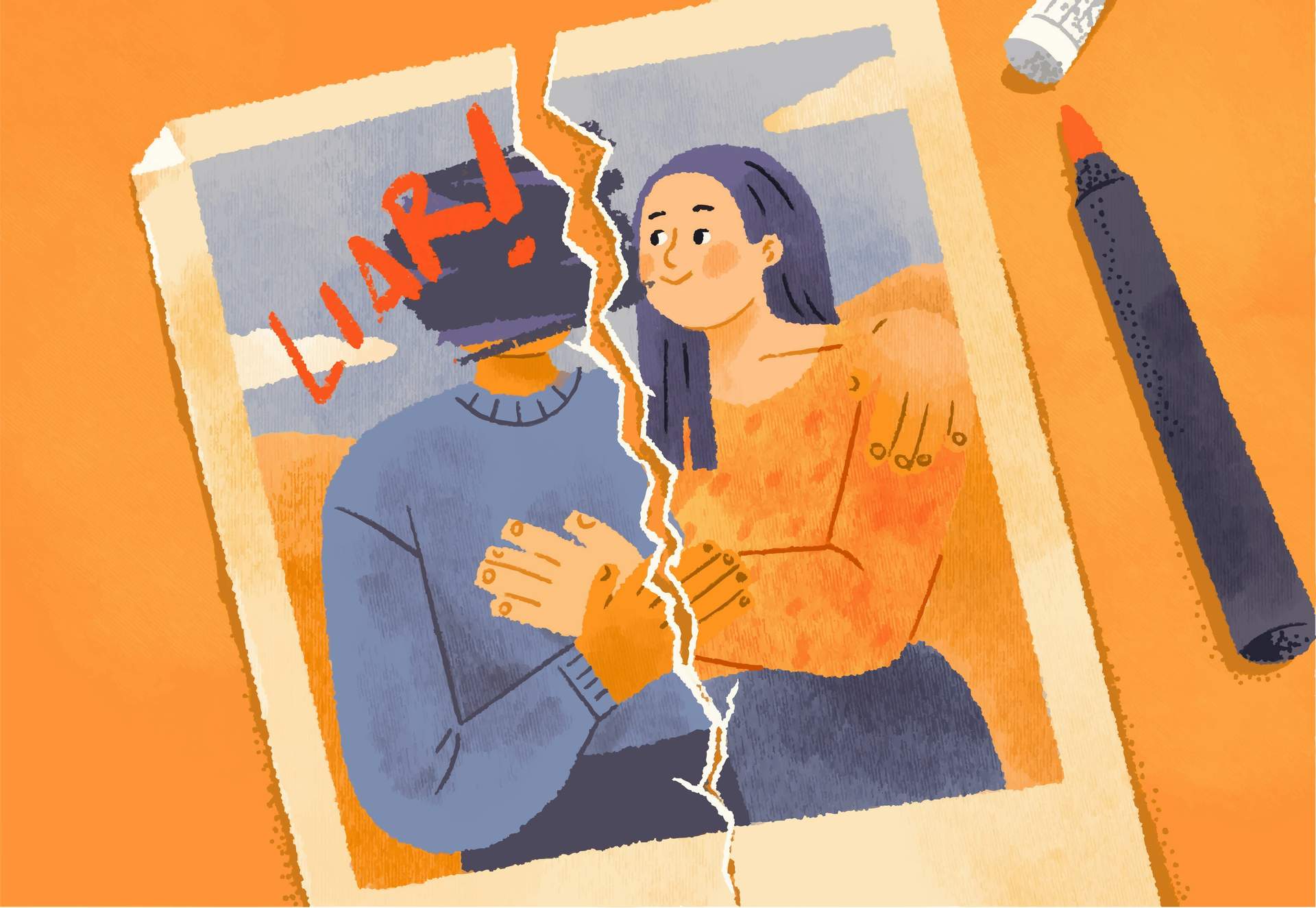
But none of that came close to the loneliness I felt lying in bed each night with my husband sleeping beside me. That kind of loneliness was dark and bottomless, like drowning in something you can't see. In the end, he was the one who filed for divorce. He's been unhappy ever since. I've never felt more free.
A partner in name only
The loneliest woman I know is the woman I used to be — during fifteen miserable years of marriage. My so-called "partner" treated me like I wasn't there. Being abandoned while technically not being alone is a particular kind of suffering that single life simply cannot replicate. Since the divorce, I haven't been with anyone. And I haven't felt lonely for a single moment.
How it looked from the outside
People envied me and pitied my younger sister. I had a "beautiful family" — she was single. But my days were filled with housework, school runs, and the relentless, grinding experience of being treated as though I didn't matter.
Meanwhile, my sister was building a career she loved, traveling the world, having exciting relationships on her own terms. I was slowly losing my friends, my sense of self, my sexuality, my emotional life — all of it.
From the outside: a pretty wife, a handsome husband, adorable kids, a nice house. From the inside: I was quietly dying of loneliness.
The one skill I learned
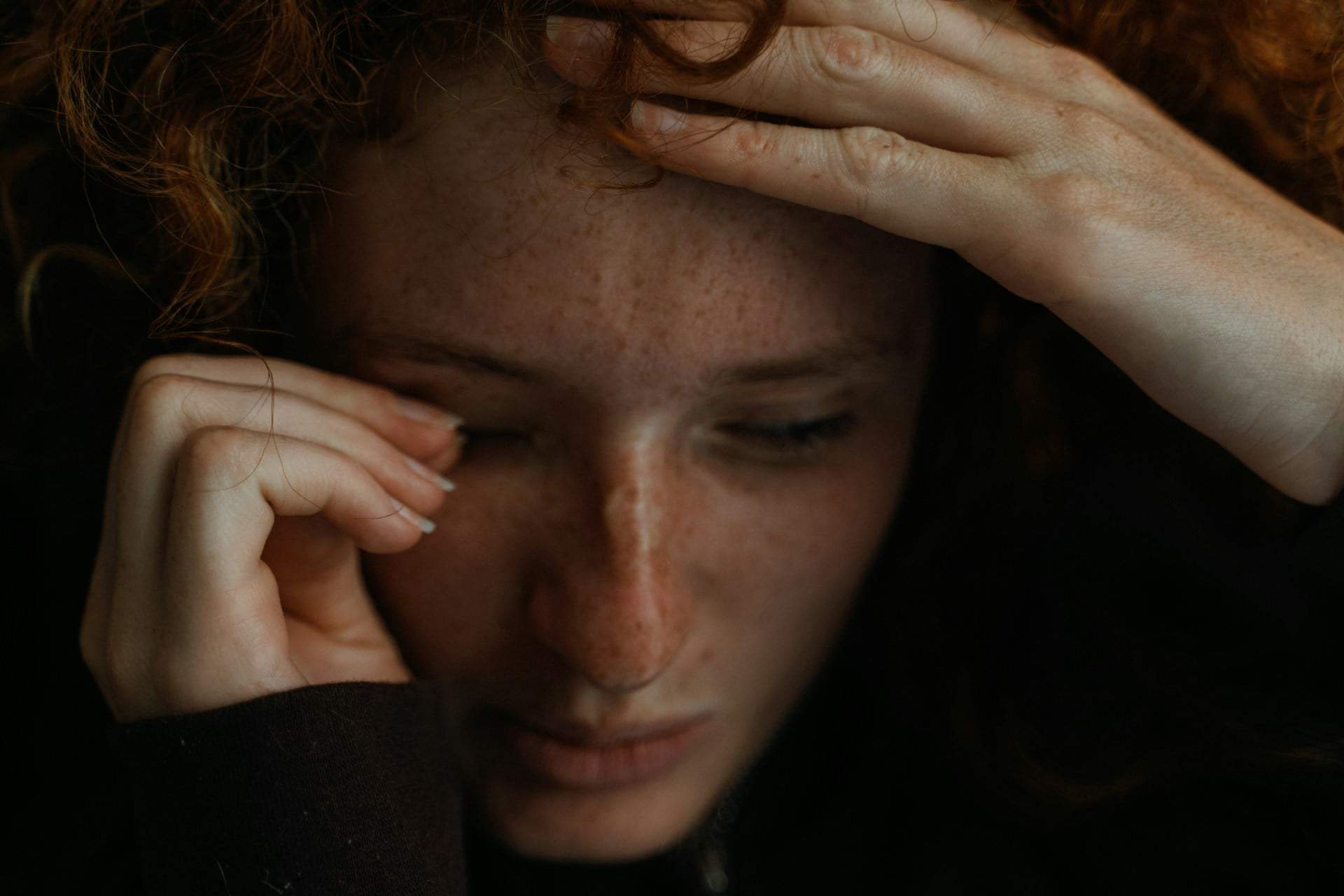
Over the course of that marriage, I shrank. I gave up on myself, piece by piece. By the time I finally left, there was barely anything left of me. The only thing I had mastered — the single "achievement" of those years — was learning to cry in complete silence so I wouldn't wake him up.
Since the separation, I've been slowly putting myself back together — the way you carefully reassemble something broken. Some days are hard. Some days are sad. But lonely? Not once. Not even close.
Removing the real problem
I was lonely. I was isolated. I was emotionally abused, taken for granted, and reduced to the role of housekeeper and babysitter — as if he'd simply forgotten I was a person with thoughts, desires, and a voice.
The only light in that darkness was my children. And one day, a thought surfaced: what if I removed the one thing that was making everything unbearable? What if I removed him?
It was like the world switched from black and white to full color overnight.
I haven't had a single bad day since the divorce. Not one. If you're reading this and it sounds familiar — consider this your wake-up call. Every woman deserves more than social loneliness. Every woman deserves more than being invisible in her own home.
Together again — differently
My best friend and I used to talk for hours about how utterly alone we each felt beside our husbands. We gave each other the courage to leave. We both divorced, and we moved into a shared apartment together without looking back. It feels like being in our twenties again. This is genuinely one of the happiest chapters of my life.
What real connection feels like
In my relationship, I was emotionally abandoned on a daily basis. As a single woman, I haven't been once. Weekends with family. Evenings with friends. After-work drinks with colleagues. Coming home to my cat. It's enough. It's more than enough. It's a whole life.
The loneliness epidemic isn't about being single. It's about staying too long in a relationship that hollows you out. If that's where you are, you already know it. And somewhere, part of you already knows what comes next.
Is staying in an unhappy relationship worse than being alone?
Yes — and many women who leave unhappy marriages report exactly this. Being in a relationship where you feel invisible or emotionally neglected creates a deeper, more suffocating loneliness than being single ever could.
What is social loneliness in a relationship?
Social loneliness — sometimes called relational loneliness — is the feeling of being profoundly alone even when someone is physically present. It happens when emotional connection, respect, and genuine companionship are absent from a partnership.
How do you know if loneliness in a relationship is a reason to leave?
If you feel consistently unseen, unheard, or emotionally abandoned by your partner — and attempts to address it change nothing — that loneliness is a signal worth taking seriously. As this article shows, life on the other side can look very different.
Can you rebuild yourself after an emotionally draining marriage?
Yes, though it takes time. As described here, the process can feel like reassembling something broken — gradual, sometimes painful, but ultimately possible. Many women find that their sense of self returns more quickly than expected once the source of the emotional drain is gone.