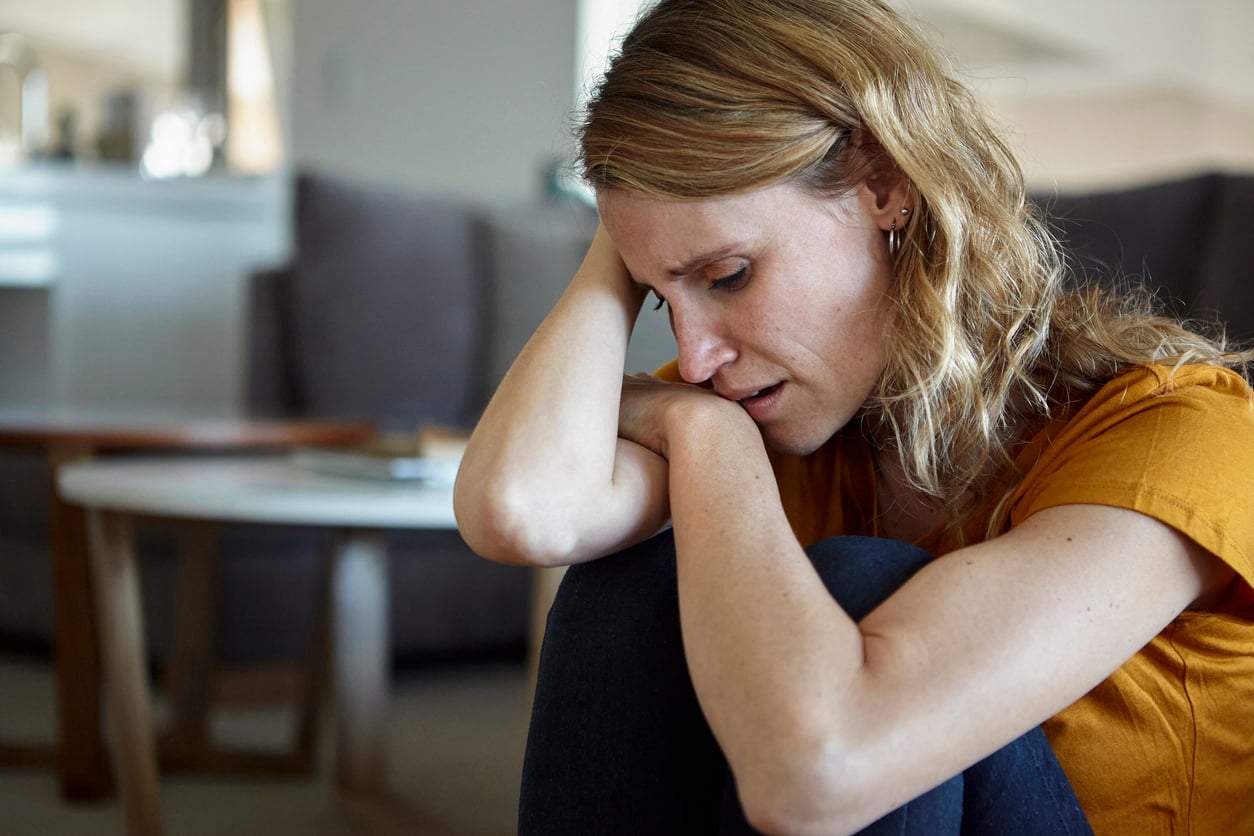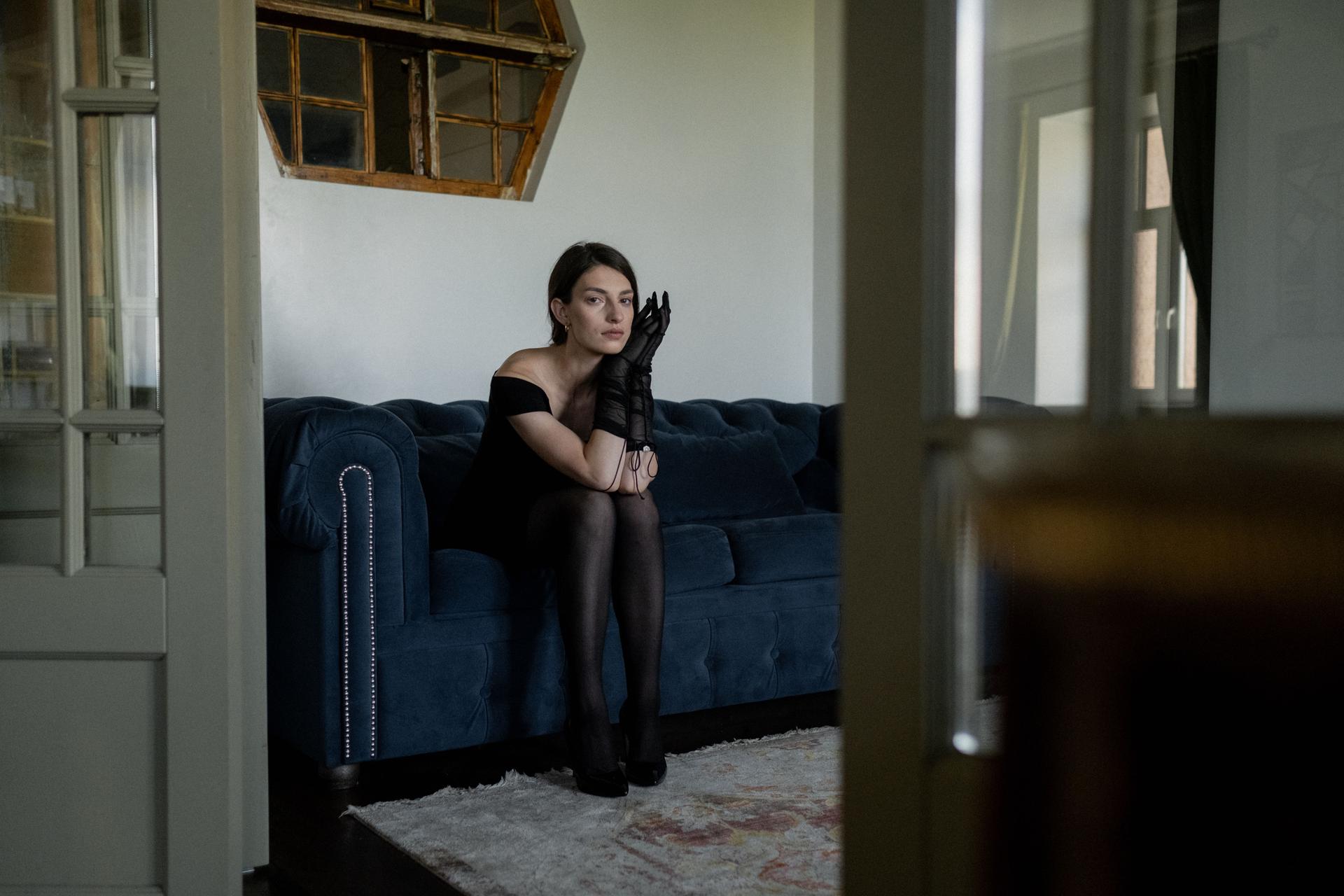
It was 7:30 on a Saturday evening, and my phone was completely silent. For three years, that night had been the fixed point of my week — the Saturday card game at Sophie and Pete's place, the one we'd all shown up to for seven years, sick or stressed or half-asleep. Now I was sitting in my living room, an unopened bag of chips on the kitchen table, staring at a screen that had nothing to say.
Three weeks later, it really started to hurt
Three weeks had passed since the breakup. It had been clean, as far as these things go — no shouting, no dramatic scenes. Just a tired conversation in our kitchen, both of us admitting we no longer wanted the same things. That kind of pain I knew. I'd braced for it. I hadn't braced for this.
The next day I messaged Sophie to ask when the next card night was — I was finally ready to get out of the house. I watched my phone for what felt like a long time. Then her reply came: "Oh, I thought you knew — we talked it over with the others, and we're keeping it smaller for now, just a few of us." She didn't mention any names. She didn't need to. I knew exactly who she meant.
When a shared friend group stops being shared
After that, I started noticing things I'd been refusing to see. Instagram stories showing my ex, Mark, at someone's apartment with a beer in hand, laughing — while no one had checked in on me in weeks. A group chat I slowly faded out of, until one day I realized I couldn't even see the messages anymore.
I realized they hadn't abandoned me — they had chosen someone over me. And that decision was no less final than the breakup itself.
The hardest moment came on a cold Tuesday morning when I ran into Pete at the farmers' market. He was warm, gave me a hug, asked how I was doing — and then added, sheepishly: "It was genuinely hard to figure out who to invite to the birthday. But he's known the core group longer." I nodded, as if that made perfect sense, while my brain tried to process the fact that seven years of friendship had just been measured by a timeline.
The shared history mattered less than I thought
In any friendship — like in a relationship — there comes a moment when you realize the other side isn't trying to be fair, they're just trying to make things easy. It was easier for them to keep the person they'd known longer. Easier not to think too hard about the fact that I had been just as present in their lives for all those years. The shared history suddenly counted for less than I'd believed.
I have another friend, Nora, who was never part of that circle. When I told her everything, she said simply: "You know what actually hurt you? It wasn't the rejection. It was realizing how conditional it had all been." I couldn't argue with that. We carry this naive idea that friendship exists independently of whoever you happen to be dating. Then one day you find out that a shared social circle is sometimes just a jointly held asset — and when two people split, one of them has to give it up.
I'm not sure I want my seat back at that table
I don't call Sophie on Saturday evenings anymore. Sometimes I still glance at the stories, then put my phone face-down and make myself a cup of tea. I don't know whether I'll ever find my way back to that old table — or whether I even want to. What I do know is that the next time I build a real friendship, I'll pay closer attention to whether someone is genuinely choosing me — or just choosing whoever happens to be around.
Can a breakup really cost you your friends?
Unfortunately, yes. When a social circle formed largely around a couple, mutual friends often feel forced to pick a side — even if they don't frame it that way. The result can feel like a second, quieter breakup that nobody talks about.
Is it normal to feel more hurt by losing the friend group than by the breakup itself?
Completely. The end of a romantic relationship, however painful, is something most of us have some framework for processing. Losing a group of friends at the same time — especially unexpectedly — can feel like a betrayal with no script and no closure.
What does it mean when you realize a friendship was "conditional"?
It means the friendship existed within a specific context — in this case, being part of a couple within a shared group. When that context changed, the friendship didn't survive on its own terms. Recognizing this is painful, but it's also an important form of self-knowledge that shapes how you invest in friendships going forward.
How do you start rebuilding your social life after this kind of loss?
Slowly, and with more honesty about what you're looking for. As the article describes, the experience can make you more intentional — more aware of whether a new friendship is genuinely mutual, or simply a product of convenience and circumstance.