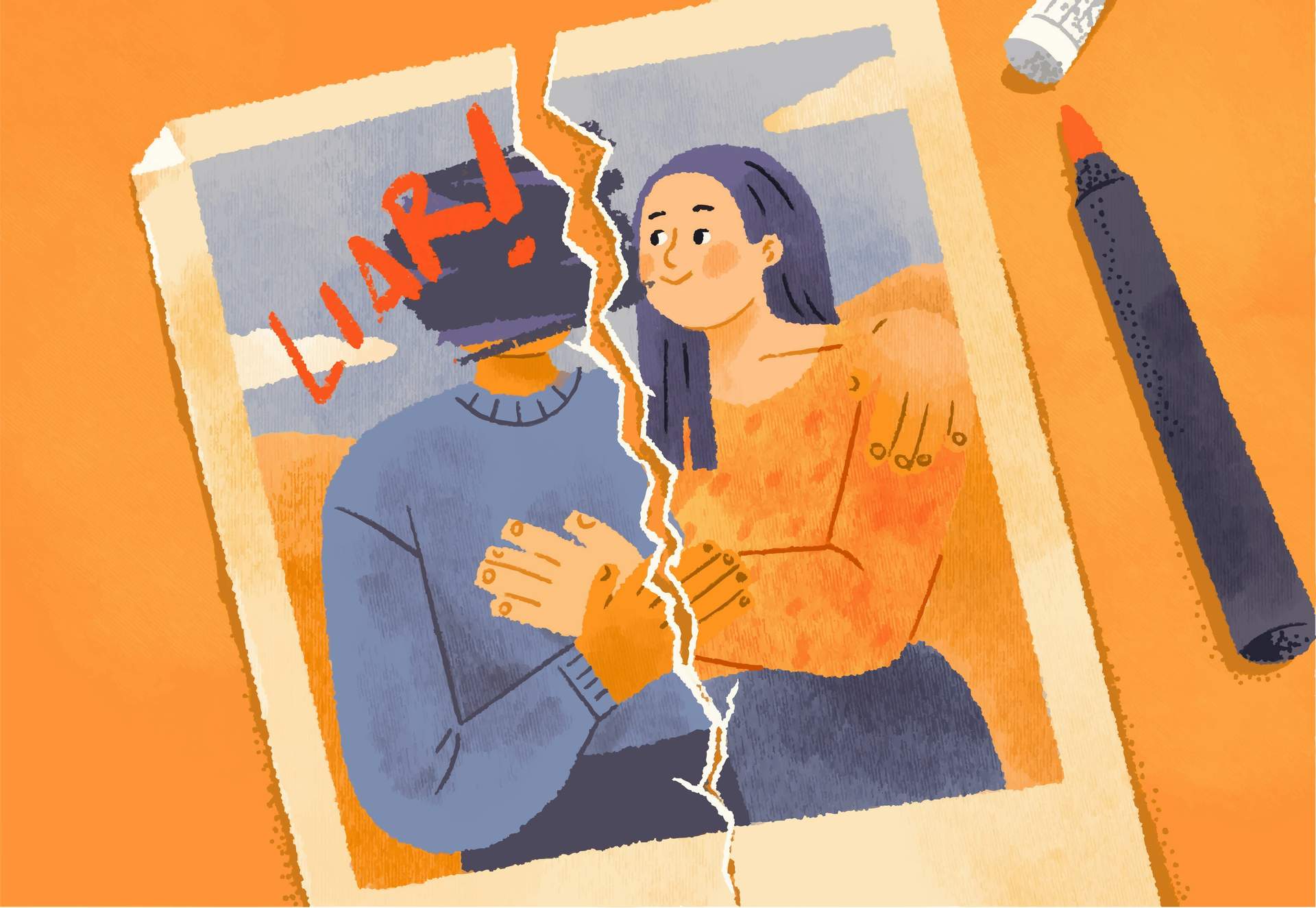
There is a conversation that happens, usually in a kitchen, usually with one friend who has known you twenty years. You say you are single again and she tilts her head in sympathy. And you realise, slightly to your own surprise, that you do not want sympathy. Something in you has gone quiet in a good way — the low background noise of managing somebody else's moods has stopped, and the silence is not lonely. It is spacious.
Not everyone arrives there quickly, and nobody arrives there on schedule. But the cultural script that treats a woman's singleness after fifty as a condition to be fixed misses what actually happens in that period, which is frequently a kind of recalibration people spend their whole thirties wishing they had time for.
The first stretch is logistics, not romance
Before anyone thinks about dating, there is a less glamorous phase: working out who does the things the other person did. Who deals with the car. Who knows the boiler. Who is the emergency contact now. For women who partnered young, this period can feel disproportionately destabilising, and it is worth naming that the wobble is often practical rather than emotional.
Address it deliberately rather than waiting for competence to arrive by mood. Make the list. Find the plumber. Update the forms. Work out, concretely, what you can afford and what shape your days take. Every one of those small resolutions returns a piece of confidence, and confidence is the thing that makes the next part possible.
Rebuilding a life that is not organised around someone else
Long partnerships quietly outsource parts of a personality. You stopped going to galleries because he found them boring. You lost touch with the friend he never clicked with. Your weekends had a shape that was negotiated so long ago you forgot it was ever negotiable.
The most useful exercise I know is to take a plain week and ask, for each block of it, who chose this. Then change one block. Not your whole life — one Thursday evening. Re-contact one person. Say yes to one thing you would previously have declined on someone else's behalf. The rediscovery happens in small increments, and it is far more durable than a dramatic reinvention.
Friendships matter here more than almost anything. Many women find that the people who show up are not the ones they expected, and that new friendships formed in this chapter are unusually honest, because nobody has the energy left for performance.
If and when you want to date again
Dating later in life is genuinely different, and mostly in your favour. You know what you cannot live with. You can usually tell within an hour whether someone is actually curious about you or simply looking for an audience. You are no longer auditioning for a shared future involving mortgages and school runs, which strips away a great deal of pressure.
The practical advice is unromantic but sound: meet in person reasonably early rather than building an elaborate correspondence with someone you have never heard laugh; tell a friend where you are going; and resist the urge to present a tidied-up version of your life, because the whole point of this chapter is not having to maintain a performance. Expect some flat evenings. A dull coffee is not a referendum on your worth.
And be clear with yourself about what you actually want. Not everyone wants cohabitation again. Plenty of women want companionship, affection and their own front door, and that is a complete answer, not a stepping stone to a better one.
Is it too late to meet someone at my age?
No, though the honest version is that the pool is different rather than simply smaller — more people with histories, grown children, established routines and firm preferences. What tends to shift is the pace: connections often form more slowly and with less urgency, which many people find a relief. The bigger risk at this stage is not scarcity but settling out of impatience, because loneliness is persuasive and a mediocre match can temporarily sound like a solution.
How do I stop feeling like being single means I failed?
Start by noticing where that belief came from, because it is usually inherited rather than examined — a story about women's lives that was written for a different era. Then collect evidence from your own experience: the decisions you have made well, the friendships you have sustained, the ordinary Tuesday you enjoyed on your own. If the feeling is heavy and persistent rather than occasional, or it is keeping you from things you want to do, talking it through with a counsellor is a sensible step rather than a dramatic one.