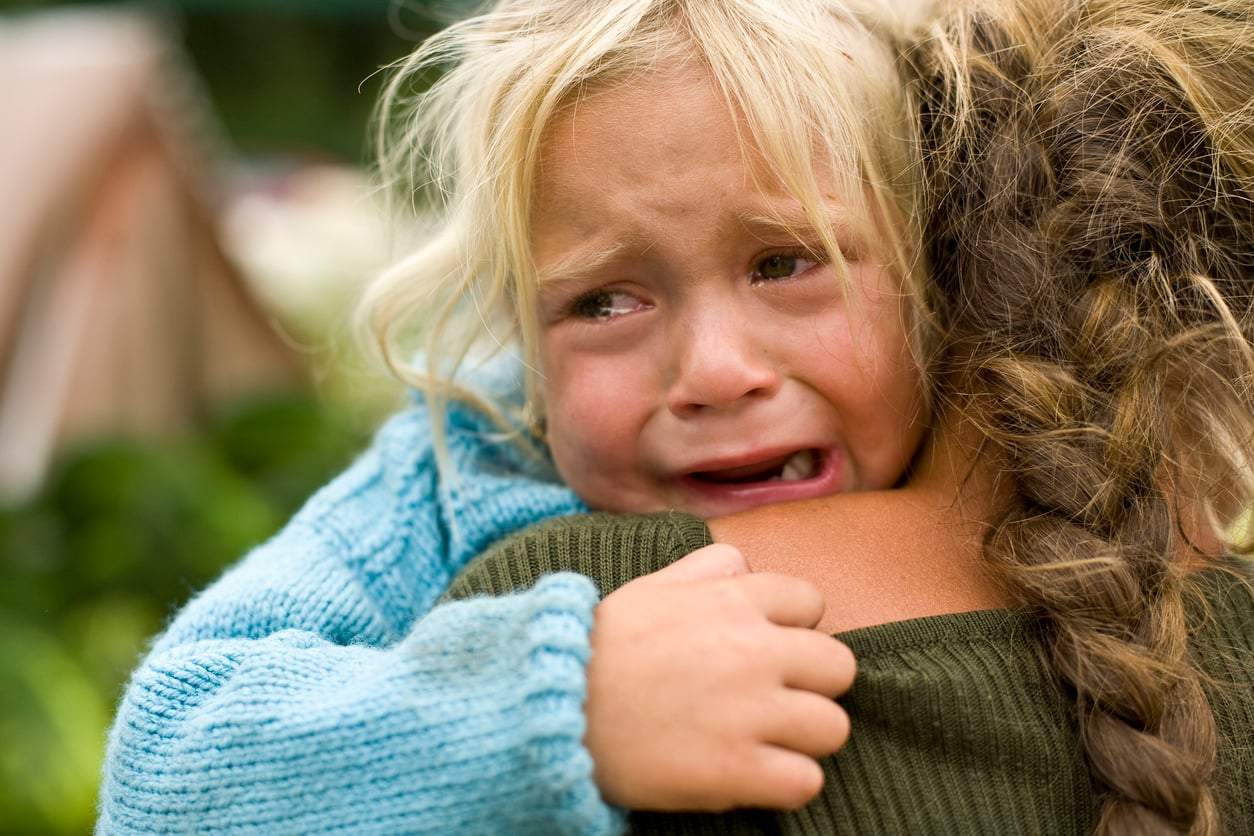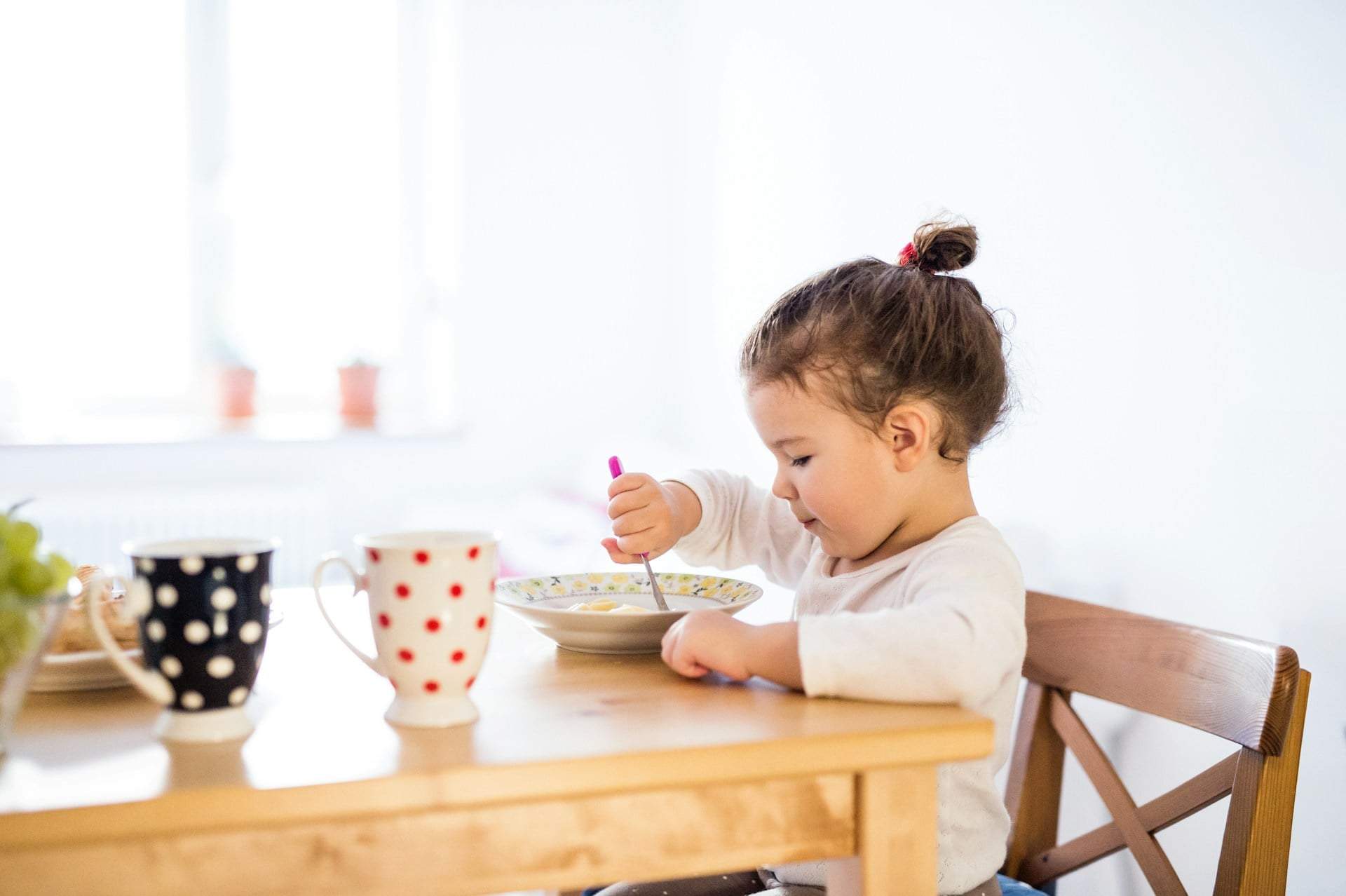
Sunday lunch is on the table, steam still rising from the soup, when grandma turns to her seven-year-old grandchild and says, almost casually: "You know, your brother was so much better at this at your age." The child looks down at their plate and says nothing — just starts eating a little more slowly. The adults carry on talking as if nothing happened. But something did happen.
That sentence, or versions of it — "Your sister learned this ages ago," "By the time your mom was your age, she was already doing that on her own" — seems harmless enough coming from a grandparent. But a seven-year-old brain doesn't process comparison the way an adult does. The child doesn't hear "try a little harder." What they hear is: "The way I am isn't good enough."
Why a grandparent's words carry so much weight
Children can, over time, absorb and work through criticism from their parents — partly because a parent is there every single day, which means there's room to argue, repair, and reconnect. A grandparent is a different kind of figure. They're seen less often, associated with special occasions, and their words arrive with an almost ceremonial authority — like family wisdom handed down from above. The child also knows their own parents look up to this person, which gives every comment an unofficial stamp of approval.
There's another layer to this: many grandparents were raised the same way — through comparison and competition — and simply don't realize that what they intend as encouragement lands as a wound. It's not cruelty. It's that they've never learned a different language for motivation.
What a child remembers isn't what the grandparent meant to say. It's what the child felt in that moment: that there is someone in this family against whom they will always fall short.
When a single sentence echoes for years
Psychologists have long recognized the pattern: a comment made in childhood resurfaces in adulthood — after a performance review at work, at the start of a new relationship, in a quiet moment when someone catches themselves underestimating their own abilities. Not because they think about it consciously, but because the sentence found its way into the internal voice they use to measure themselves.
And a grandparent's comparison is rarely a one-off. It tends to be part of a repeating pattern — surfacing at family gatherings, in slightly different words, with the same underlying message.
Many adults look back on these moments and laugh them off as quirky family lore. But if they sit with it for a moment, they can often recall exactly where they were sitting, what was on the table, what they were eating when the words were said. That kind of detail is a signal of how much weight the moment carried.
What a parent can do when they're sitting right there
It's an uncomfortable position — watching your own parent say something hurtful to your child, knowing you need to protect the child without detonating a family conflict. Most child development experts suggest that a public correction isn't always the best move. Instead, gently steering the conversation in a different direction in the moment — and then speaking privately with the grandparent afterward — tends to work better. That private conversation is where a parent can calmly explain what this kind of comparison actually does to the child.
For the child, one of the most helpful things a parent can do is come back to the moment later, at home, and simply ask: "How did you feel when Grandma said that?" Not to fuel resentment, but to show the child that what they heard is allowed to be talked about — and they don't have to carry it alone.
The grandparents who do it differently
Some grandparents from the very same generation manage to relate to their grandchildren in an entirely different way. Instead of saying "your sibling did this better," they pay attention to what this particular child is good at — and they name it out loud. That's not about avoiding all standards or pretending effort doesn't matter. It's about recognizing that the right benchmark isn't a sibling's performance — it's the child's own growth compared to where they were last year.
The urge to compare runs deep in many grandparents, because it's how they measured their own children. These family patterns shift slowly — a little with each generation — and often the shift begins when someone quietly asks: do you remember how it felt when someone said that to you?
Frequently asked questions
Why do grandparents compare grandchildren to siblings or parents?
Many grandparents were raised in an environment where comparison was used as a motivational tool. They often intend it as encouragement, not realizing that the child experiences it as a judgment on who they are rather than a push to improve.
Can one offhand comment really have a lasting effect on a child?
Yes — especially when it comes from a figure of authority like a grandparent. A remark that seems minor to adults can become part of a child's inner voice, resurfacing years later in moments of self-doubt. The effect is amplified when the same message is repeated at family gatherings over time.
How should a parent handle it without causing a family argument?
Experts generally recommend steering the conversation in the moment without a public confrontation, then speaking privately with the grandparent afterward. It's also important to check in with the child at home, giving them space to express how the comment made them feel.
What should grandparents say instead?
Rather than measuring a child against a sibling or cousin, grandparents can focus on what this specific child does well — and on their own progress over time. Noticing and naming individual strengths builds confidence far more effectively than comparison ever can.