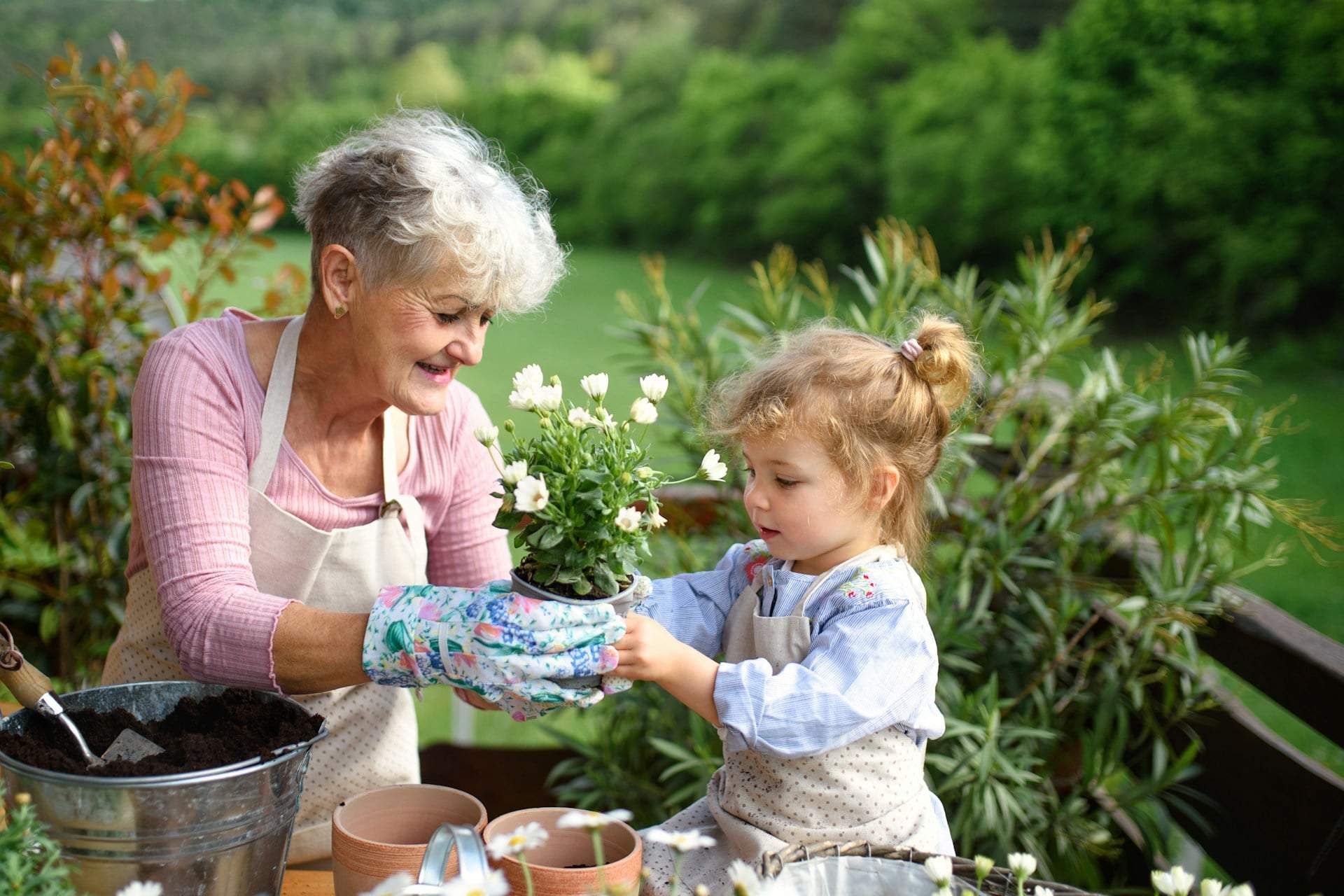
The kitchen smells of cinnamon and warm pastry. A freshly baked loaf is cooling on the counter while a seven-year-old girl runs in, eager to steal a slice. Her grandmother smiles — then, without a second thought, says: "Oh sweetheart, you really do eat everything, don't you. No wonder you look the way you do." The little girl's face goes still for just a moment. She sits down and eats anyway. But somehow, the pastry doesn't taste the same anymore.
These comments are almost never meant to hurt. But children don't have the same filter adults do. What sounds like a harmless joke to a grown-up lands as pure fact in the mind of a seven- or eight-year-old. If grandma says it, it must be true.
Why a single sentence can stay with a child for years
A child's self-image is largely built from what the trusted adults in their life say about them. The more often they hear the same message from someone they love, the deeper it takes root. A grandmother isn't a stranger or a passing acquaintance — she's one of the people a child feels most safe with. That's precisely why a judgment about their body, their behavior, or their abilities carries far more weight coming from her than it ever would from a classmate.
Comments about body size and appearance are especially stubborn. They have a way of lingering long after childhood ends.
An everyday remark like "don't eat so much or you'll get chubby" can resurface decades later — when someone is standing in front of a mirror and suddenly hears that voice again, clear as ever, inside their own head.
It's not always about the body
The damage doesn't only come from comments about appearance. It can come just as easily when a grandmother consistently compares one sibling to another — or when, after a bad grade, a dropped plate, or a moment of shyness, she says something like, "you'll never be as capable as your sister, will you." In that moment, the child doesn't just experience failure in the situation. They begin to see themselves as the failure. That's the difference between a remark that fades and one that takes hold.
Many adults describe how, when working through low self-esteem, body image issues, or a constant need to prove themselves in therapy, they eventually trace it back to a specific childhood scene — and it's often connected to a grandparent. Not because grandparents were cruel, but because they were the ones whose words a child accepted without question.
When love and hurt get tangled together
One of the hardest things about all of this is that these comments almost always happen inside moments of love. Grandma is stroking the child's hair, setting down a plate of cookies, pulling them in for a hug goodbye. The child can't separate the warmth from the sting, so they quietly absorb both at once — learning, without realizing it, that love sometimes comes with being told what's wrong with you.
That tangle is exactly what makes these memories so difficult to unpack in adulthood. You can't simply feel angry at someone who was also one of the greatest sources of love in your childhood. Instead, a strange, hard-to-name feeling stays lodged somewhere inside — and it surfaces years later when someone says something similar, and you can't quite explain why it hit you so hard.
Most grandmothers would say things very differently if they knew their grandchild would still be carrying those words as an adult. The trouble is, you almost never know in the moment which sentence is the one that sticks — and which one simply drifts away with the smell of cinnamon and a quiet afternoon in the kitchen.
What can parents do?
If you notice that your child seems quieter after time with a grandparent — or makes an unexpected comment about their own body or abilities — it's worth gently opening a conversation. You don't need to turn it into a confrontation. Simply giving a child the words to name what they felt, and reassuring them that one person's offhand remark doesn't define them, can go a long way toward softening the impact.
And if you're a grandparent reading this: the fact that you're thinking about it at all already matters more than you know.
Does a child really remember things said so casually?
Yes — especially when the comment comes from someone they deeply trust. Children absorb the opinions of close family members as truth, not as just one perspective. A throwaway remark from a beloved grandmother carries a very different weight than the same words from a stranger.
What kinds of comments do the most lasting damage?
Comments about body size and appearance tend to be the most persistent. But comparisons between siblings — or remarks that tie a child's worth to their performance or behavior — can be equally harmful. The common thread is anything that makes a child feel like they, as a person, are the problem.
Is it possible to heal from this kind of childhood experience?
Yes. Many adults work through these patterns in therapy, often by tracing their self-doubt or body image struggles back to specific childhood moments. Simply recognizing where a belief came from — and understanding it was never an objective truth — is often the first step toward letting it lose its grip.
How can parents help without creating conflict with grandparents?
You don't need a dramatic confrontation. A calm, private conversation — framed around the child's wellbeing rather than blame — is usually far more effective. Most grandparents genuinely don't realize the impact of what they've said, and a gentle word from a parent is often enough to shift things.