I know how this sounds. Maybe even a little cruel. Most children of divorced parents describe the split as a trauma, and they aren't lying or being dramatic. What they say is true. My story is just different, because in my family the trauma wasn't that they divorced — it was that they waited so long to do it.
What our home was really like
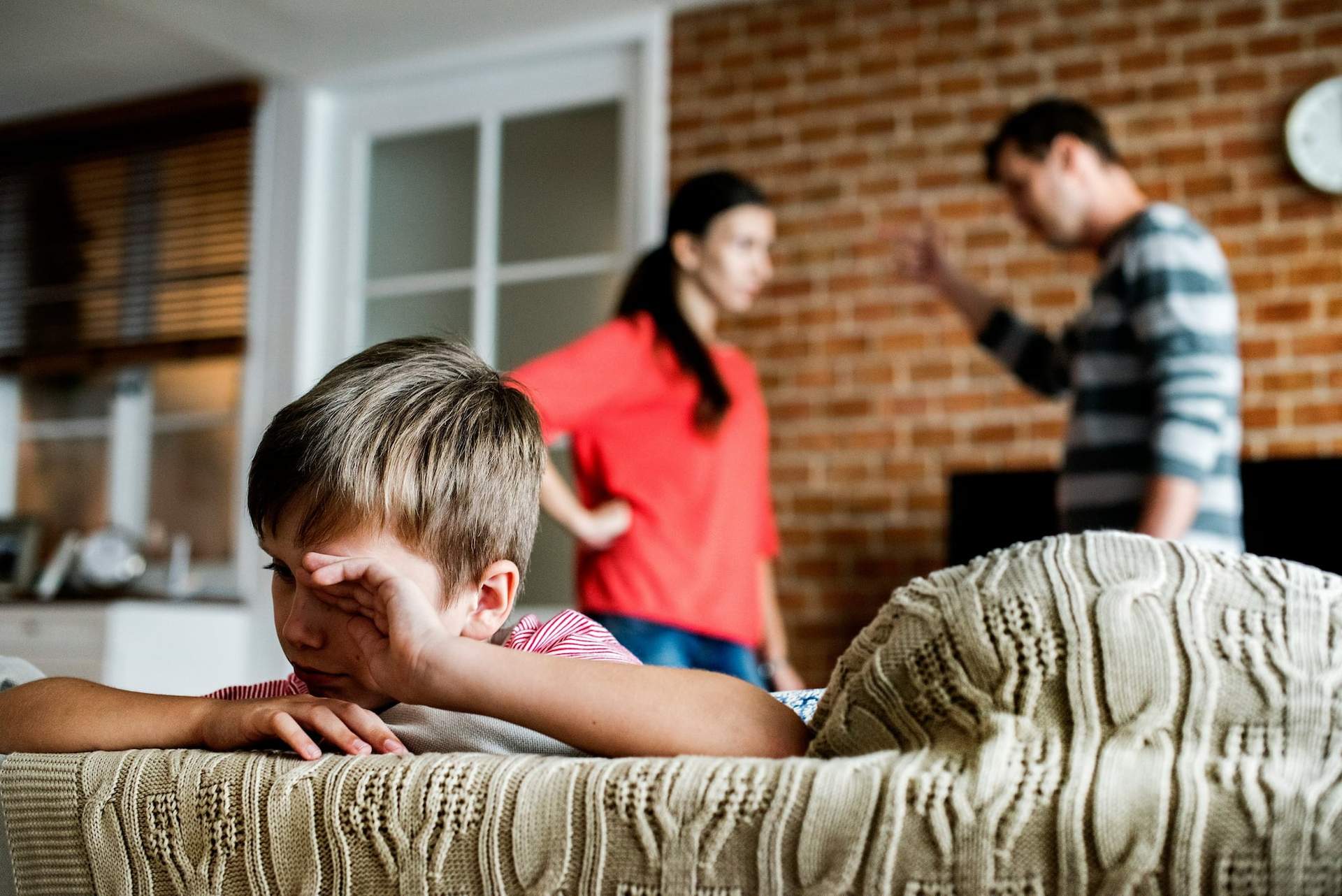
I know plenty of people had far harder childhoods than I did, and I don't want to blur those lines. There was no abuse. There was no going without. But there was something that can quietly be worse than open conflict: a constant, low-grade tension that was always in the room, yet no one ever named it.
The kind of silence that isn't peace, but swallowed sentences. The particular tone parents use with each other that makes you sense, even as a child, that something is off — you just can't put your finger on what. And somehow that makes you more anxious than if you actually knew.
I remember, as a small child, always reading the air in the room. I couldn't have explained it back then, but I knew exactly when it was tense and when it wasn't. I learned to read the signs — the tone of voice, the posture, the particular flavor of the silence. That kind of vigilance isn't healthy in a child. It's adaptation, not safety.
What I was waiting for, without knowing it
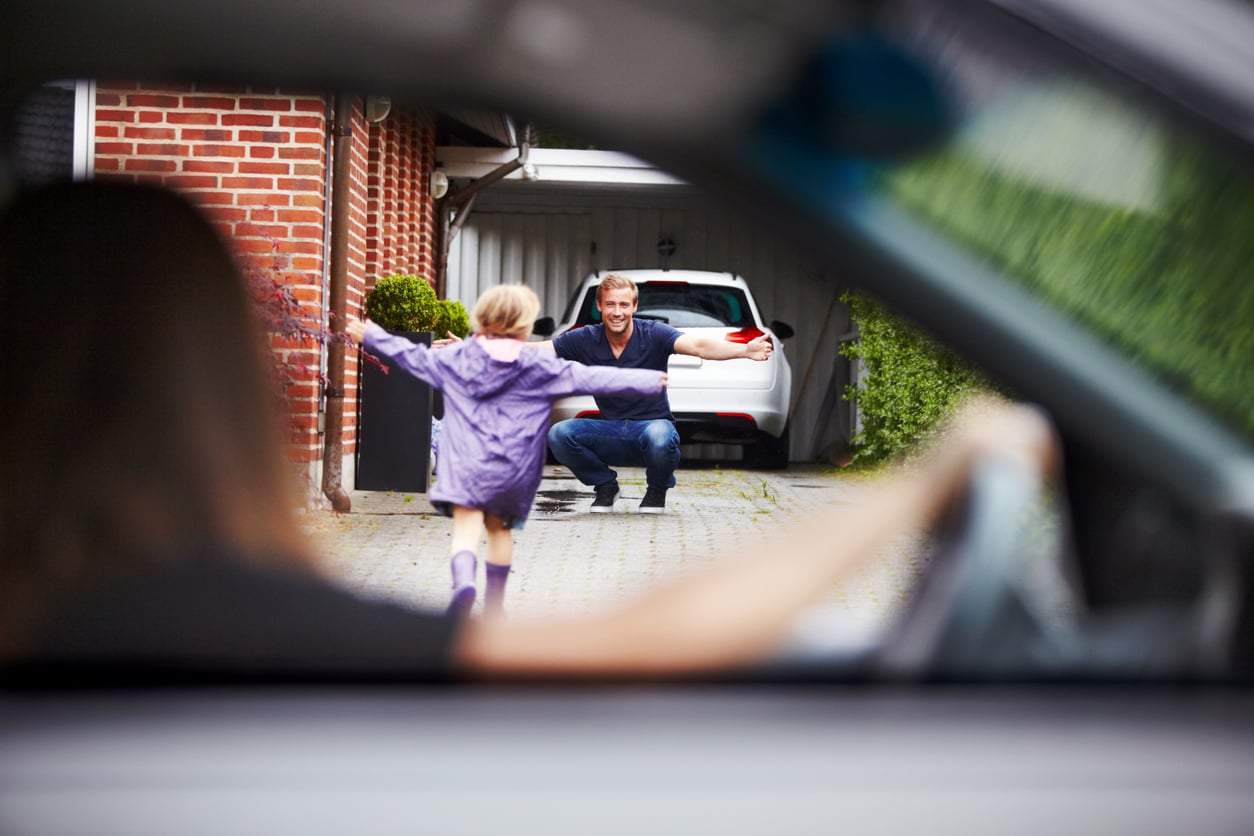
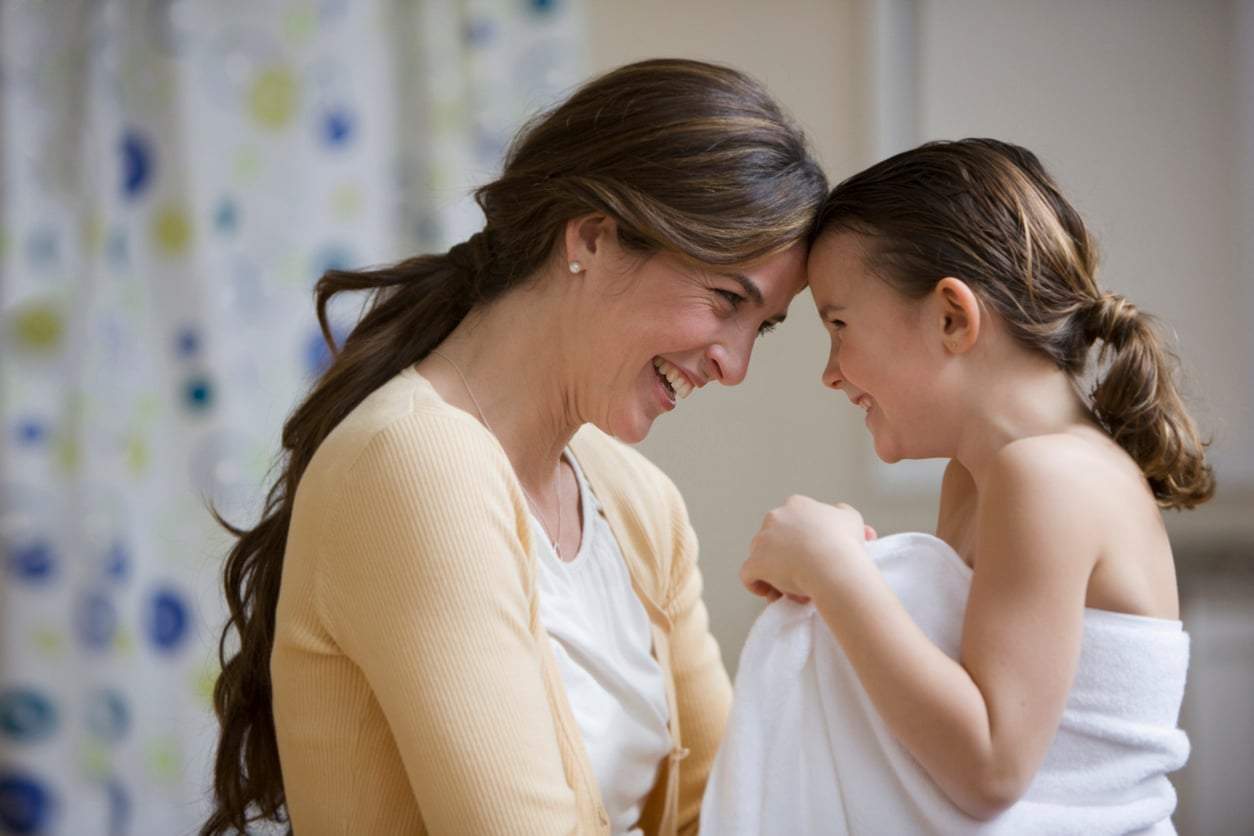
For a long time I assumed every home was like this. Then I started spending more time at my friends' houses, and I realized it wasn't true. That in some homes a mother and father laughed while telling each other a story over dinner. That in some homes parents held hands, and it looked natural, not staged. That in some homes the house really was a refuge — not a place you couldn't wait to leave the moment you were old enough.
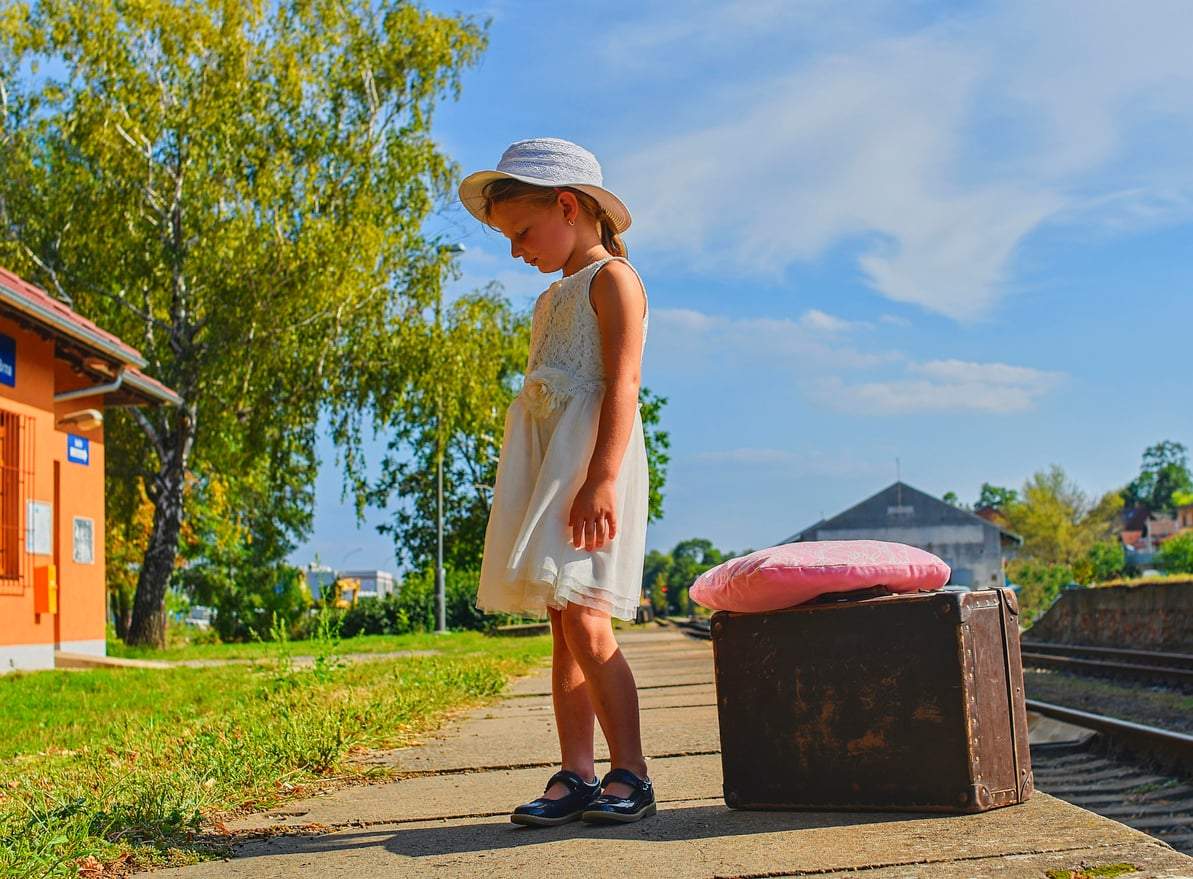
I left at eighteen. Not out of anger, more out of instinct — I sensed I needed the kind of air I never got there. University, a rented room, my own space: they all meant freedom at the same time, and the fact that I no longer had to monitor the air in the room.
The day it finally happened
In my early thirties, my mother called. I could tell from her voice that something big had happened. She told me they were getting divorced. There was a beat of silence on both ends of the line, and then I asked her: how are you? She said she was doing well. And from that "well," from the sound of her voice, I knew she meant it.
I hung up, and the first feeling that came wasn't sadness. It was relief. Clean, unmistakable, almost physical relief — as if something that had been pressing down for decades had finally let go.
Then the guilt came right after — guilt for feeling relieved. And above the guilt, something that might have been sadness — but not about the divorce itself. More about all the years that came before it.
The relief I was ashamed of
I didn't tell anyone I felt relieved. How could I? "You know, my parents got divorced, and honestly, I'm glad." You don't say that out loud, because it immediately invites the question: what's wrong with you, don't your parents love each other, or what?
In our collective mind, divorce is tied to grief. And grief isn't tied to joy. But then I started reading about it, and I realized I wasn't alone. That there's a whole group of adult children whose parents lived in unhappy marriages, and who felt exactly this when it finally ended. Relief. The sense that, from now on, at least there's no more pretending. From now on what they saw would be true — two people living apart, and maybe both of them happier for it.
What changed afterward
My relationship with my mother became something else. Better, deeper, lighter, more real. Like someone who had finally set down a weight she'd carried for years, and could suddenly move more freely. She started laughing differently. She began doing what she actually wanted, instead of what a marriage says you're supposed to. I watched something slowly return to her that I had never known in her — a lighter version of herself.
Things settled with my father, too, in their own way. Not closer, but clearer. When you don't have to keep up a shared image, you can be more yourself — and that's easier to be around, as well.
What my parents' divorce taught me
From my parents I learned that the years spent in an unhappy relationship leave a mark on everyone — on the ones inside it, and on the ones growing up beside it. That a child doesn't protect you from anything; it only delays. And that keeping up appearances is not the same as stability, even when it looks like it from the outside.
By now, I've made peace with how everything unfolded. As a child I imagined so many things differently, but what it all became — that, I can accept.
Why would someone feel relieved when their parents divorce?
When a home has been filled with constant, unspoken tension, a divorce can feel like the end of years of pretending. For some children, it's the first time the reality they see finally matches what they've always felt.
Is it normal to feel guilty about that relief?
Yes. Because divorce is so strongly linked to grief in our collective mind, feeling glad can seem wrong. But as this story shows, many adult children of unhappy marriages experience exactly this mix of relief and guilt.
Can staying together "for the children" actually harm them?
A child doesn't shield a marriage from its problems — it only postpones them. Living inside constant tension can teach a child a kind of vigilance that is adaptation, not safety.
Can relationships with parents improve after a divorce?
They can. In this story, both parents became more themselves once they no longer had to maintain a shared image — and that made the connections feel clearer, lighter and more genuine.