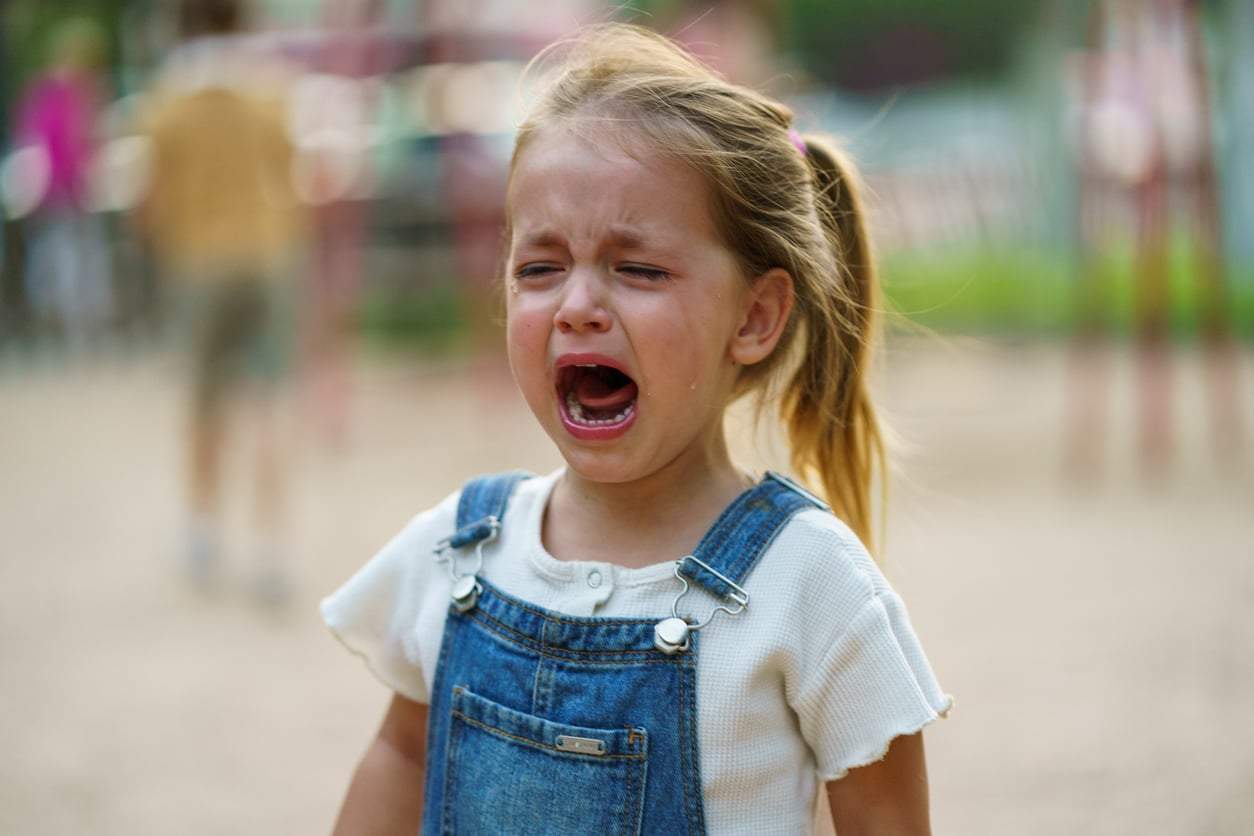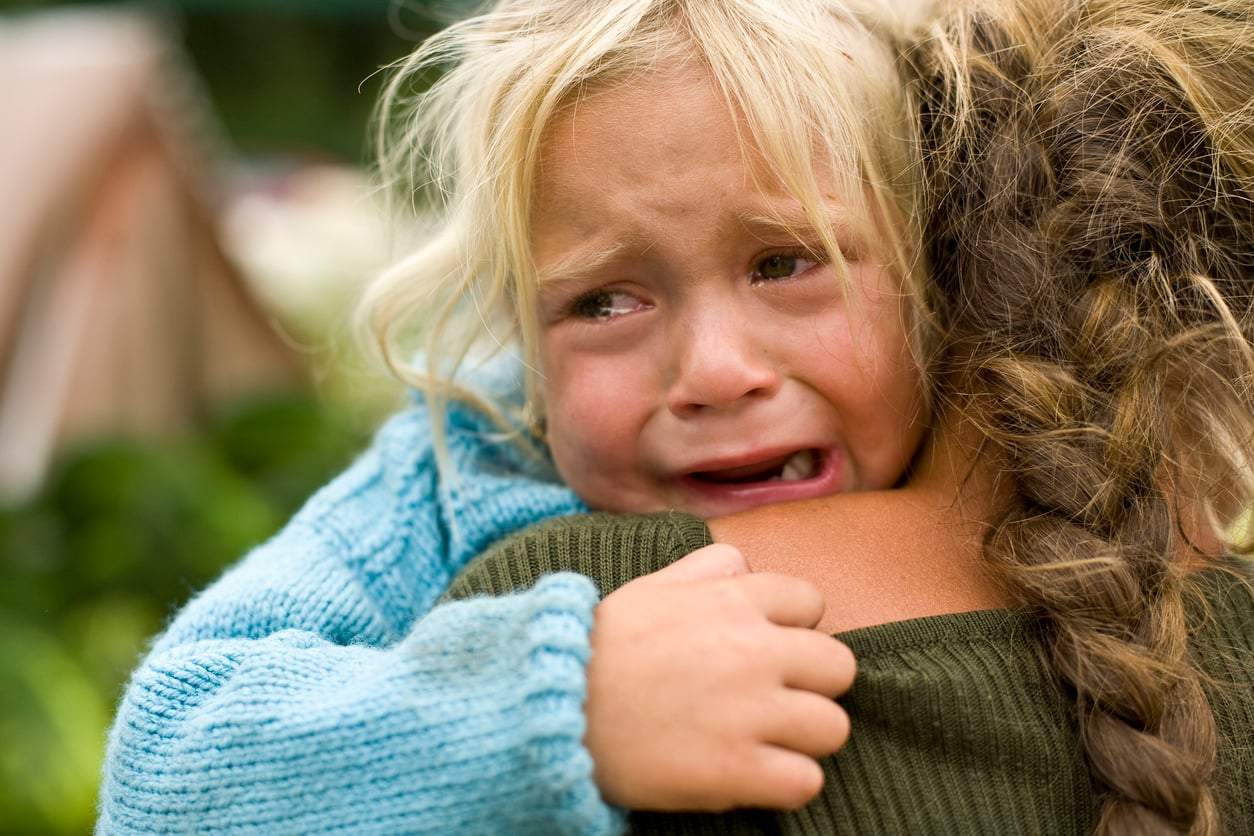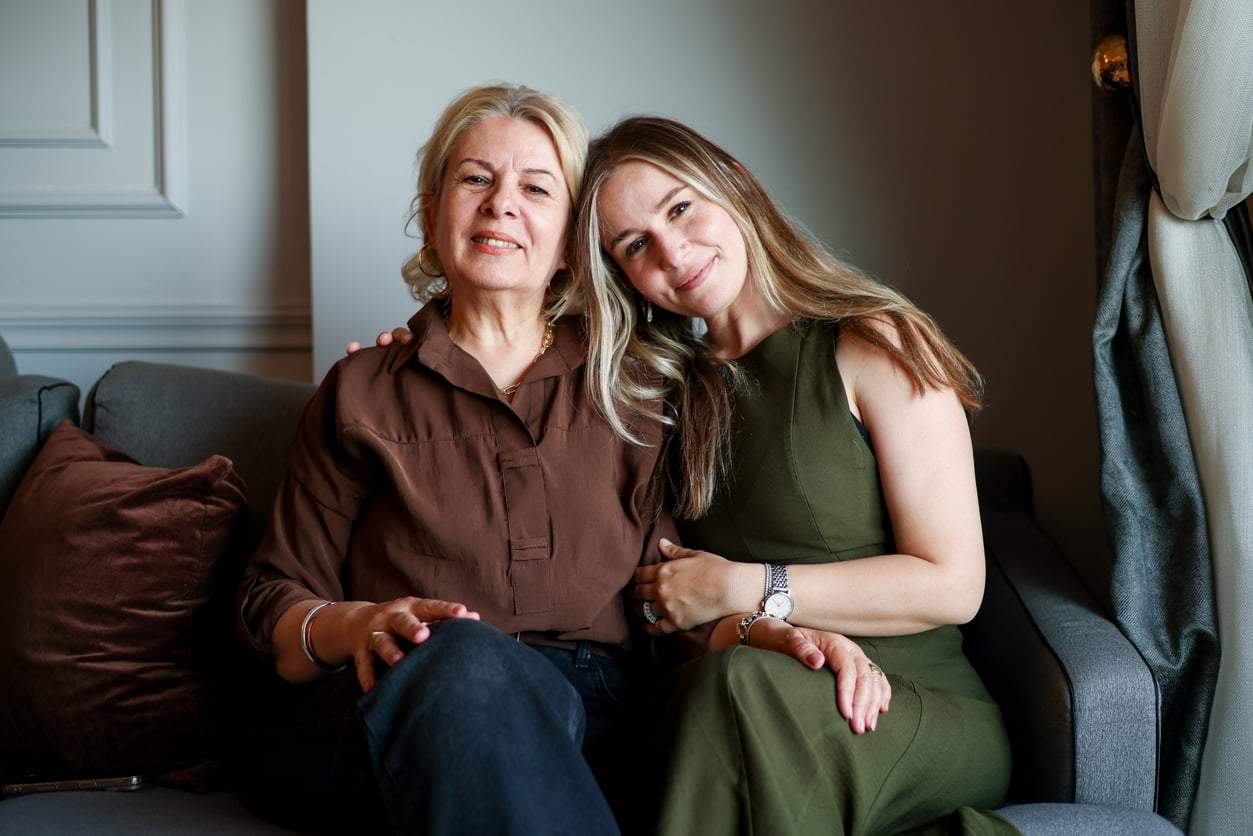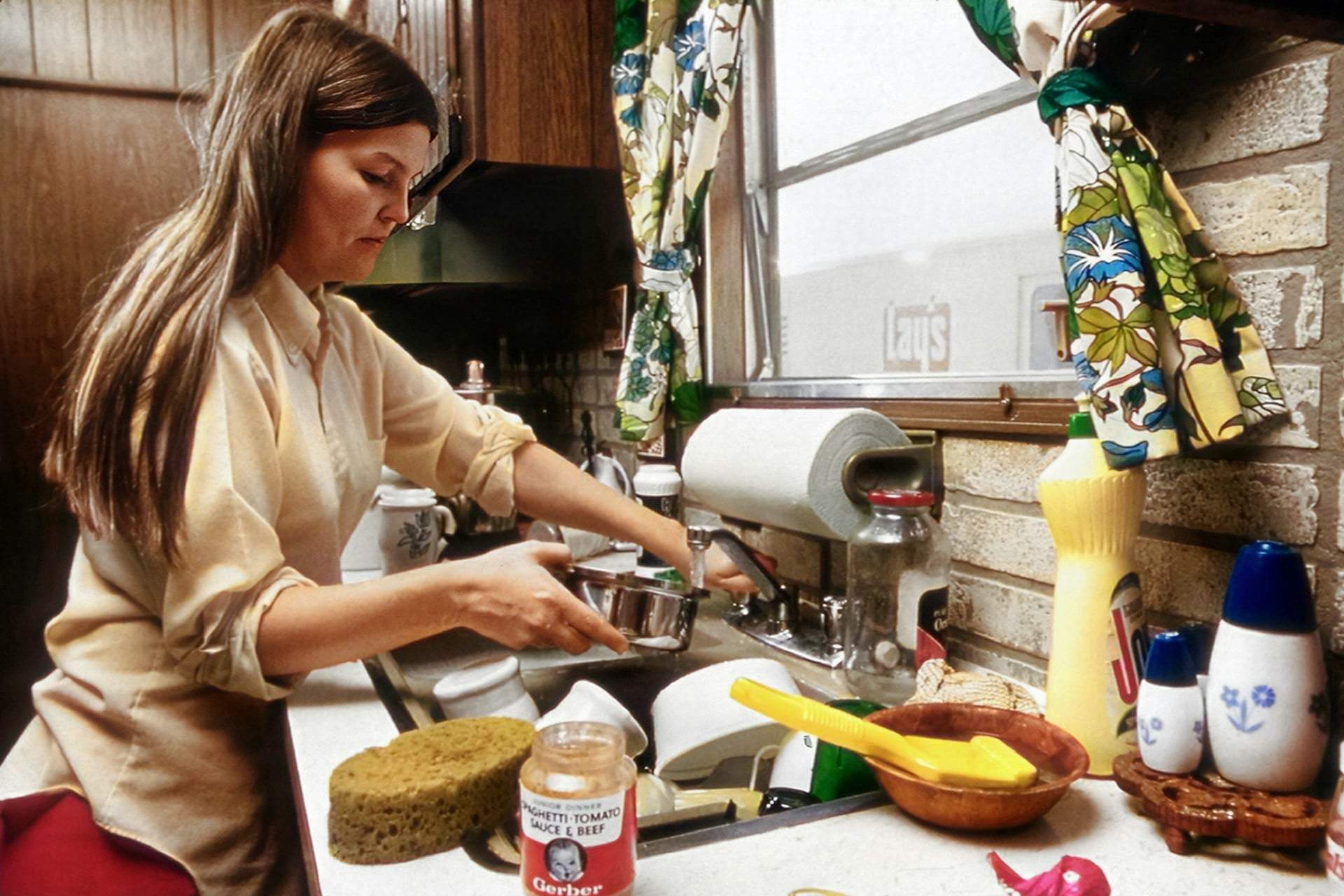
I was eight years old when my mother packed my old plaid suitcase on a Wednesday afternoon and told me I'd be staying at Grandma's for a while. I remember the smell of that suitcase — something musty and old — and the way the zipper stuck when we tried to close it. I didn't cry. I just stood in the kitchen doorway and watched her hold the handle, as if she didn't want to let go, and yet she was holding it out to me.
My grandmother's house was two streets away. Not far at all — but a completely different world. A different bed, a different soap, and at night it wasn't my mother's voice reading to me. Just the low hum of the radio drifting in from the kitchen. I was convinced I'd been sent there as punishment. A few days earlier I'd knocked over a vase in the living room, and the air at home had felt tight ever since. In the dark, I'd lie awake trying to figure out what I'd done wrong — why my mother had let me go so easily.
"Not yet, sweetheart — not yet"
She visited once a week, always at the same time, always a little rushed. Her face looked strange and strained back then — dark circles under her eyes, her voice quieter and more careful than I'd ever heard it. Once I asked her if I could come home yet. She just said, "Not yet, sweetheart. Not yet."
She never explained why. And I became more and more certain that, for some reason, she didn't need me the way she used to.
That went on for almost a year. Then one day, we moved into a new apartment — far from the old one — and my father wasn't with us anymore. I didn't ask many questions. I was a child; I was just happy to have my own room back and to fall asleep to the sound of my mother's voice reading over a book. It wasn't until years later, in my twenties, that we finally sat down together at the kitchen table one evening. That's when she told me: during those months, my father had been drinking, and when he drank, he became unpredictable — loud, sometimes frightening. My mother didn't want me to see any of it. She didn't want me absorbing his anger, his outbursts, the sound of things breaking, night after night.
She wasn't pushing me away — she was protecting me
When she said that, I fell back into my eight-year-old body for a moment — the little girl standing in the doorway with her suitcase. I felt my throat tighten, exactly the way it had then. Except now I knew what was behind that feeling. My mother reached across the table and put her hand over mine, the way she used to when I was scared of something. She said quietly: "I didn't want you to see what I was seeing some nights." The words were simple — almost ordinary — and yet they turned something inside me that I'd carried as a wound for years.
What I couldn't possibly understand as a child
I still think about those months at my grandmother's sometimes — the waiting, the radio hum, the unfamiliar smell of the soap. But I no longer think of them as a loss. Now they feel more like a strange kind of gift I didn't know how to receive at the time. There's still a small bitterness in me that she never explained it sooner — that she let me spend years believing she had loved me a little less back then. But maybe she was doing the only thing she could with the strength she had left.
I'm an adult now, with a child of my own. Sometimes, when I close my daughter's bedroom door at night, I think of that old suitcase. I honestly don't know whether, faced with the same situation, I'd make the same choice — whether I could send her somewhere safe and trust that she'd understand one day. What I do know is that ever since that kitchen table conversation, I look at my mother's hands differently — the way she folds them together on the table, as if she's still holding something she's not quite ready to let go of.
Can a child really misread a parent's love?
Absolutely. Children interpret the world through very limited emotional and cognitive tools. When a parent makes a protective decision without explaining it, a child's mind will often fill in the gaps with self-blame — assuming they did something wrong or are somehow less loved.
Is it better to tell a child the truth about a difficult family situation?
There's no single answer, and it depends heavily on the child's age and the nature of the situation. Many parents, like the mother in this story, choose protection over explanation — shielding a child from adult pain, even at the cost of temporary confusion or hurt.
How do family secrets affect us as adults?
Unspoken family experiences can quietly shape how we see love, trust, and our own worth for years. Understanding the truth behind a childhood memory — even decades later — can shift deeply held feelings and allow genuine healing to begin.
What does it feel like to reframe a painful childhood memory?
As this story shows, it can feel disorienting at first — like falling back into a younger version of yourself. But it can also be profoundly freeing, turning something that felt like rejection into evidence of love expressed the only way it could be at the time.