At twelve, I was convinced my mother simply didn't love me enough. That was the whole explanation in my head — the neat little sentence I whispered to myself while staring at the ceiling at night, trying to understand why every small thing she said hurt so much.
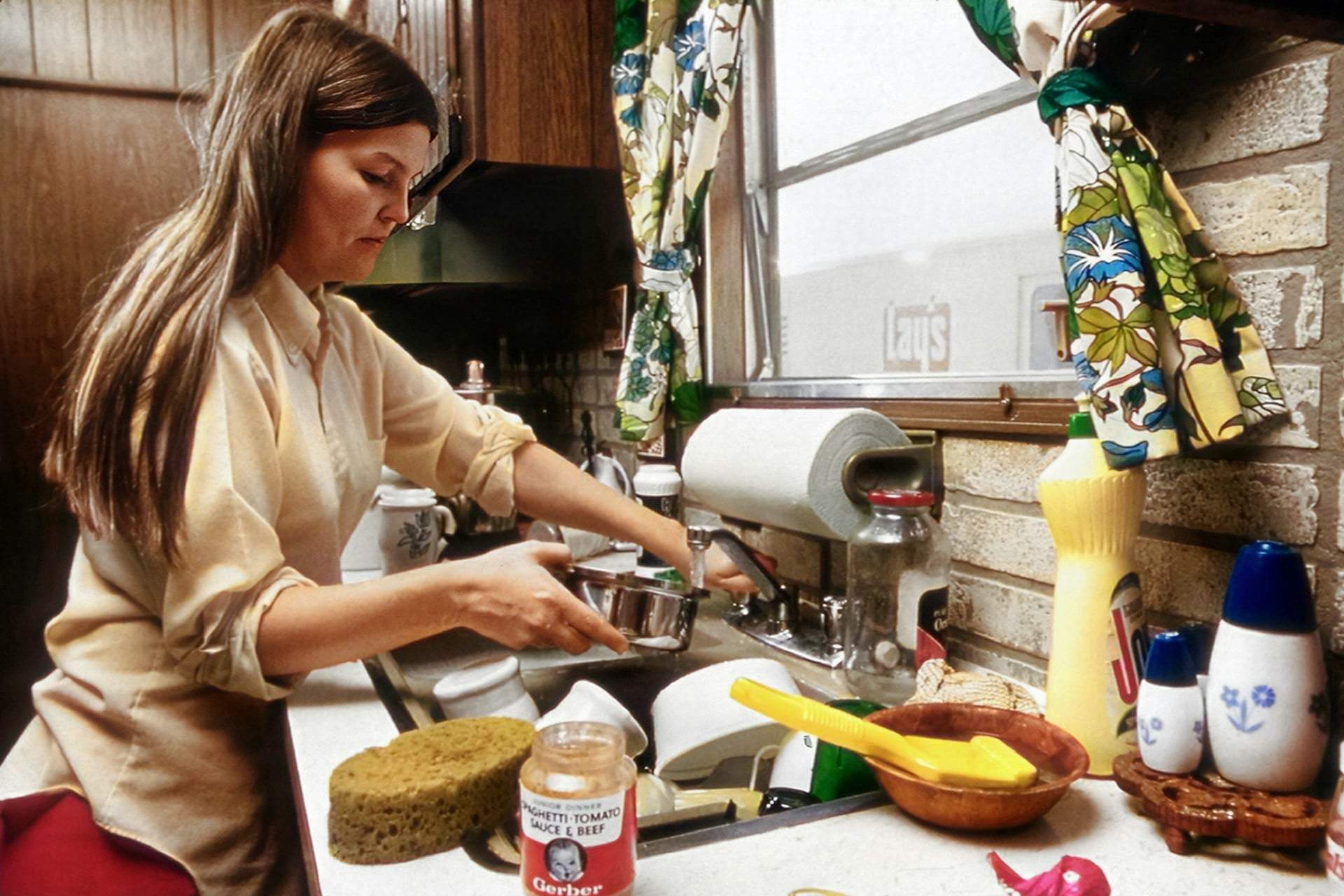
It happened in our kitchen, on a Wednesday evening. My father wasn't home from work yet, and the pasta was steaming on the stove. I asked if I could sleep over at my friend's house that weekend. Without even looking at me, she said, "We'll see if you deserve it." I remember the spoon pausing in her hand for a second, then stirring on as if nothing had happened. And there I was, standing in the doorway, feeling my throat tighten.
That one word — "deserve" — followed me through my whole childhood
Every good grade, every apology, every hug had to be earned somehow. If I had a bad day and burst into tears, the answer was to stop being so sensitive, or it would only cause trouble later. If I felt proud of myself for something, she was quick to add that I shouldn't get carried away, because it's easy to fall flat on your face.
As a teenager, I settled the whole thing in my mind with one word: my mother was cold. It was the convenient label, the one I could give my friends when they asked why I never wanted to go home. Cold, distant, strict. Those words let me package up something I didn't actually understand at all.
In my twenties, during one late-night conversation, my grandmother told me something I had never heard before. She said my mother had given birth to my older brother completely alone at nineteen, because her father — my grandfather — had walked out on the family right at that moment, and there was no one for her to lean on. From that day on, my grandmother said, my mother always believed that if she wasn't strong enough, if she wasn't hard enough, everyone who mattered to her would leave.
I realized I wasn't "not enough" for her because she didn't love me — it was because she had never learned how to love in a way that didn't hurt.
This realization didn't fix anything overnight — I have to be clear about that. It wasn't like in the movies, where you suddenly understand everything and life becomes easy from then on. If anything, for a while I got even angrier. I kept thinking: if she knew how awful it was to grow up never hearing that you're enough, then why did she pass the exact same thing on to me?
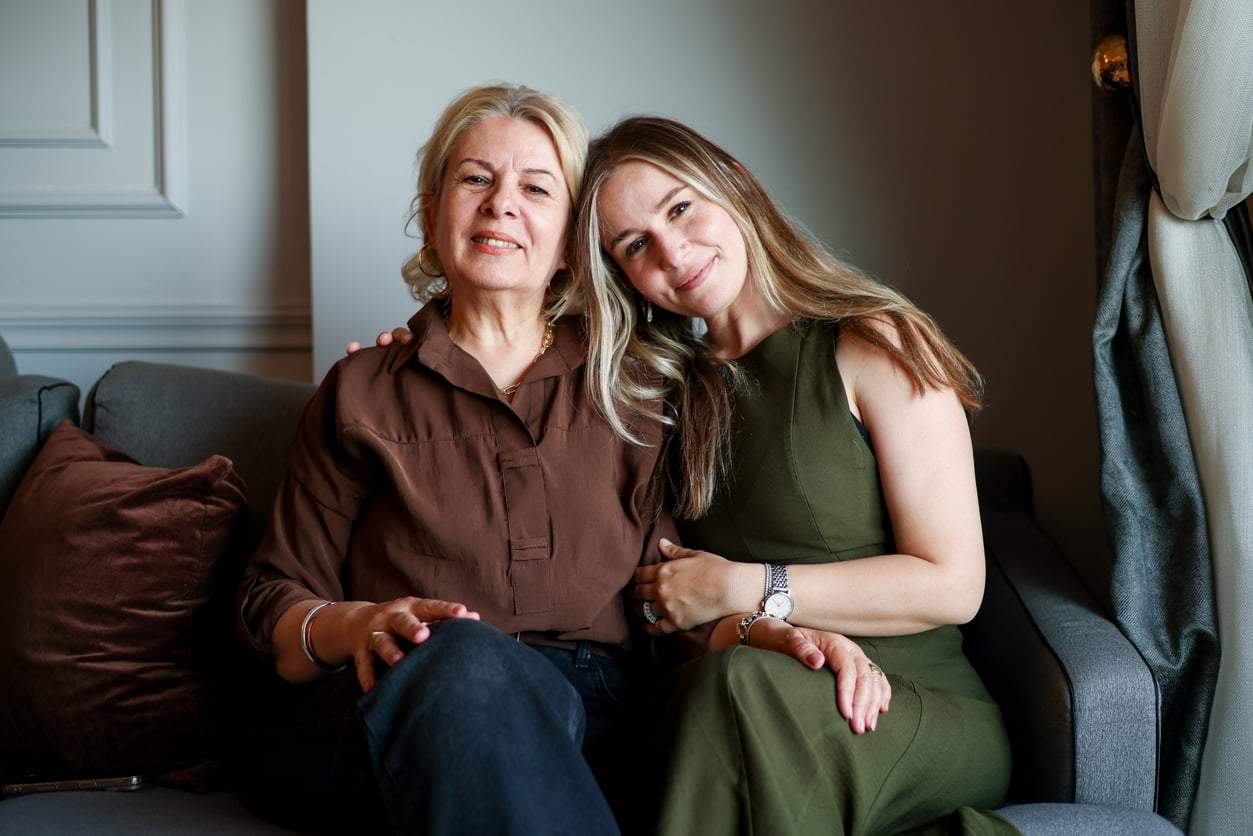
One Sunday afternoon, when I went over to their place for lunch, I tried to say all of this to her. It didn't go very well. I jumbled my sentences, I started crying over my soup, and she just sat across from me, looking at me as if she didn't understand what I was talking about. Finally she said, quietly, almost in a whisper, "I always thought I was protecting you by not spoiling you." There was something so fragile in that sentence — something I had never seen in her before.
I can't say everything is different now
There are still days when the old voice speaks up inside me, when one of her comments makes me feel twelve years old again, standing in that kitchen doorway. But I no longer try to shrink it all down to a single word — cold — when what it really was, was two generations' worth of fear and learned survival, layered together.
Sometimes I wonder what I'll pass on without even noticing — and that thought still frightens me more than anything I ever heard from my mother.
Why do some mothers struggle to show warmth?
As this story shows, a mother's harshness often has less to do with her child and more to do with her own past. Fear, abandonment and a belief that toughness equals safety can shape how she expresses — or withholds — love.
Can understanding a parent's past really change the relationship?
Understanding helps, but it doesn't erase the pain instantly. As the writer discovered, insight can even bring more anger at first — real change comes slowly, through honest conversation and time.
Is it normal to still feel childhood wounds as an adult?
Yes. Certain words or moments can instantly bring back old feelings, making an adult feel like a child again. The difference is learning to see those reactions for what they are, rather than defining a parent by a single label.
How can I avoid passing my own wounds on to my children?
The fear of repeating the past is itself a sign of awareness. Recognizing the patterns you inherited — like the belief that love must be earned — is the first step toward not handing them down unnoticed.