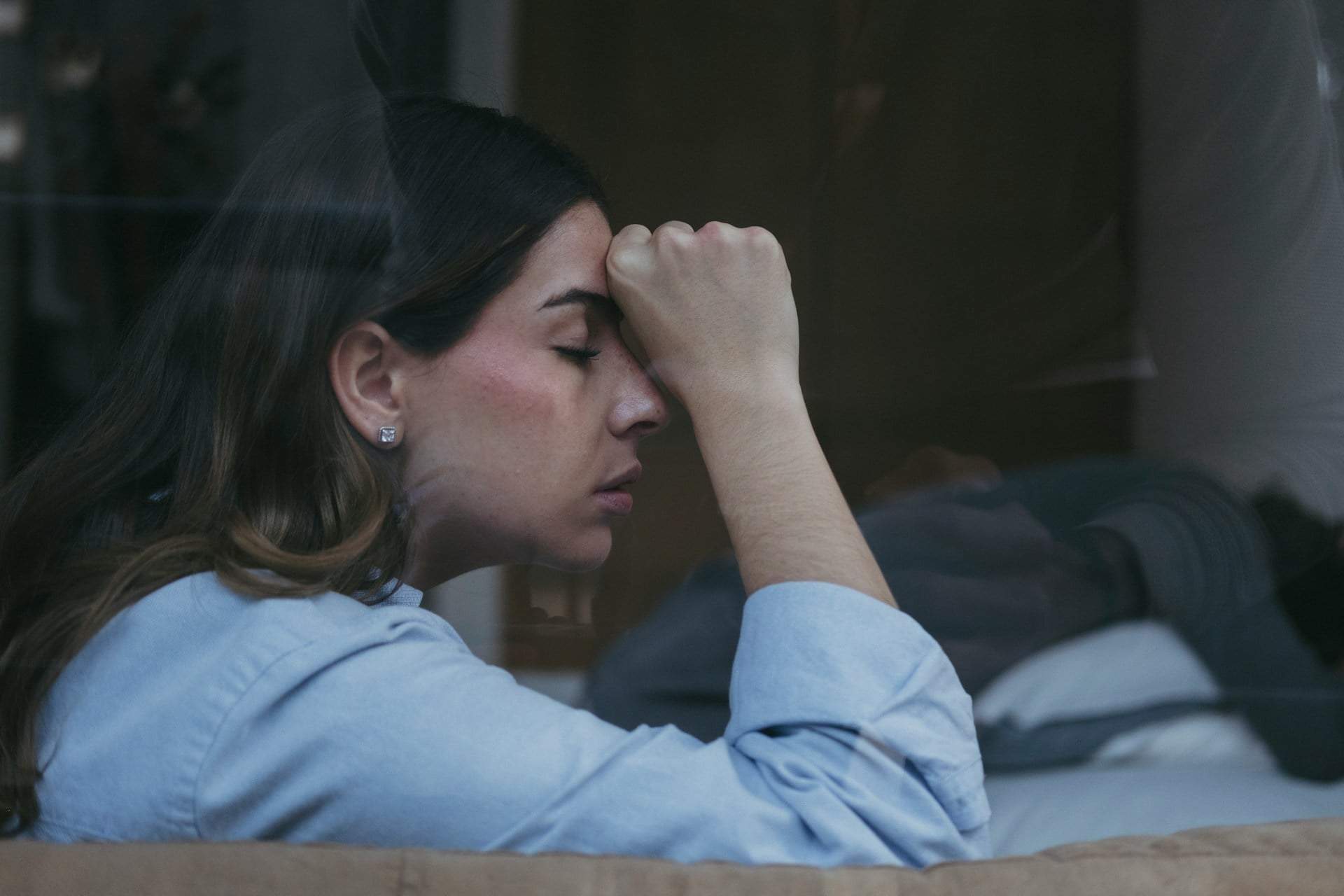
I was standing in the kitchen, a still-warm mug of tea in my hands, listening to the front door click shut behind him. I didn't cry. That was the strangest part of all: after fourteen years of marriage, I expected to crumble. Instead, a strange lightness settled over my chest, as if I'd finally set down a backpack I'd been carrying for far too long.
When only habit is holding you together
My daughter was six then, my son was two. For the last year and a half, almost every night the same thought circled my mind: when would the moment come that I could no longer keep up the lie — that we were fine, that we were fine, that we were just tired?
He worked, I worked, the kids grew, and between us there was less and less love and more and more logistics: who takes them to preschool, who picks them up, who pays the bill. I remember one dinner when my little boy was excitedly telling us about some dinosaur cartoon, while the two of us stared silently at our plates — and neither of us really heard a word he said.
When we finally said the word "over," I thought it would be the end of my world too. Instead, a month later — the first time the kids stayed with me alone while he took them to their dad's for the weekend — I sat in the living room with a glass of wine and realized that for two whole hours, nothing had been tightening in my throat.
I didn't miss him. I missed the kids, of course — I always missed them when they weren't with me. But I didn't miss the tension that used to hang in every room, like an invisible curtain.
I wasn't grieving the man I'd lost. I was secretly mourning the woman who spent years believing she had to endure everything.
If any of this sounds familiar, you might recognize yourself in the quiet ways a bad relationship convinces you to stay long after the love is gone.
The relief that was hard to admit
My friends asked how I was doing, carefully, as if visiting someone at a hospital. I always said I was okay — which was true, just not in the way they imagined.
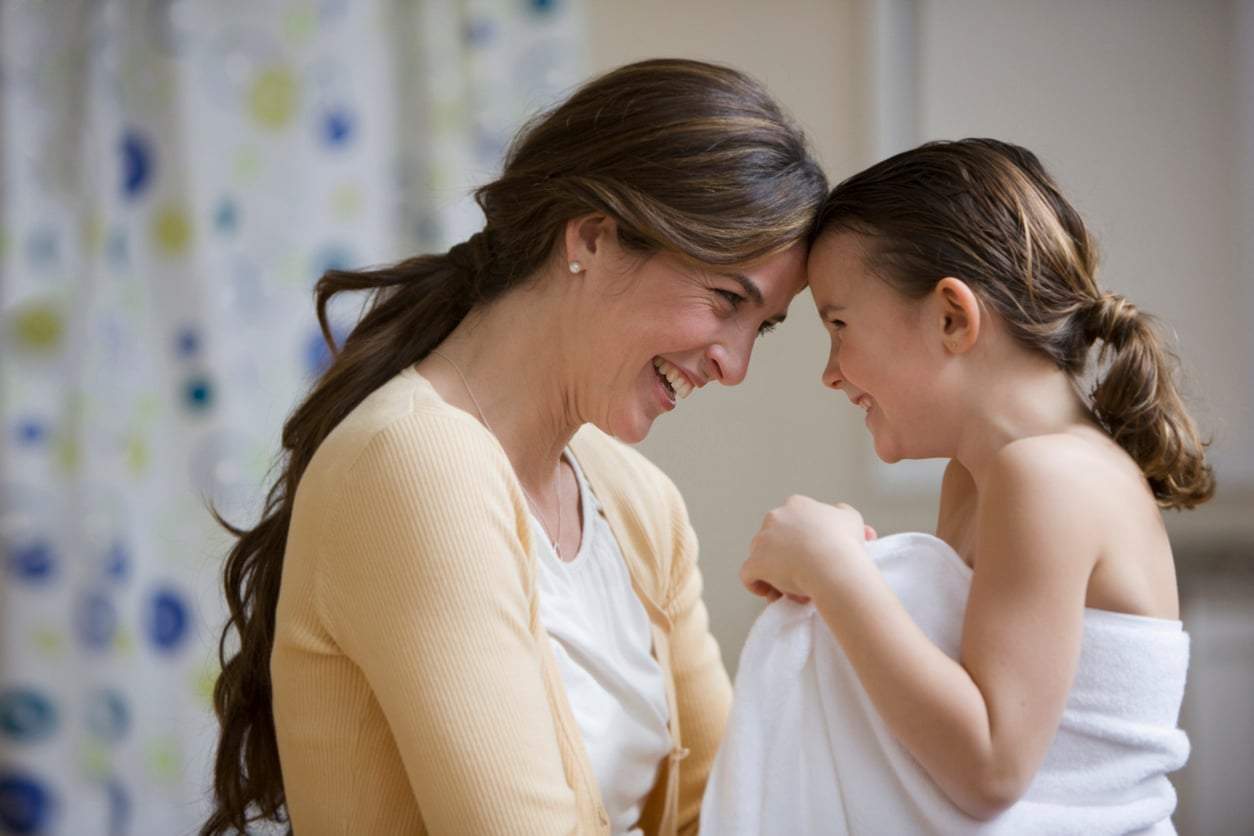
One evening, maybe three months after the divorce, my little girl asked if I was sad that Daddy didn't live with us anymore. And instead of reaching for the usual reassuring lines, I answered her honestly: sometimes, yes, but more often it's actually easier this way.
She just nodded and went back to her drawing, as if that answer were the most natural thing in the world — while my hands trembled, because I'd finally said it out loud.
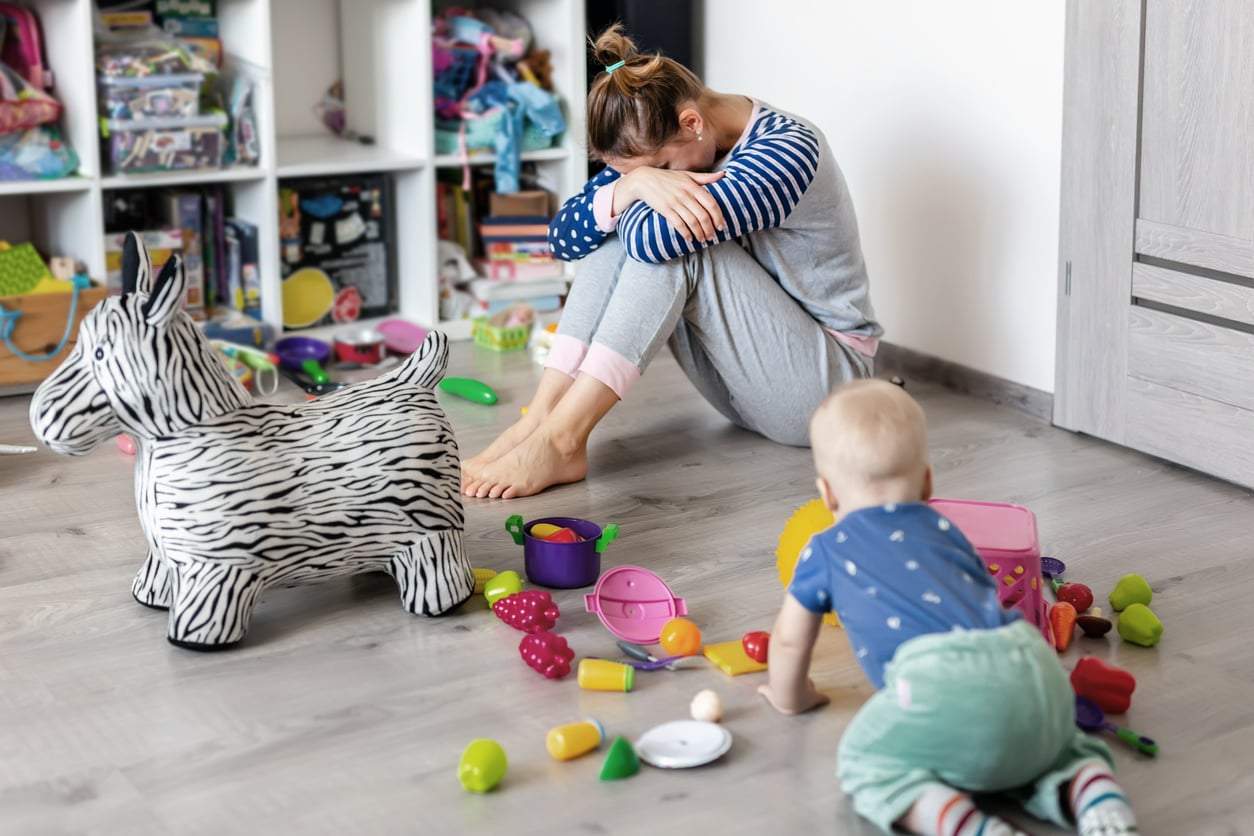
It was a strange weight to carry that relief, knowing exactly what's expected of a divorced mom starting over: that she should be sad, that she should struggle, that she should grieve the broken family for her children's sake.
Instead, I often caught myself cheerfully tidying the kitchen on Sunday nights, after bringing the kids home from their weekend, enjoying the fact that I didn't have to explain to anyone why I hadn't cooked a proper dinner or why we'd watched three cartoons in a row.
Why did feeling good make me feel so bad?
There was a period when I actually felt guilty about that lightness. I sat in a therapist's office — because I got there too, at one point — and told her I was a terrible person for not suffering enough.
She only asked me one thing: who told me a divorce requires suffering?
I couldn't answer right away. I just sat there, staring at the ficus in the corner of the room, trying to understand that maybe what I'd always assumed was "normal" simply wasn't.
A few years on, I see it differently
Today, a few years later, my son sometimes asks if Daddy is going to move back in, and I always tell him the same thing: no, but all three of us are doing just fine the way we are.
For now, he accepts it. Though I suspect that one day he'll ask more, dig deeper — and when he does, I'll have to reach for that same lightness I once felt alone in the kitchen and explain it to him in a way that doesn't make him feel something bad happened to us the day that door clicked shut.
Is it normal to feel relief after a divorce?
Yes. As this story shows, the end of a relationship doesn't only bring pain — for some people it brings a genuine sense of relief, especially when the marriage had already become tense and distant.
Why do some people feel guilty for feeling better?
Because there's a strong expectation that a divorce should be accompanied by suffering. When someone feels lighter instead, that mismatch with what's "supposed" to happen can trigger unexpected guilt.
How can you explain a divorce to young children?
In the article, the mother keeps her answers simple and honest — telling her children that the family is doing fine the way it is now, without framing the separation as something bad that happened to them.