Opinion piece by Schuszter Borka
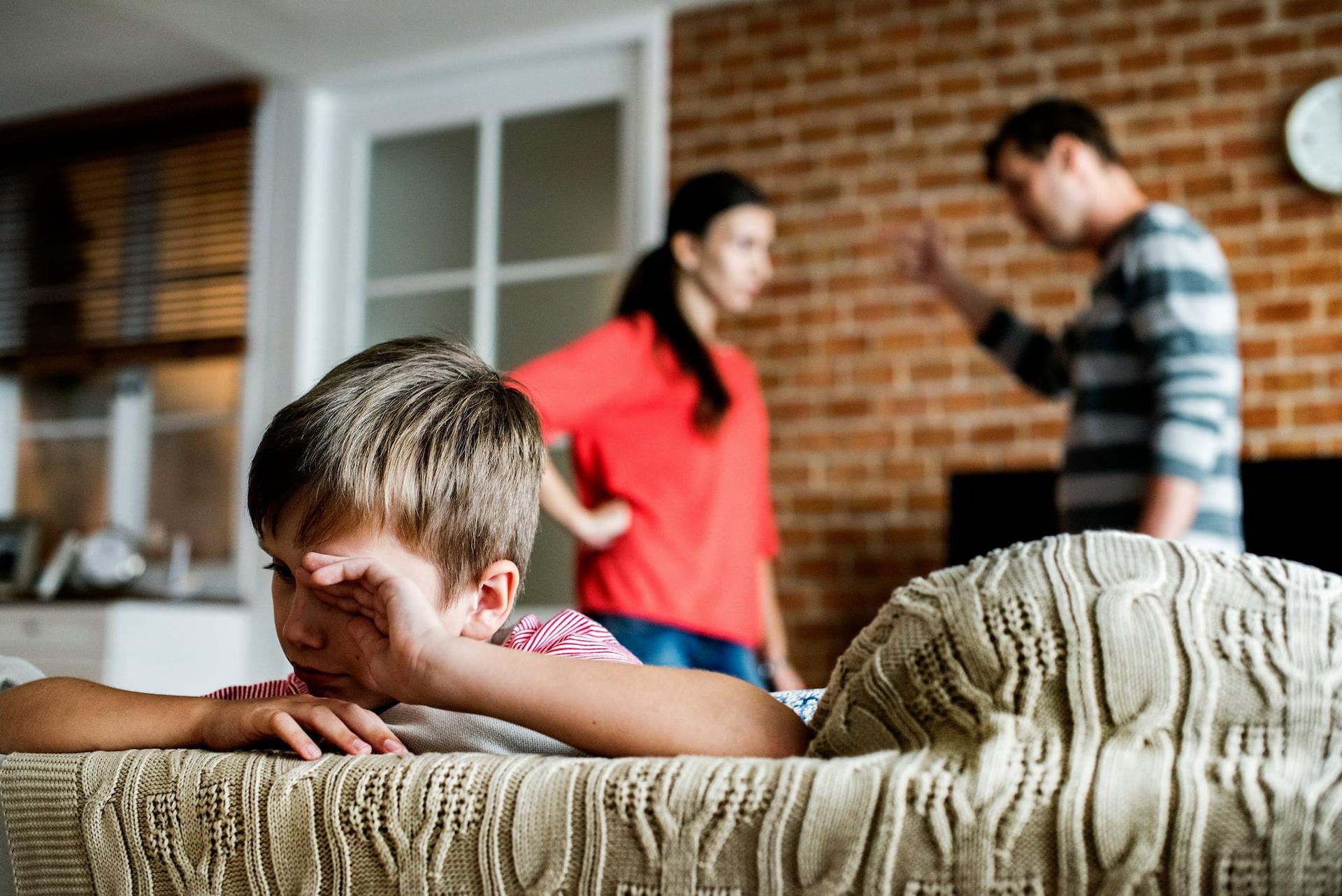
Growing up, I heard the same sentence more times than I can count: "It's not easy, but we're staying together for you kids." It was how arguments ended. How a fragile peace was restored. And how we all silently agreed to pretend that the table-slamming, plate-rattling fights had never happened.
I heard it so often that eventually I stopped questioning it. I accepted it as fact — something to take seriously, something to feel grateful for.
But as I got older, that sentence started to feel heavier
My parents' marriage was a space of constant tension. Behind even the most ordinary exchanges, something unspoken was always lurking — a quiet, grinding dissatisfaction. The arguments weren't occasional. They were a pattern. Sometimes hushed, mostly not.
As a child, I didn't frame it as "this is a bad marriage." I framed it as "this is just life." Every family had something like this, I told myself — they just didn't talk about it.
Then I grew up and started seeing other families. Ones where tension wasn't the default setting. Where conversations didn't feel like navigating a minefield. Where silence was calm, not threatening.
And slowly, a thought began to take shape — one I didn't dare say out loud for a long time: maybe it would have been better if my parents had divorced.
Not because they weren't good parents. Not because they didn't love us. But because the quality of their relationship created an atmosphere in which much of my childhood was spent on edge.
A single-parent home — but a peaceful one — might have given me a steadier foundation. A space where I didn't have to constantly monitor mood shifts, decode unspoken conflicts, or adapt myself to the friction between two people who couldn't find peace with each other.
And that makes the claim even harder to sit with: they stayed together because of us. Because if you take that seriously, you become — in some quiet, invisible way — responsible for a decision you never made. And as an adult looking back, the question lingers: am I supposed to feel grateful for something that also hurt me?
The truth, of course, is always more complicated
It's possible to love your parents and still clearly see how certain choices shaped you — not always for the better. It's possible to feel genuine gratitude for what they gave you and real grief for what they couldn't give each other.
And it's possible to say out loud: the greatest gift a parent can give a child isn't staying in a marriage at all costs. It's making sure that child has at least one peaceful place to come home to.
I'm not looking for anyone in my family to agree with this. And I have no interest in rewriting our history.
But I've learned that behind the words "we stayed together for you" there isn't only love. Sometimes there is also fear, helplessness, and perhaps self-deception — the story we tell ourselves about sacrificing for someone else, when really we're simply unable to walk away from a situation that's hurting everyone.