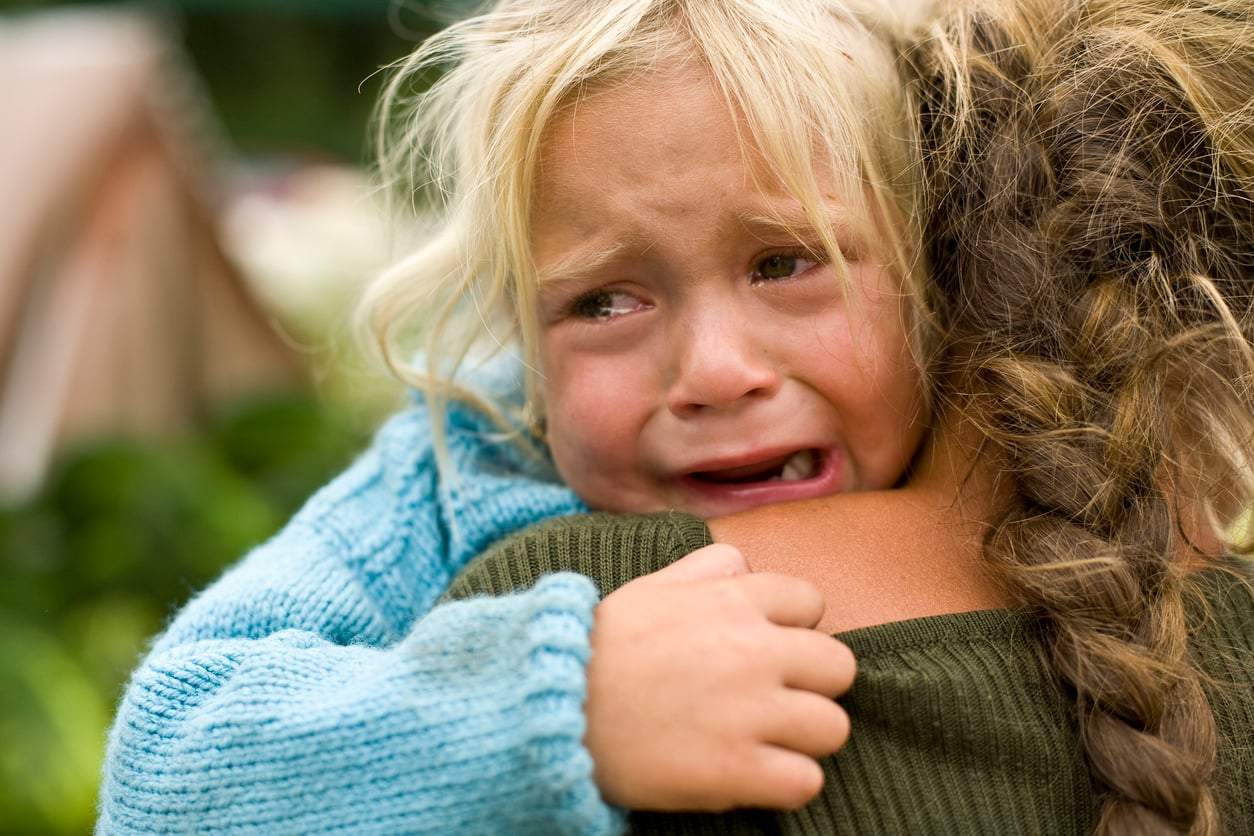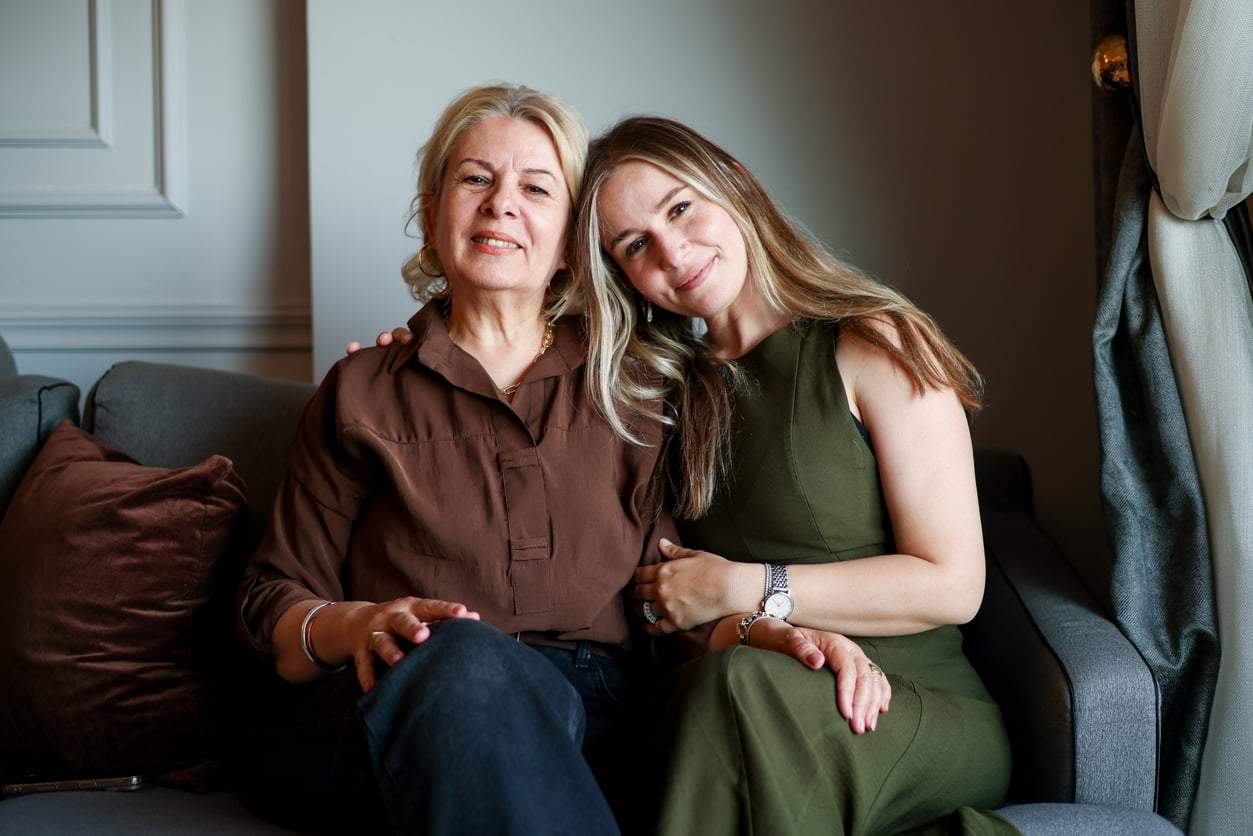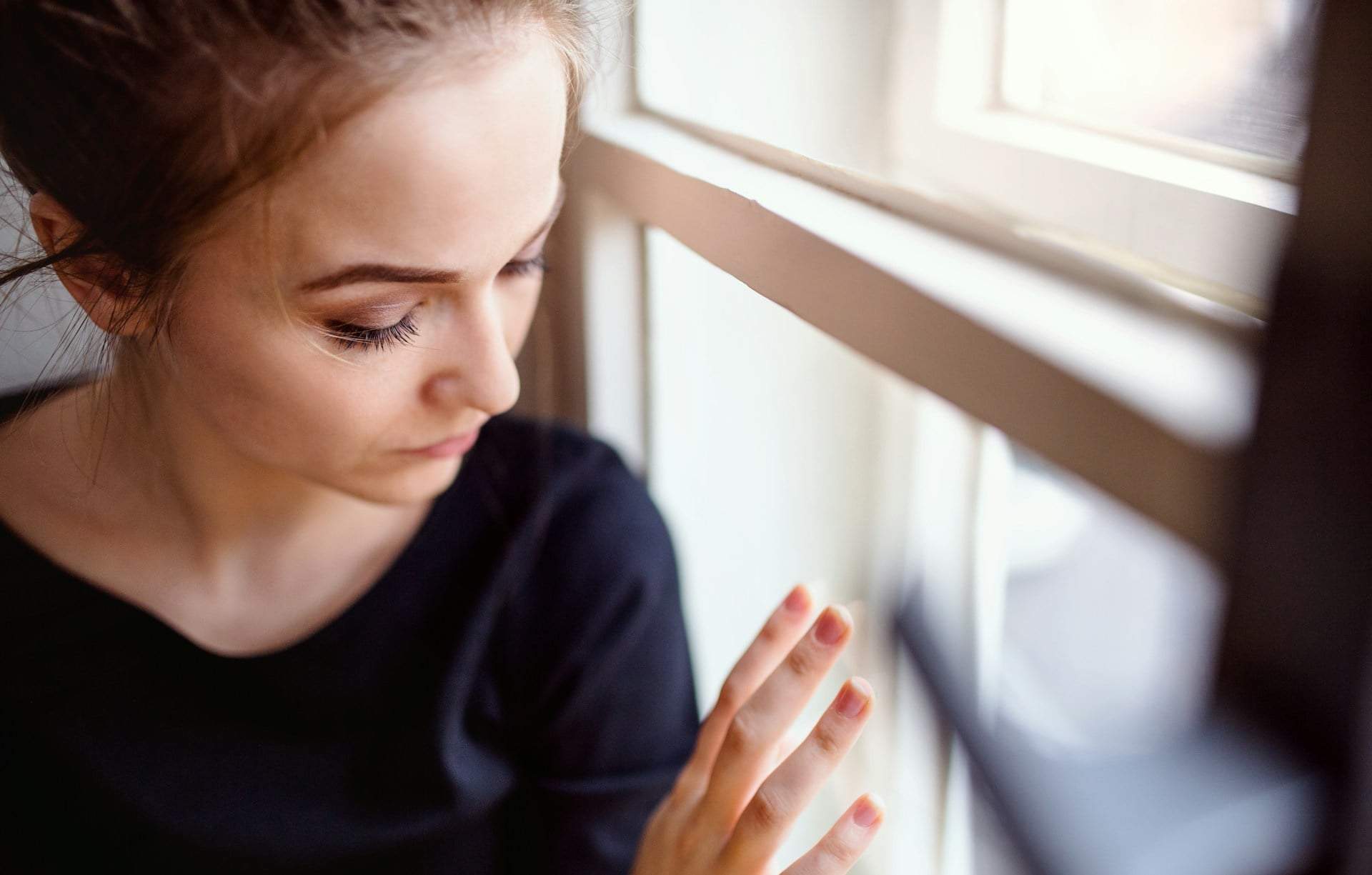
When I was eight, I had a secret ritual. Every Sunday night, before my mother came in to say goodnight, I counted: how many minutes she spent in my little sister's room, and how many in mine. If she stayed longer with my sister, I cried myself to sleep. If she stayed longer with me, I felt like I'd won.
No one knew about this. I never even admitted to myself that it was jealousy. All I knew was that it felt like a matter of life and death.
My sister is three years younger than me, and for as long as I can remember, she was always the more fragile one, the sicker one, the more sensitive one. She was ill a lot as a small child. She had asthma, coughed through the night, and my mother would sit up with her for hours.
During those nights, I'd press my ear to my bedroom door and think, how lucky she is to get all that attention. It never once crossed my mind that she would have traded every gulp of air just to be held, once, for no reason at all — the way I sometimes was.
As an adult, I thought all that childhood scorekeeping was long behind me
Then one Easter lunch, in my mother's kitchen, something tiny knocked the whole thing over. My mother gave my sister our grandmother's old ring — the one I'd secretly imagined as mine for years. She didn't say a word about it. She just set it down beside my sister's plate, casually, the way you'd hand someone a napkin.
I stood there by the sink, holding a pot of mashed potatoes, and felt something hot rush through me. I wanted to call it anger. But I knew it was closer to shame.
That night, driving home, my husband asked what was wrong. At first I denied it. Then it all came pouring out — the ring, the coughing, the Sunday-night counting, everything I'd carried inside me for thirty years. He just listened. Then he said something simple: "Do you think your sister was keeping score too?" That was the sentence that kept me awake.
If you've ever felt overlooked at home, you might recognize yourself in these signs that one child was quietly treated as the favorite.
I realized that for years I hadn't been competing with my sister at all. I'd been competing with a little girl only I could see in the mirror.
A few weeks later, I called her. No reason, no occasion. I wasn't planning a big conversation — I just wanted to tell her I loved her. Instead, the thing about the ring slipped out.
I braced myself for her to get offended, or to laugh in triumph. Instead she went quiet. Then, softly, she told me that for years she had believed I was the one who was loved more — because I was the one no one ever had to worry about.
She thought my good health, my calm, were proof that everything about me was fine — so no one needed to spend much energy on me, because I was never a "problem." She envied that calm the same way I envied her sickbed.
I sat there in the kitchen, phone pressed to my ear, and didn't know whether to cry or laugh. Two women, one mother, two completely opposite films of the exact same childhood — and each of us convinced the other had gotten the leading role.
This isn't the kind of story that ends with everything suddenly smooth between us. Sometimes that eight-year-old girl who counts still shows up inside me. She did last Christmas, when my mother gave my sister's child more presents than mine, and for a second the old feeling burned in my throat again.
But now, at least, there's a sentence I can say to myself: this isn't about me being worth less. It's about a six-year-old and a nine-month-old getting different gifts.
Understanding how these old patterns follow us is often the first step in what adults from big families end up unpacking in therapy.
The ring is still with my sister. Sometimes when I visit, I glance at her hand and something strange still twinges through me. I don't know if it will ever fully fade, or if I'll just learn to live with it — like an old scar that tightens now and then when it rains.
Why do siblings remember the same childhood so differently?
Because each child watches from their own angle. As this story shows, one saw attention as love, while the other saw calm as being loved — and both were convinced the other had it better.
Is it normal to still feel childhood jealousy as an adult?
Yes. Old feelings can resurface in small, unexpected moments — a ring given away, or gifts shared unevenly at Christmas — even decades later.
Can talking to your sibling actually help?
It can. One honest phone call revealed that both sisters had spent years believing the other was the favorite, which changed how they understood their shared past.
Does understanding sibling rivalry make it disappear?
Not entirely. As the story admits, the feeling may not vanish completely — but naming it makes it possible to live with, like a scar that only occasionally aches.