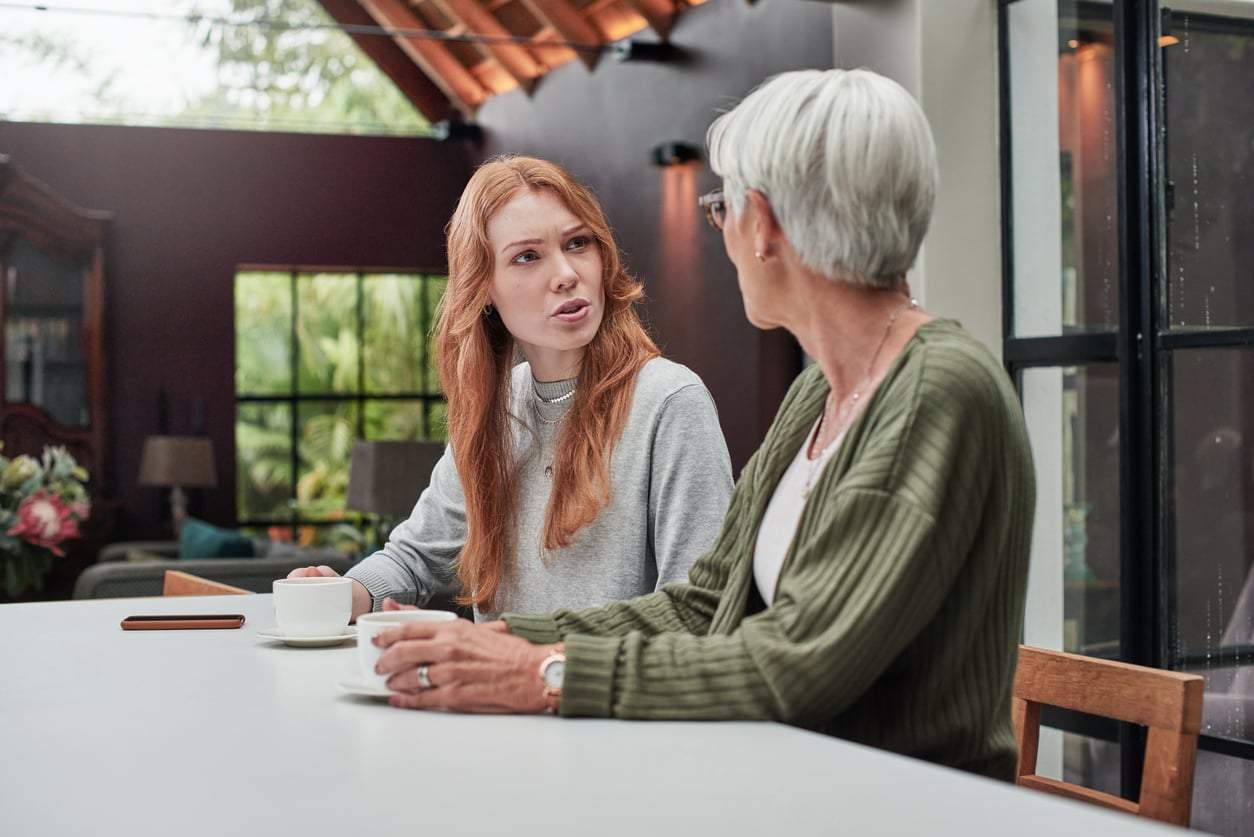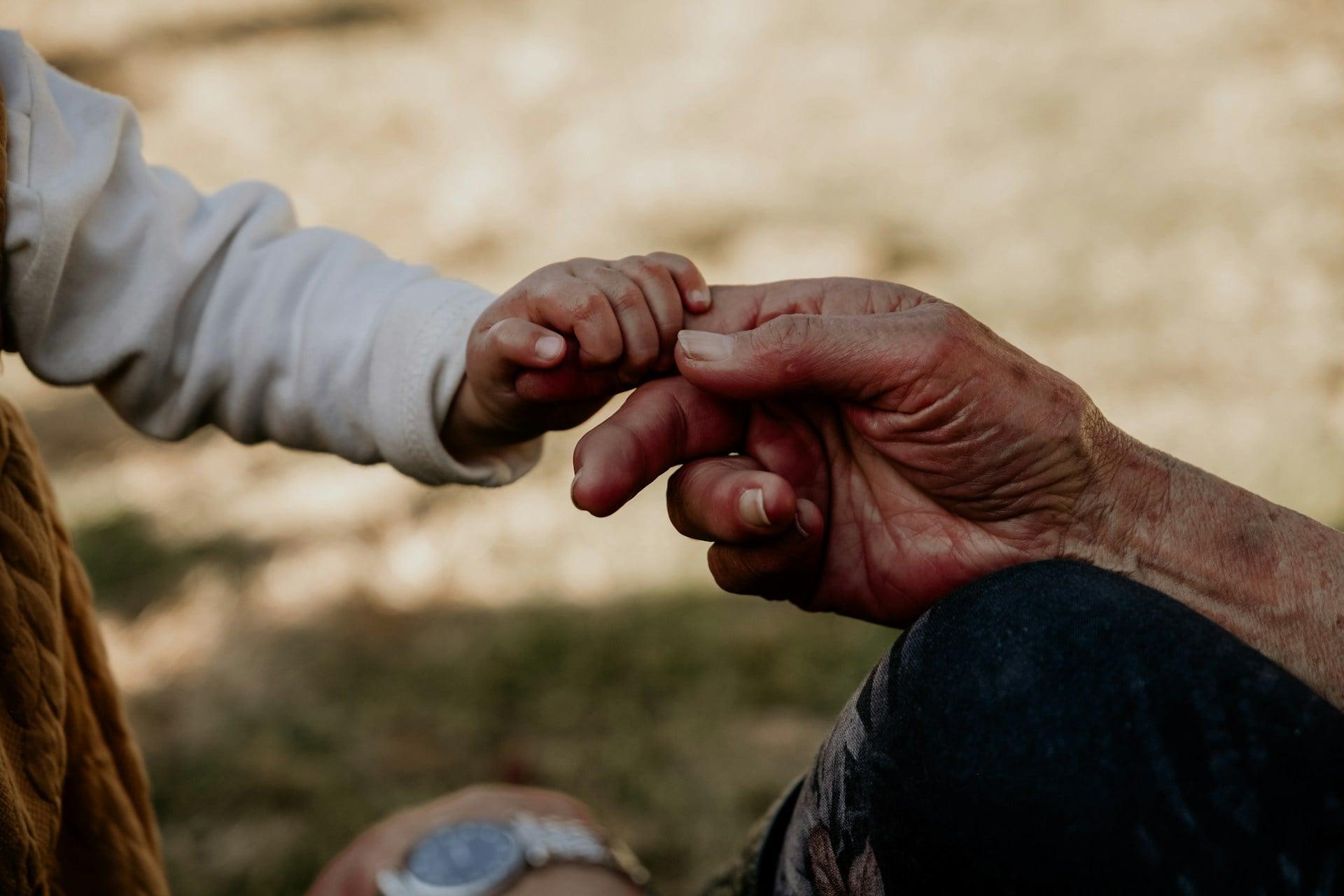
I was sitting at the kitchen table, a cup of cold coffee in my hands, watching my six-year-old grandson Sam tear across the living room, knock over a vase, then throw himself laughing into my lap. And I felt nothing. No warmth, no joy — just that strange, prickling discomfort that has followed me since the day he was born.
When my daughter told me she was pregnant, I cried with happiness. With my first grandchild, Lily, everything came naturally. Her first smile, her first steps — they etched themselves into me like something sacred. When Sam arrived, I expected the same. But somehow, that moment of connection never came.
For a long time, I told myself it was just a matter of time
Then I started to believe I was the one doing something wrong. One Sunday after lunch, when Sam knocked his glass over for the second time and my daughter snapped at him, I thought to myself: "If he were my own child, I would have lost my patience long ago." But he wasn't my child — he was my grandchild. And that only made me feel guiltier, because I couldn't melt for him the way I always did for Lily.
It isn't the child's fault that I can't love him the way I should — and that is exactly what's destroying me from the inside.
Once, while I was babysitting them at my daughter's place, Sam came up to me and asked why I didn't hug him the way I hugged Lily. I don't remember exactly what I said — something evasive, probably — but the way he looked away has haunted me ever since, especially when I close my eyes and try to fall asleep. He was six years old, and he already sensed there was a difference — one he couldn't yet put into words, but felt in his whole body.
I couldn't bring myself to tell a single one of my friends
One of my nieces once joked, half-seriously, "You love all your little grandkids exactly the same, right?" — and I just nodded, because what could I possibly say? That no, not the same? That there's one I could hug all day long, and another whose cry from the next room tightens my stomach?
My doctor once told me, half in jest, that the role of grandparents is over-mythologized — as if unconditional love arrives automatically, simply because there's a blood tie. For a moment, that sentence comforted me. Then the shame cut even deeper. Because I know Sam is innocent. He hasn't done anything wrong — he's just different from Lily. Louder, more stubborn. And for some reason, that doesn't smooth the path between us; it creates tension instead.
Last month, my daughter asked me why I never take Sam out for ice cream on his own, the way I do with Lily. I couldn't answer honestly. I just said, "When he's a little older," even though I knew it was only a way to keep putting it off. That night I stood in front of the bathroom mirror for a long time, trying to pinpoint when all of this began. But I couldn't find an exact moment. Maybe there isn't one — just tiny cracks that widened into a chasm over time.
Sometimes I think it's entirely my fault, that I never let him close enough because I was afraid Lily would grow jealous if I had two favorites. Other times I think our personalities simply don't fit together — the way it happens even between adults, when two people never quite find a common language. Except with a child, you're not supposed to admit that. Neither explanation resolves anything. They just keep turning over in my mind.
Yesterday, Sam drew me a picture — a big yellow sun with two figures underneath, him and me, holding hands. He gave it to me and said it was for the day I'd finally take him out for ice cream. I tucked it into my bag, and the whole way home I kept wondering whether I'll ever be able to look at him the way he already looks at me.
Is it normal for grandparents to feel closer to one grandchild?
As uncomfortable as it feels to admit, connection doesn't always arrive automatically just because there's a family bond. Sometimes personalities simply click more easily with one child than another, and that doesn't make the feeling any less real or painful.
Does a young child really sense being loved less?
In this story, a six-year-old clearly felt the difference — even asking directly why he wasn't hugged the same way. Children may not have the words for it, but they can feel the distance in their bodies.
Is this kind of struggle something to be ashamed of?
The shame in this account comes from believing love should be equal and effortless. But acknowledging the truth honestly, rather than pretending, is often the first painful step toward closing the gap.