It slips out almost automatically. You're tired, the day has been long, and your child starts crying — again. So you say it: "Stop crying, it's nothing!" It feels harmless. Gentle, even. And yet this is the phrase child psychologists keep identifying as one that leaves some of the deepest marks on a child's emotional development.
Not because it sounds cruel. Quite the opposite — it's precisely because it comes wrapped in warmth and reassurance that neither the parent nor the child fully registers how damaging the message inside actually is. Because what a child hears isn't "Mom is trying to comfort me." What they hear is: "What I feel doesn't matter. Maybe it's not even okay to feel this way."
When a child's feelings become invisible
In that moment, a young child isn't hearing a lie — they're receiving a correction. They feel hurt, or they're upset because their favorite toy broke. The adult responds by telling them, in effect, that their reaction isn't justified. When this happens repeatedly, it quietly teaches the child something corrosive: don't trust your own inner signals.
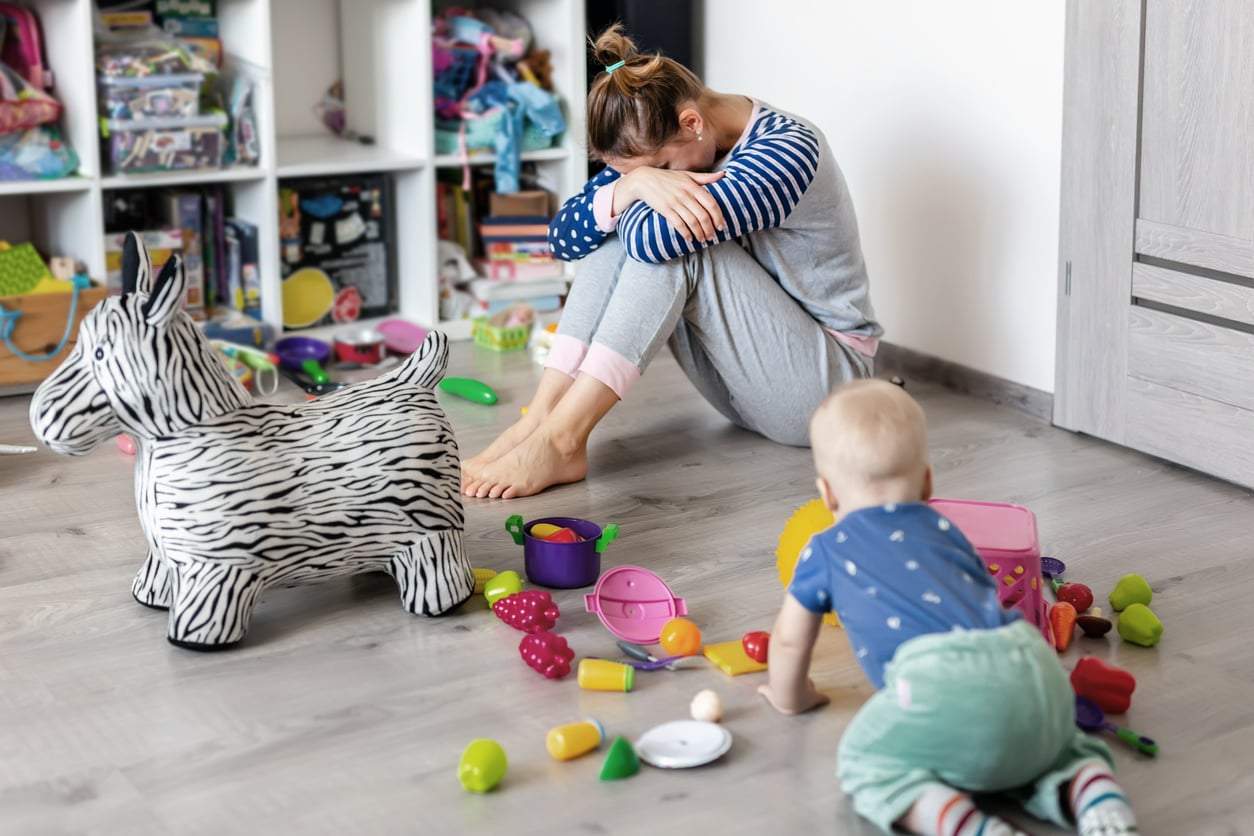
Many parents say it for exactly the reason you'd expect — because a child's distress makes them uncomfortable. It's genuinely hard to sit with someone else's pain when you can't fix it immediately. Saying "stop crying, it's nothing" is a way of closing the moment quickly.
"Stop crying" is often less about the child and more about soothing the parent's own anxiety.
This doesn't make you a bad parent. It makes you human. But understanding what's happening beneath that reflex is the first step to changing it.
Why the size of the problem doesn't determine the size of the feeling
A concept that keeps coming up in child psychology is emotional validation — simply confirming that what a child feels is real and acceptable, even if the trigger looks trivial from an adult perspective. This isn't about performing dramatic empathy over every scraped knee. It's about making sure your child experiences this: you see them, even when being with them is hard.
A broken cookie or a lost toy car is, objectively, not a tragedy. But to a child's nervous system in that moment, the disappointment is just as real as a bad piece of news is to an adult. The scale isn't comparable — but the emotional weight absolutely is.
Small shifts that make a big difference
- "I can see you're really sad right now" — this replaces "stop crying" without requiring you to solve anything immediately.
- "That must have been really frustrating" — it acknowledges the weight of the situation from the child's point of view, not yours.
- Sometimes it's enough to simply crouch down to their level and stay quietly beside them until the tears pass on their own.
These aren't magic phrases, and they won't dry every tear overnight. But they do something important: they teach your child that their feelings aren't a problem to be switched off — they're something survivable, and something worth staying present for.
Most parents who say "stop crying" aren't doing it out of indifference. They're doing it because they were raised the same way, or because they've simply run out of the emotional energy needed to stay calm through another wave of tears. The phrase will probably still slip out sometimes — but it might be worth taking one extra breath before it does.
What is emotional validation, and why does it matter?
Emotional validation means acknowledging that a child's feelings are real and understandable, even if the situation seems small. It helps children learn to trust themselves and feel safe expressing emotions.
Does validating feelings mean agreeing with bad behavior?
No. You can acknowledge that a child feels angry or sad without accepting hitting, screaming, or tantrums. Validation is about the feeling, not the behavior that follows it.
What if I've already said "stop crying" hundreds of times?
It's never too late to shift your approach. Children are remarkably responsive to even small changes in how a parent communicates. Starting now still makes a real difference.
How do I stay calm when my child's crying is overwhelming me?
Acknowledging that this is hard for you too is a good start. Giving yourself a brief pause before responding — even just one breath — can help you choose a more supportive reaction rather than defaulting to a reflex.