Op-ed: Borka Schuster
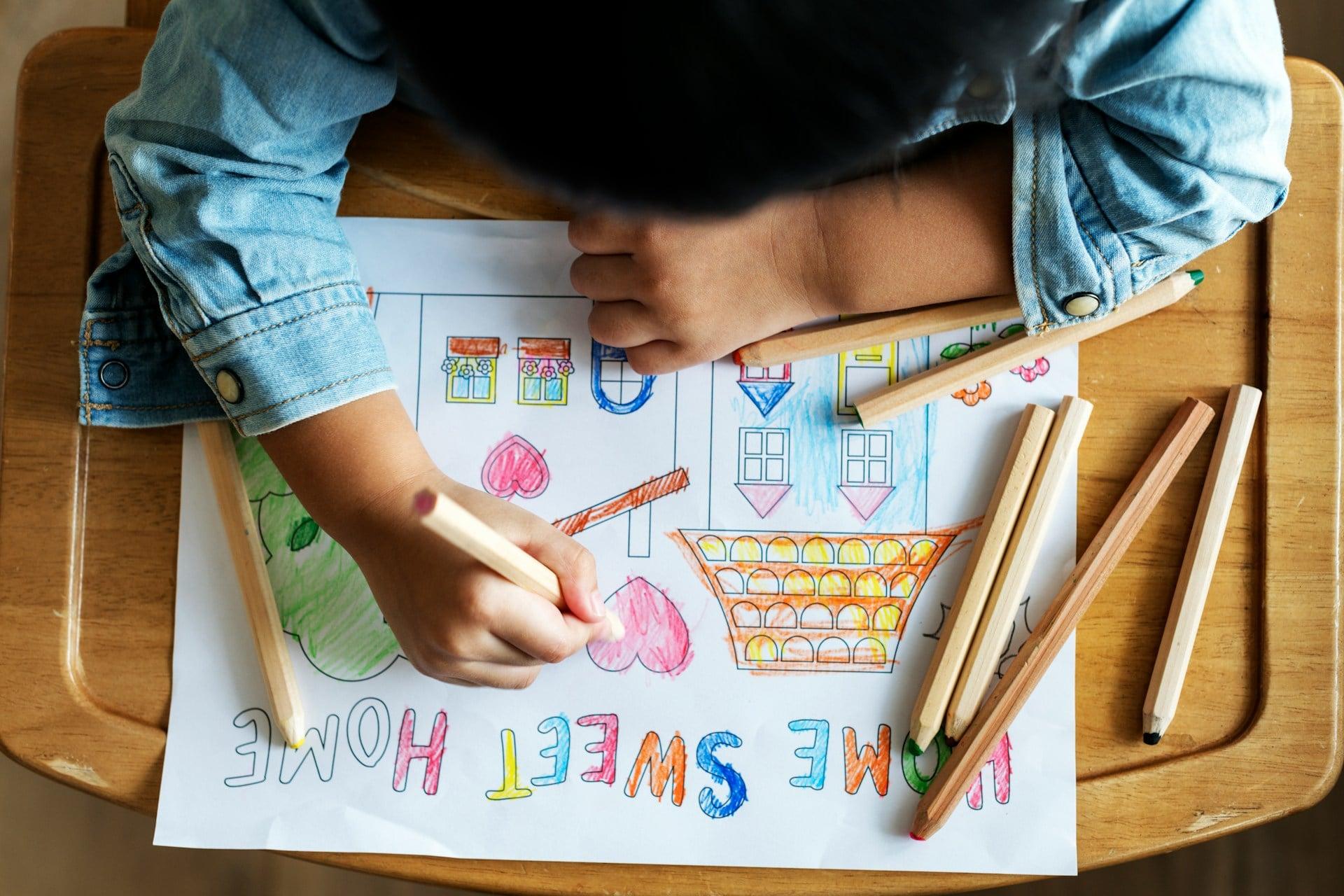
There's no room left on the fridge. The drawers won't close. And in the living room, the pile of colorful paper just keeps growing. Dinosaurs, smiling suns, family portraits where somehow everyone has three hands and not a single ear.
Kids' drawings are wonderful — but should we really let them take over the entire house?
Let's be honest: aside from a few standout masterpieces, we rarely go back and admire every single drawing our child makes. And yet we can't bring ourselves to throw them away. Partly because we tell ourselves that even if it doesn't feel special now, one day it'll be lovely to look back on them.
But mostly — and I think this is the stronger force for most of us — there's the guilt.
How could you throw away something your own child made? Wouldn't that hurt them? Isn't it like tossing out a piece of their creativity, a piece of them?
I thought this way for a long time, too. Then one day it hit me: I was holding myself to a completely unrealistic standard.
Think about it. For roughly ten years — often longer — your child brings home their little artistic output almost every single day. Some days that's more paper than an entire magazine, except every page contains its own separate universe.
And still: within a week, we often can't even remember what half of those drawings were supposed to be.
No home on earth can physically keep this many memories
And maybe it doesn't need to.
After a while, I started building a system that was far easier to live with. Instead of shoving every drawing straight into a drawer, I go through them regularly — weekly, monthly, and then once a year.
At the end of each week, I pick the five best ones. Maybe they're technically impressive, maybe they're funny, or maybe there's just a personal story attached to them. By the end of the month, that's twenty drawings. From those, I choose the five that matter most. By the end of the year, I've collected around 60 — and from those, I keep just 12.
And these I actually keep — filed neatly into a folder, labeled with the year.
Do this for ten years, and you'll still end up with more than a hundred drawings. A whole collection. A timeline. A visual diary of how my child's world changed, how their hand steadied, how their imagination and way of seeing grew.
That's plenty. More than enough, actually.
Because memories don't really live in objects. Not in sheets of paper, not in folders, not in boxes. They live in the moments — sitting together at the table, the way they walked up to me with a fresh drawing and asked, "Do you like it?", and I nodded, honestly meaning it.
If you struggle with this kind of guilt, it can help to reframe how you think about what really matters in parenting — and what quietly weighs us down.
Those moments can't be stored away. And they don't need to be.
We often feel that if we don't hold on to the physical object tied to a moment, we'll lose the memory too. But that simply isn't true.
Your child is not the sum of their drawings
And childhood isn't an archive stored in a folder.
We can flood the house with paper scraps, glued-on dinosaurs, and half-colored suns — but none of that keeps kids little forever. They grow up anyway. Time passes anyway.
And that's exactly why I've come to believe that throwing away the extra drawings is also an important exercise in letting go. Because we're not really letting go of the drawings. We're letting go of the illusion that we can preserve everything. That every single moment can be bottled up and saved.
Maybe what actually helps us be more present is this: not trying to rescue every sheet of paper, but learning that memories aren't kept in folders. And that the moment we're living right now will never be fully recaptured — which is exactly why it's better to do everything we can to enjoy it while it's here.
Is it wrong to throw away my child's drawings?
No. Keeping every single drawing is an unrealistic standard, and letting go of the extras doesn't erase your child's creativity or your memories of those moments.
How do I decide which drawings to keep?
Try a simple filtering system: pick the best five each week, then the top five each month, and finally around a dozen at the end of the year. Keep the ones that are technically impressive, funny, or tied to a personal story.
How many drawings will I end up with over the years?
Even keeping just the yearly favorites, after ten years you'll have more than a hundred drawings — a whole collection and a visual diary of how your child grew and changed.
Won't I lose the memory if I don't keep the drawing?
No. Memories don't live in objects but in the moments themselves — like sitting together at the table or being asked, "Do you like it?" Those can't be stored, and they don't need to be.