Op-ed by Borka Schuster
My daughter was three years old when she was diagnosed with autism spectrum disorder.
It didn't come completely out of the blue. By then there were already signs that had led us to seek an assessment, and it quickly became clear that if this really was the explanation, we were looking at a mild presentation. And yet, the moment the words were spoken out loud, it felt like being punched in the stomach.
"It's never easy to hear a sentence that begins with, 'Your child has been diagnosed with…'"
I don't think it could be put any more accurately than that.
Over the past few years, though, there were three realizations that helped me enormously — they let understanding, rather than fear, steer my thoughts.
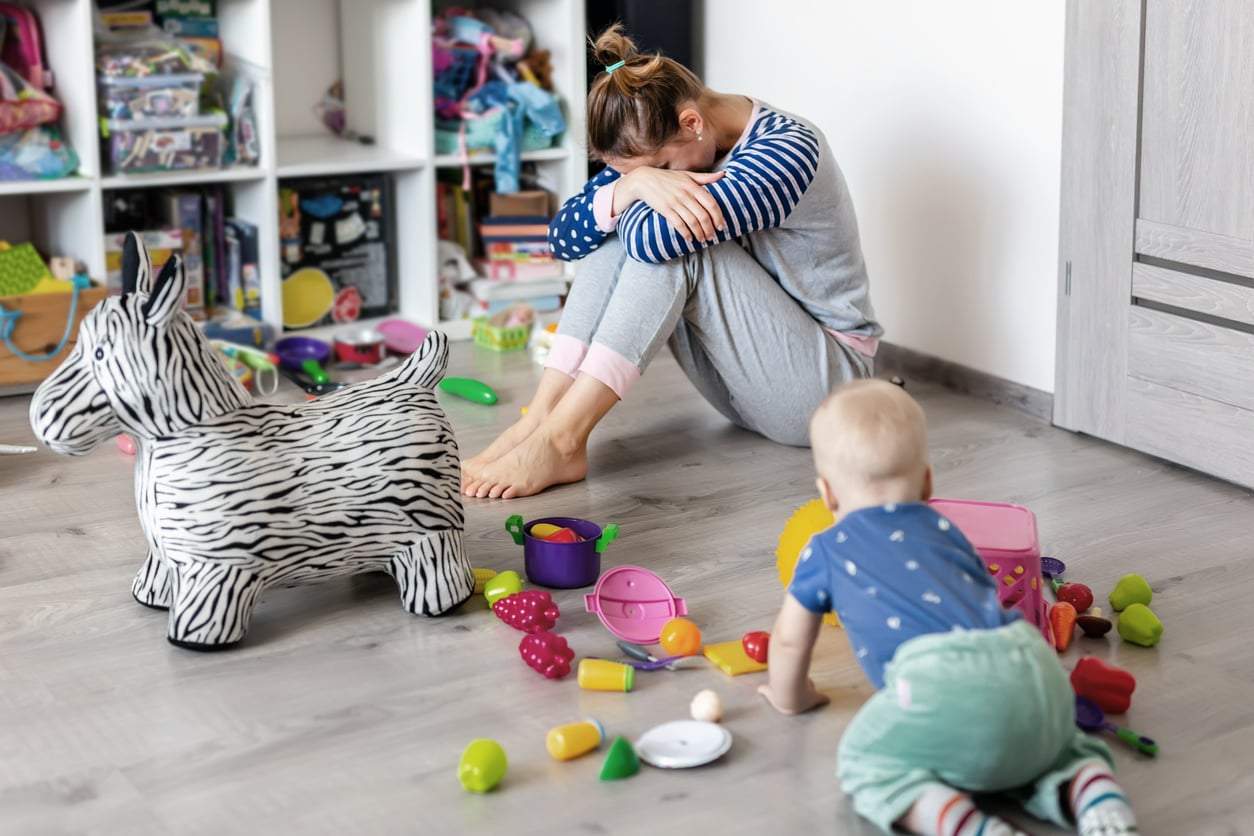
I accepted that grief is completely normal
At parent support talks and in online communities, I kept hearing the same thing: after the diagnosis comes grief.
At first, that word sounds strange. After all, no one had been lost. Our child was right here, loved exactly as much as before.
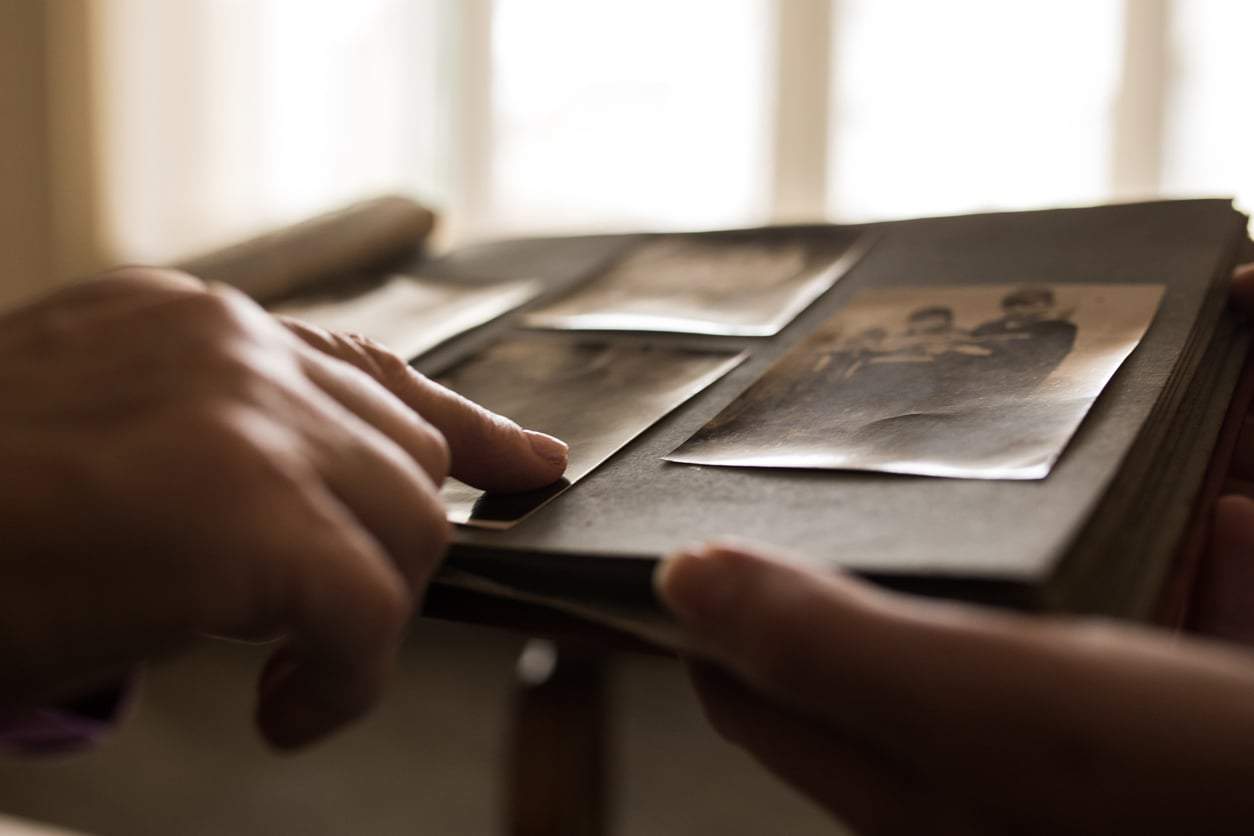
But we all carry a picture of the future — and sometimes we have to let it go. That's what we grieve in moments like these.
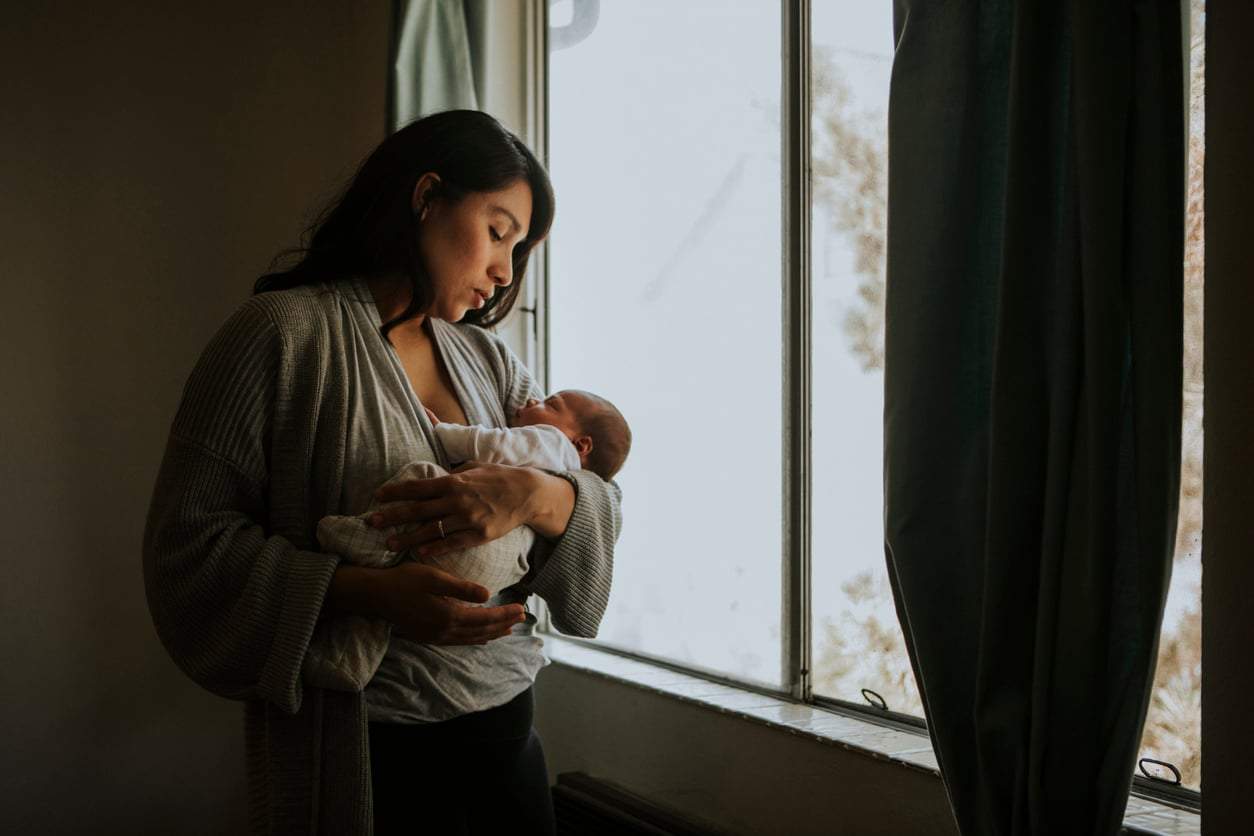
When someone dreams of having a child one day, they rarely picture that child being neurodivergent. Just as they don't picture a chronic illness, or any of the extra challenges life might bring. We build a story in our heads about how our life will look, and when it turns out the story unfolds differently, grief can be a natural part of that.
It helped so much when I finally let myself feel it.
I wasn't ashamed of it. I didn't feel it made me a bad mother. Because that grief was never about loving my daughter any less — it was simply one step toward accepting what couldn't be changed. That's just how the human mind works.
Once I understood that, I stopped blaming myself for what I felt, and letting go of the feeling became far easier.
After the diagnosis, she was still the same child
This was perhaps the most important realization of all: when we got the diagnosis, my daughter didn't become autistic. She always had been — from the very first moment I held her in my arms.
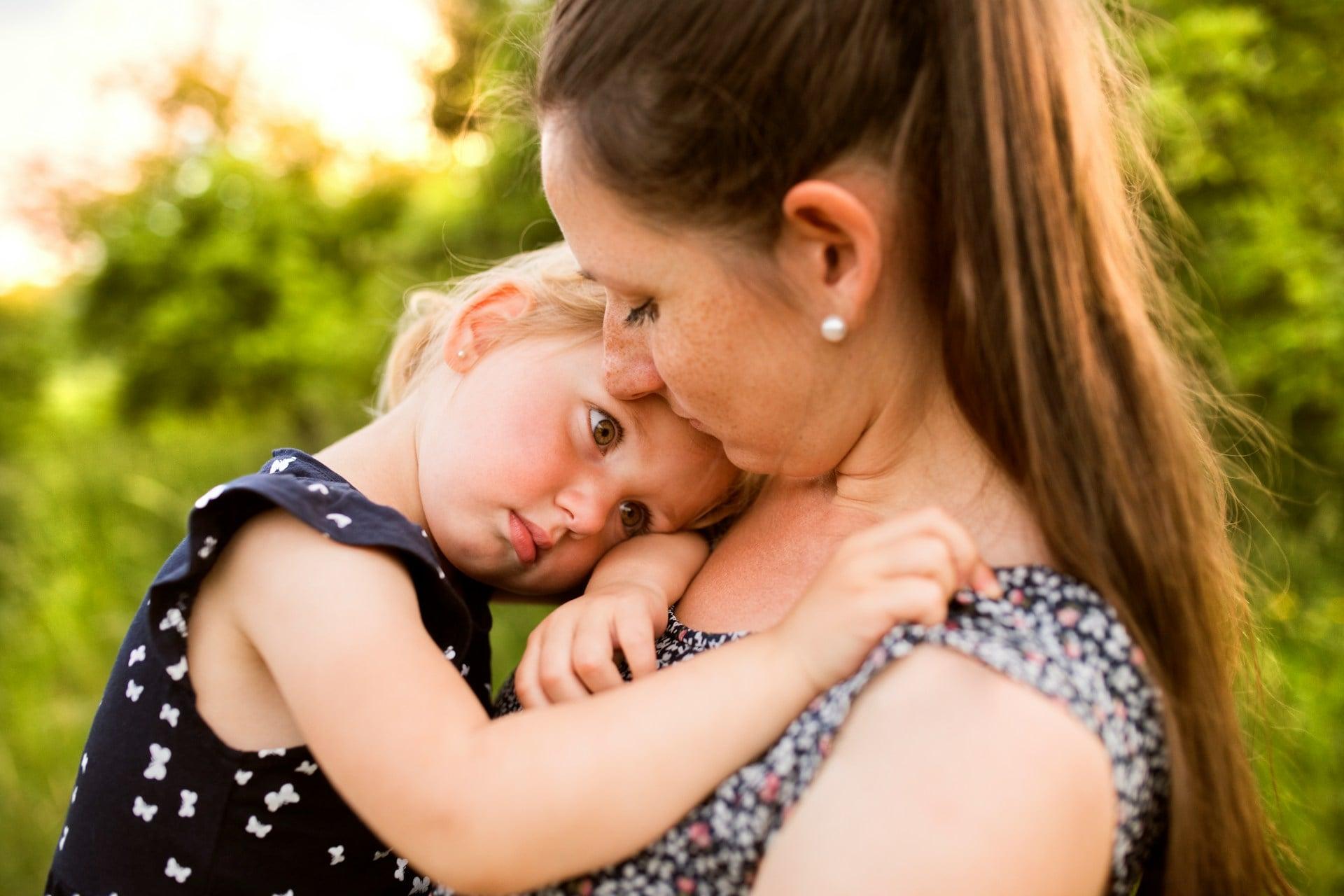
She still loved to laugh. She still asked for the same bedtime stories. She still snuggled up to me the same way, her eyes still lit up the same way when something caught her interest.
Only one thing had changed. Now we had a name for what we had been seeing all along.
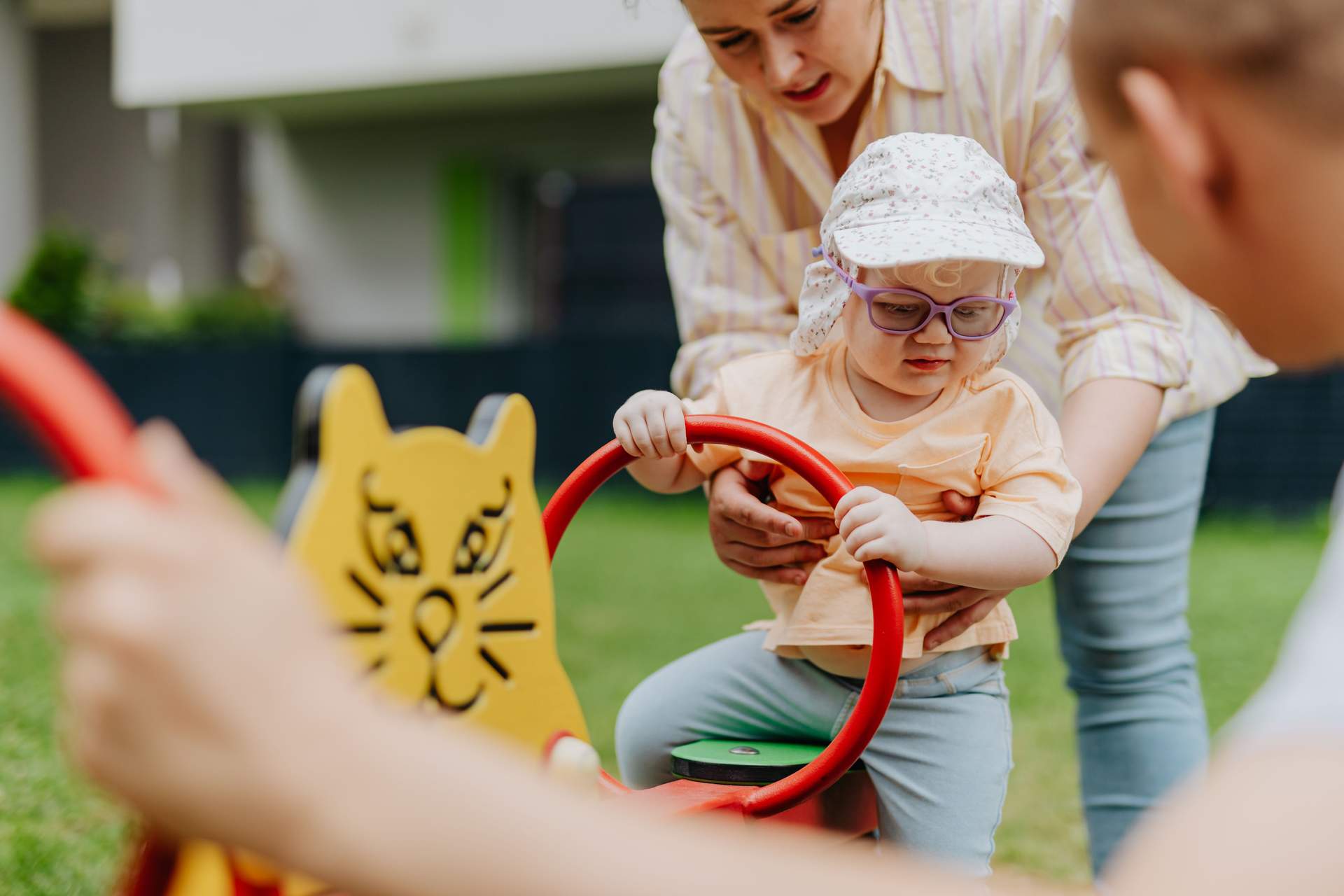
The diagnosis wasn't a verdict — it was a tool. It didn't define my daughter; it helped me understand her better. It helped me figure out what to pay attention to, what kind of support she might need, and how to adapt to her in a way that still lets her be fully herself.
That piece of paper didn't change her. It didn't take my child away, and it didn't alter anything about who she is. It only made me a little more informed.
I realized the world needs people like her
The more I read about neurodiversity, the more I noticed how we tend to talk almost exclusively about the difficulties.
And yet neurodivergent people often think in completely different ways. They notice connections others miss, ask different questions, and approach a problem from an angle no one else considered. And while that can sometimes be a challenge — for them and for the people around them — that same difference carries enormous value.
My daughter does need some extra attention. But she also brings an extraordinary sensitivity, curiosity, and honesty into the world. Every single day she teaches me something about seeing things through fresh eyes.
If someone had asked me a few years ago what kind of child I hoped for, I never could have described her precisely.
Today, though, I wouldn't trade her for anyone. The world is luckier for having my daughter in it. And I'm luckier still, because I get to be her mom.
What does a mild autism spectrum diagnosis actually mean?
As the author describes it, the diagnosis put a name to traits that were already there. It's a tool for understanding a child and knowing what kind of support they might need — not a label that changes who they are.
Is it normal to feel grief after a child's diagnosis?
Yes. Many parents describe grieving the imagined future they had pictured, even though nothing has been lost. The author found that allowing herself to feel it, without shame, made it easier to move toward acceptance.
Does a diagnosis change the child?
No. As the author puts it, her daughter was the same person before and after — laughing, snuggling, curious. The diagnosis only changed how much the parent understood, not who the child was.
How can parents focus on the strengths, not just the challenges?
The article suggests noticing the value in a different way of thinking — the fresh perspectives, curiosity, and honesty — while still being honest that some days require more patience and energy.