Summer always meant freedom to me. Long, warm evenings. The buzz of festivals. Spontaneous road trips and that unmistakable feeling that the whole world was wide open in front of me.
Then, on one of those bright, sultry June days, my life changed completely. Ten years ago, at twenty-seven, I finally held my baby girl in my arms. We had planned for her, prepared for her, ticked off every tiny step of nesting. And yet, behind those closed doors, a reality was waiting that no book and no piece of advice could have prepared me for.
My favorite season became my strictest prison overnight
I naively believed I'd take the hurdles of motherhood in stride, calm and unbothered. My daughter had other plans.
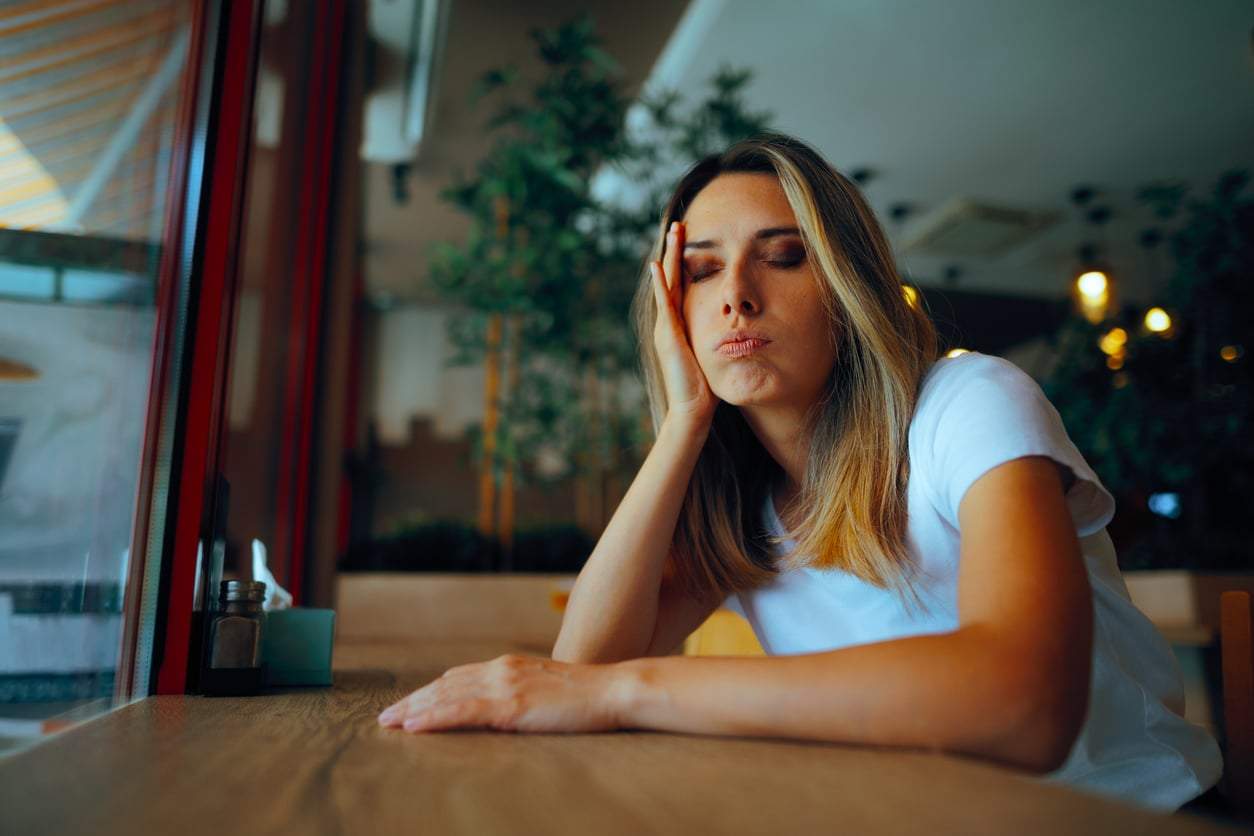
Until she was five and a half months old, she battled relentless, brutal colic that turned our days into one endless marathon. Her daytime naps maxed out at twice twenty minutes — and even those few minutes were only possible if I rocked her without stopping, in a steady, hypnotic rhythm.
Instead of recovering, I was running on empty. And into that exhaustion crept something even harder: emotional isolation. Barely a month after the birth, my daughter's father had to travel back abroad for work. I was left alone on the front line.
If my mother hadn't come over every single day, if she hadn't held my hand in the most hopeless, most exhausted moments, I honestly don't know how I would have survived that time.
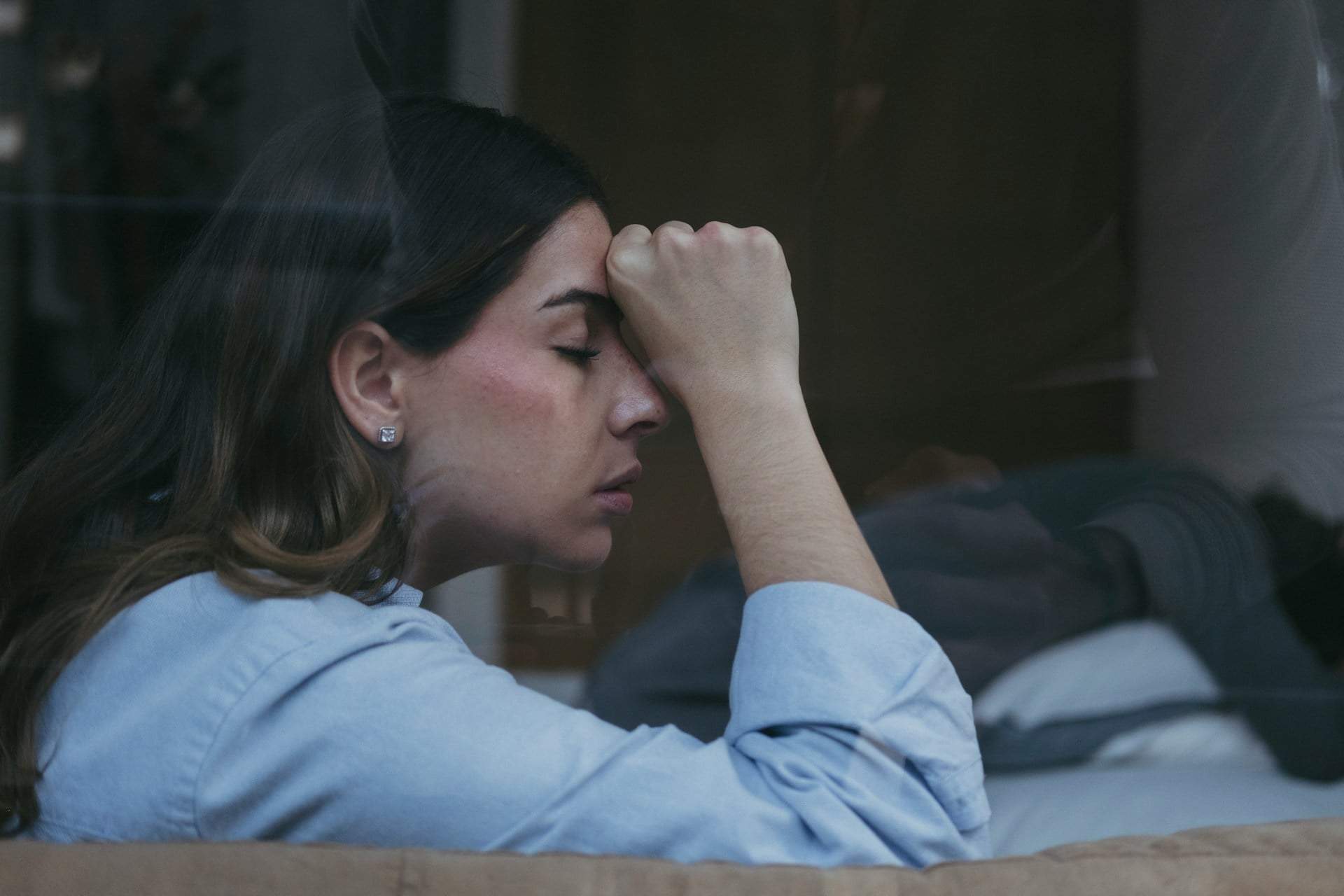
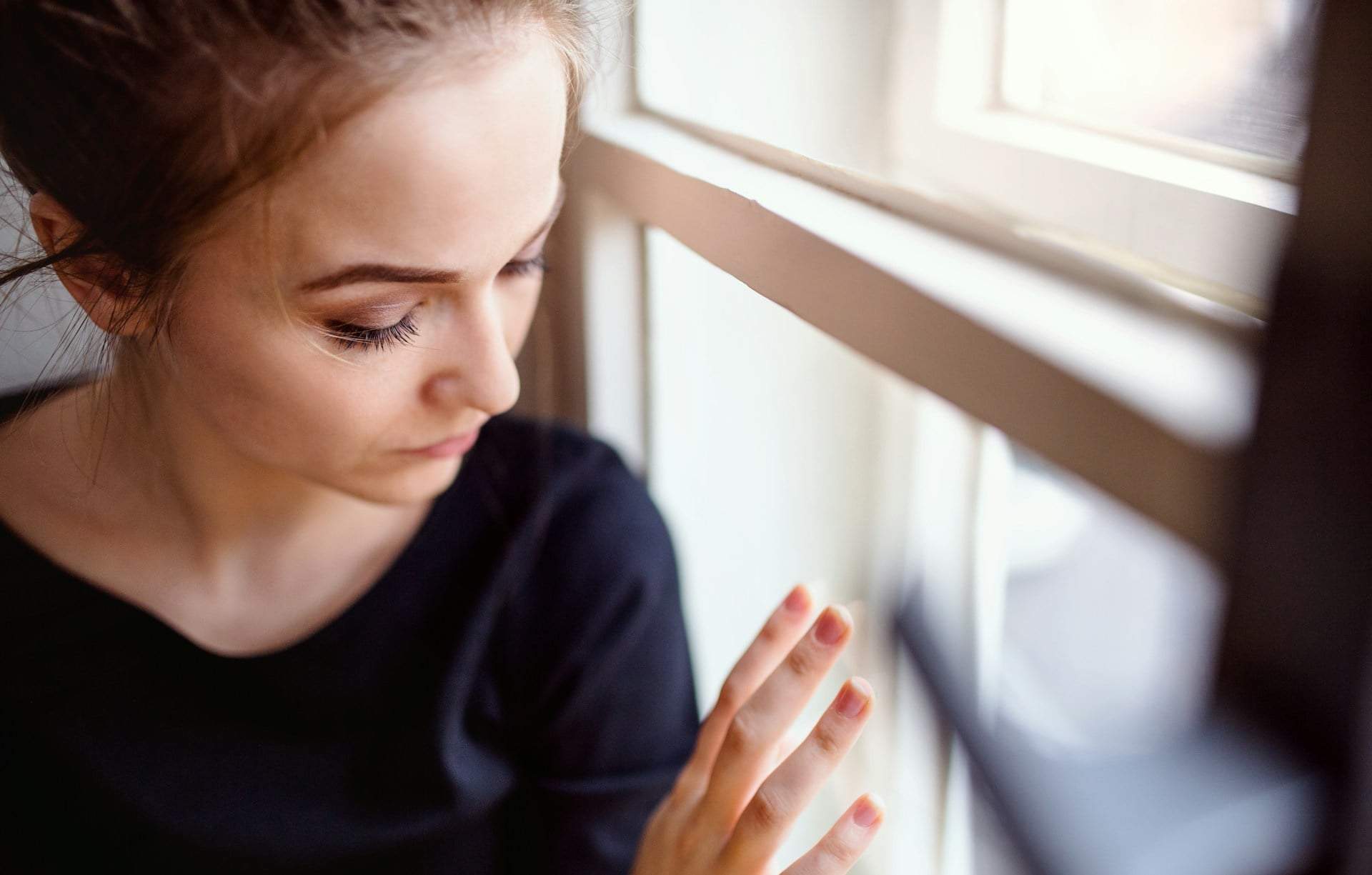
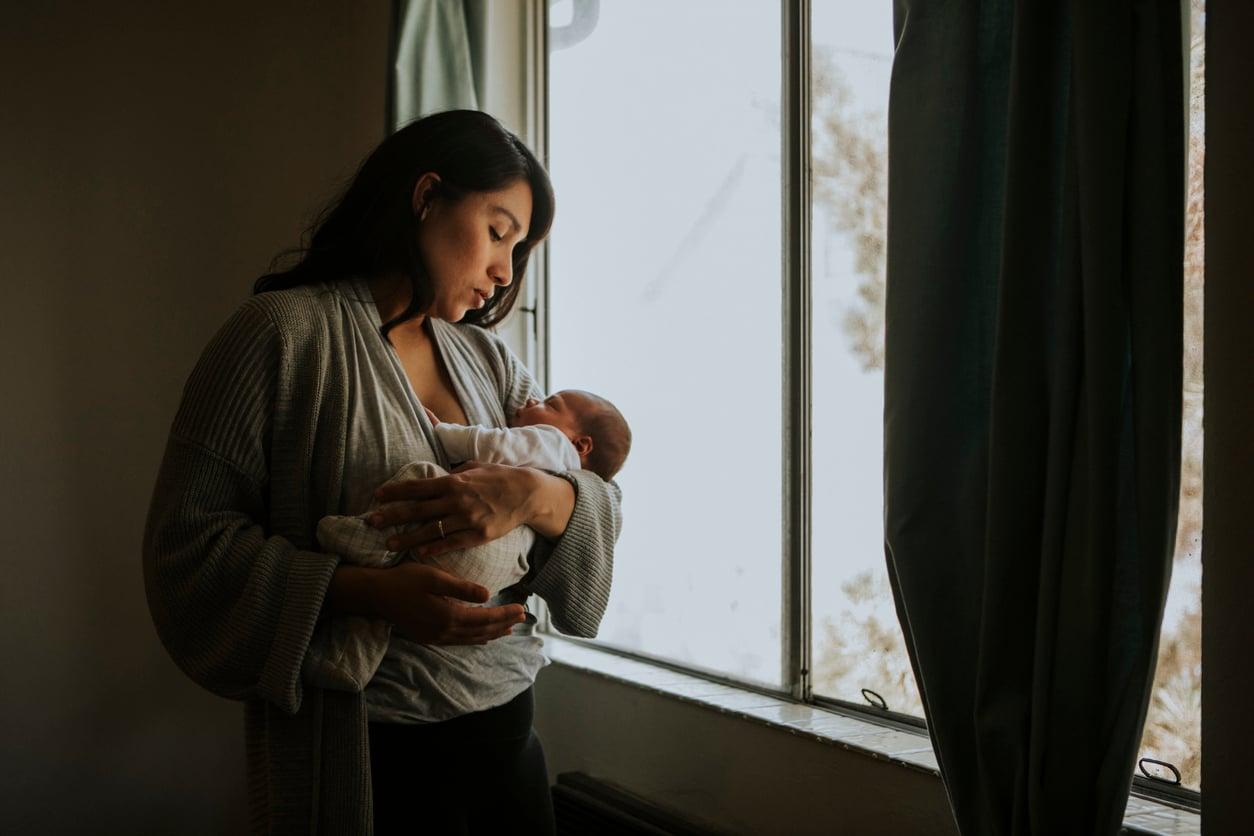
While I rocked my inconsolably crying baby in a darkened, cool room, summer raged on in full force beyond the closed windows. My social feeds were flooded with my friends' carefree photos — lakeside weekends, festival highs, late-night parties.
It felt like I was watching my own generation from behind a thick pane of glass. They were living the easy, golden days of their twenties, while I — exactly the same age — had been exiled to an entirely different universe.
In this new world, I no longer measured time in days or weeks, but in hours heroically survived. It was a cruel, painful contrast. According to everyone around me, this was supposed to be the happiest chapter of my life — and instead I was experiencing the deepest, most corrosive loneliness and helplessness, right there in the bright sunshine.
When fate reshuffles the deck
A whole decade has passed since then. My colicky, impossible-to-soothe baby has grown into a wonderful, independent tween — and somewhere along the way, the world quietly turned on its axis.
The friends I once envied through a screen, my chest tight with longing for their freedom, are now stepping through the door of parenthood one by one. They're in their late thirties, their early forties. The envy is gone, and so is any trace of schadenfreude. What I feel now is something completely different: empathy.
When I see them pushing a stroller, bone-tired, wiping a runny nose between two illnesses, I'm pulled straight back into the past. I know exactly what they're feeling. I know that suffocating scent of confinement in a darkened room. I recognize the same shock I once lived through — that the world outside keeps moving while your entire life revolves around one tiny crib. They're the ones now grieving their old lives, wrestling with the loneliness I felt to the bone a full decade ago — and have long since worked through.
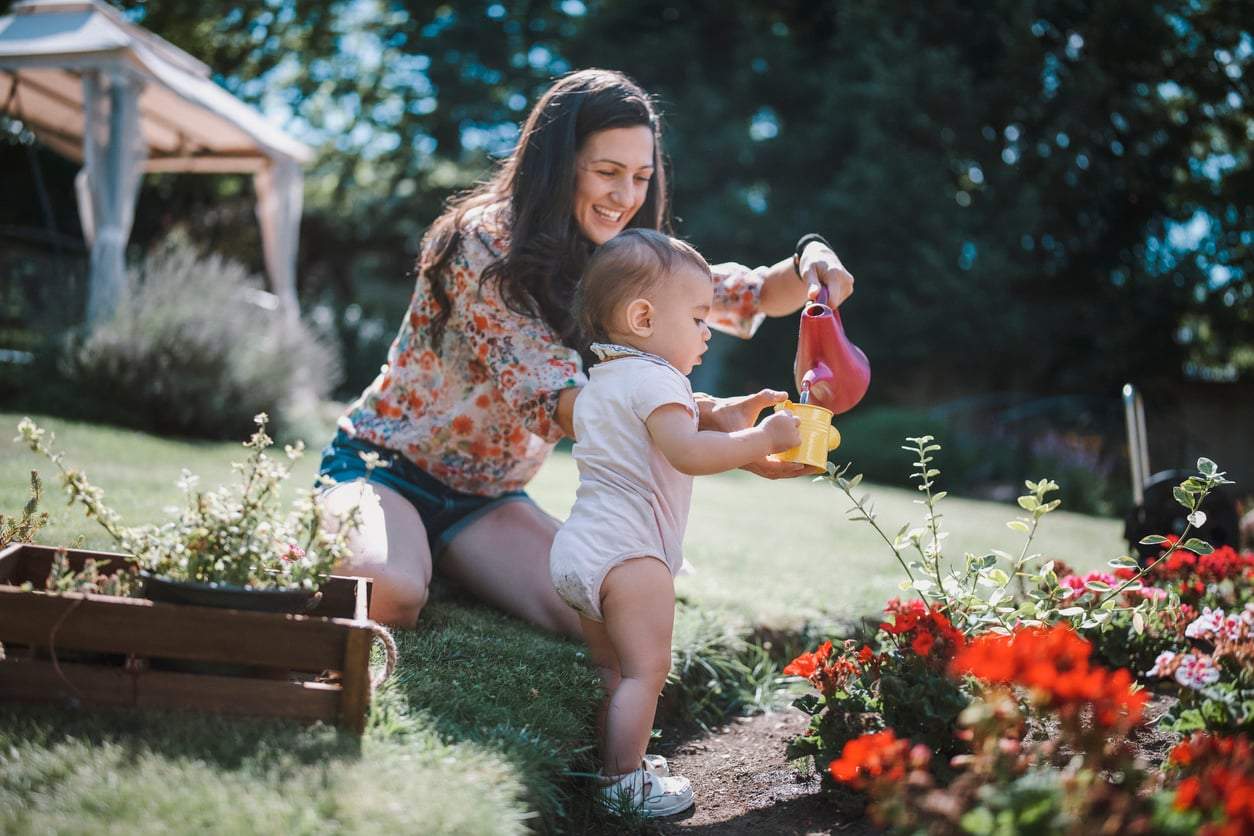
Meanwhile, my daughter and I have reached the other shore. We're living one of the freest, most exciting chapters of our lives. We travel a lot, we come and go in the world, and I can honestly say we've never had a more flexible, adventure-filled, untethered way of living than we do now.
Time, the greatest teacher of all
These ten years taught me that the freedom I thought I'd lost forever in my late twenties hadn't actually disappeared. It had simply transformed. Nothing was taken from me — it was earning interest, and it came back in a far better, more mature form.
After those early "prison days" of motherhood, I built a more conscious, more stable kind of independence — one where my child is no longer a limitation, but an equal partner in every experience.
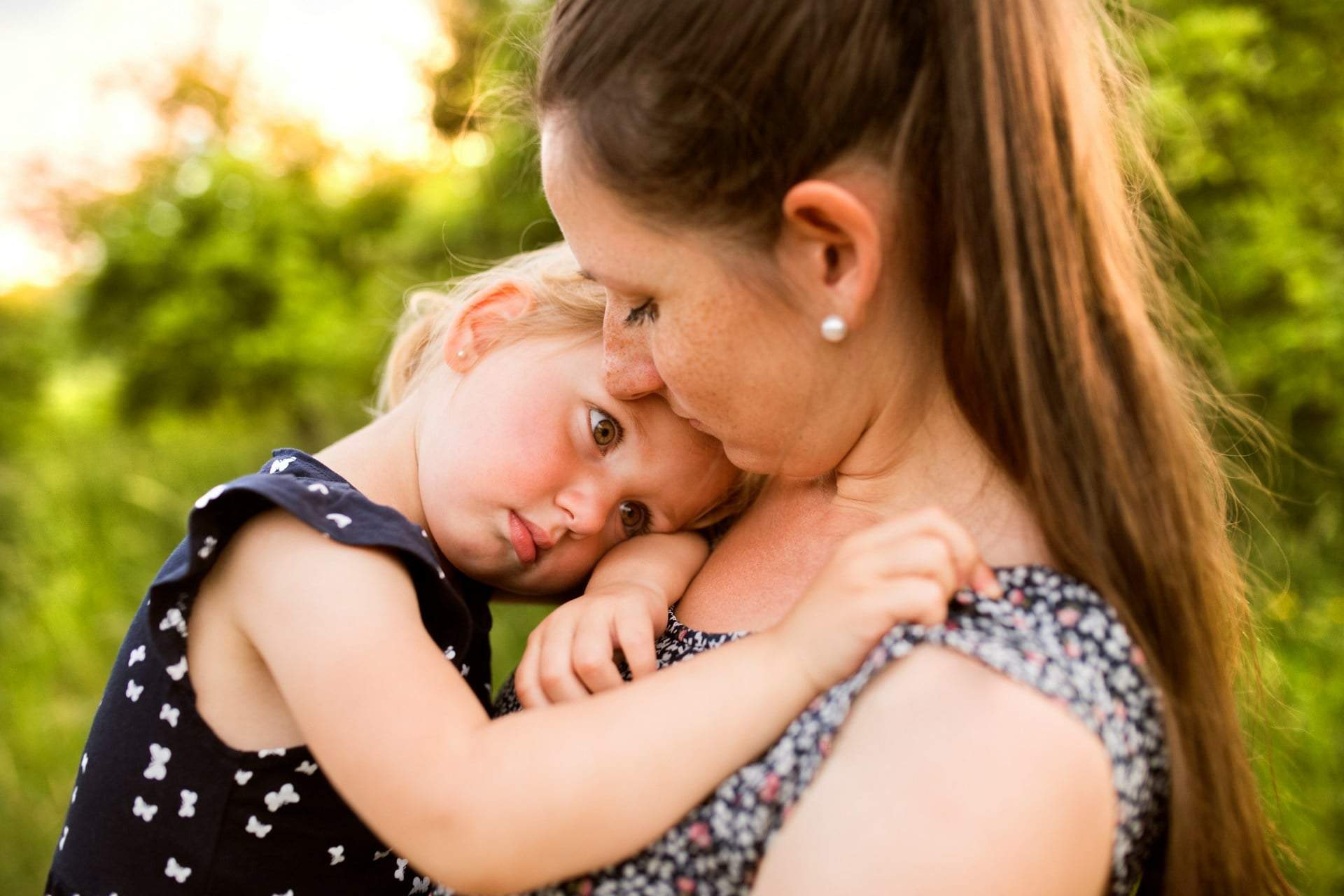
If you're sitting in that darkened room right now with your crying baby, while social media insists everyone else is living their best summer at the beach, hear this: it is completely normal to feel angry, to feel alone, and to quietly mourn your old, carefree self.
You don't have to enjoy the hopelessness, and you don't have to lie to the world about how happy you are. But know this too: fate keeps shuffling the deck. What feels like a life sentence right now is really just a passing phase. In time, the walls come down, the sunlight pours back into the room, and the summer that feels so far out of reach today will one day return to you — in a far more beautiful form than before.
Is it normal to feel lonely after having a baby?
Yes. As this story shows, the deep loneliness and emotional isolation many new mothers feel — especially when they're managing largely on their own — is a completely normal reaction, even if the world expects you to be happy.
Why does early motherhood feel like losing your freedom?
Because everyday life suddenly shrinks around the baby's needs, with time measured in hours survived rather than days. But that freedom isn't gone for good — it transforms and can return in a richer, more mature form.
Does the hardest phase of new motherhood pass?
It does. In this account, the colicky early months gave way, over a decade, to one of the freest and most adventurous chapters the author and her daughter have ever shared.
How can you cope when everyone else seems to be enjoying summer?
By allowing yourself to feel angry, lonely or nostalgic without pretending to be happy — and by remembering that this difficult stretch is temporary, not permanent.