Open any social feed in July and you'll see it: steaming coffee on a sunlit balcony, a hammock, a paperback, a spontaneous afternoon at the beach. This is the "slow summer" — the trend promising a slower rhythm and the quiet magic of the year's warmest months.
It looks gorgeous. It also has almost nothing to do with real life if you're a mom with small children.
For families with young kids, the summer break is less a peaceful inner retreat and more an extreme sport in logistics. And slowness? That's a luxury the everyday reality of parenting simply doesn't allow.
The slow summer is a wonderful, privileged state. For a lucky few, it genuinely means freedom. For working moms with little ones, it's the start of pure survival mode. When school and daycare close in June, the stable, well-oiled family structure you've relied on all year collapses like a house of cards — leaving you alone with everything that suddenly lands on your plate.
Juggling logistics, trapped in a spreadsheet
Instead of the lazy, novel-worthy days we're sold, our reality looks more like this: by mid-February you're already building complicated spreadsheets, trying to calculate down to the last detail which child goes to which camp, and when.
This relentless juggling is really about one thing — squeezing a tight allowance of vacation days into a two-and-a-half-month break. Daily life becomes a string of burning questions: Who drops off, who picks up, what's the backup plan when camp ends at three but your workday runs until at least four?
At the same time, the amount of invisible work instantly doubles. With no school cafeteria, suddenly you're responsible for three meals a day, endless snack management, and a home buried under mountains of sandy, wet clothes. On top of that, camps and activities cost a small fortune — meaning, in theory, you'd have to work even more just to afford it all.
From the lonely front line to flexible days
This summer pressure hits hardest when you're home with one or more little ones and have to hold it all together completely alone, without help, for most of the day.
I was deep in that reality myself once. My daughter's dad was working abroad, and I stayed here with a baby who had terrible colic and was almost impossible to soothe until she was nearly six months old. As the months and then the years passed, family life slowly started to feel lighter and smoother — but part of what made that possible was working under genuinely flexible conditions, even back then. Apart from a few daytime meetings, I can sit down at my computer in the evening, at night, or even at dawn — a real blessing during summer break.
These days, my daughter's dad and I both work from home, which means we can plan ahead and carve out entire free days, even free weeks, for the family. Last year, for example, the timing worked out beautifully: while my daughter was at camp for a week, I worked double — and the following week, when she was home, we planned wonderful outings and I barely had to spend a few hours at my desk.
When I think about my own lucky situation, I so often wonder: how on earth do the other moms manage this enormous task — the ones who leave the house for a fixed eight or twelve hours a day, or who have no choice but to take a second job?
I used to work fixed hours and weekends too, but that was long before I had a family — and honestly, I have no idea how I'd pull it off with a child during summer break. That's exactly why I've come to see that the biggest trap of the slow summer trend isn't that it's impossible for most of us. It's the toxic guilt it quietly manufactures.
It whispers that if your summer isn't about lying in the grass, listening to crickets, and watching clouds drift by, then you're getting something fundamentally wrong — you're squandering an irreplaceable childhood, and you're not present enough in your own life.
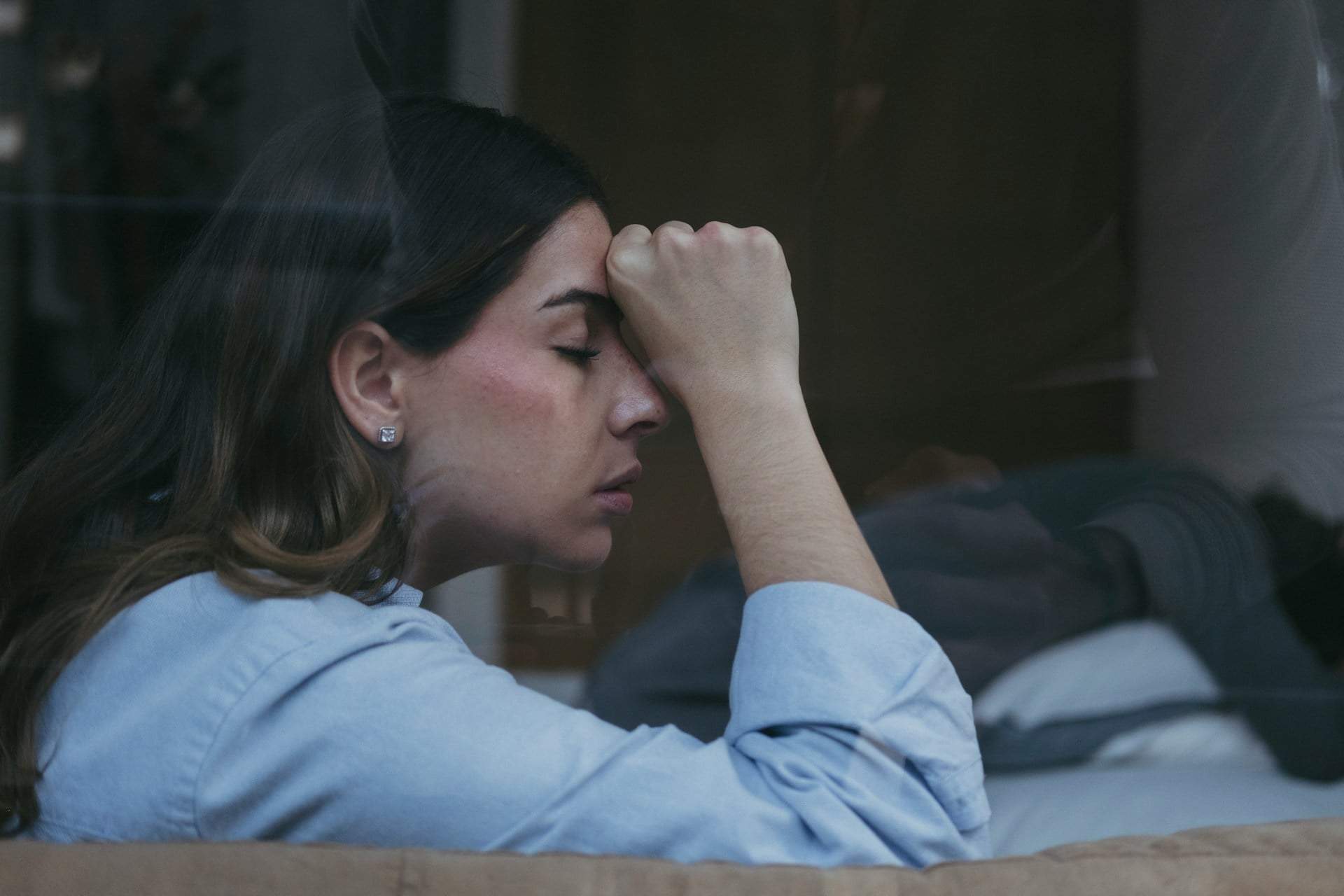
That's how a working mom's summer turns from romantic idyll into a constant inner spiral of guilt. If you work, the problem is that you're not at the beach with your kid. If you're at the beach, your mind is racing over how — and when — you'll catch up on everything you left undone.
And yet, deep down, I'm sure you'd love your free time to unfold at that gentle, slowed-down pace too. Even if weeks of hammock-lounging are out of reach, you have to fight for small daily "micro-slowdowns" of ten minutes. When the kids are finally asleep, instead of immediately attacking the wreckage of the house or scrolling through emails, step out onto the balcony with a cold drink and do nothing. Just be.
And dare to form alliances with the moms around you who are in the same boat. An afternoon "kid swap" — where one of you watches the crew while the other gets things done, then you switch the next day — can be a genuine lifeline through the summer.
Most of all, let this reassure you: if at the end of the day the house is a mess and dinner wasn't organic, but every member of the family goes to bed sane and loved, then that day was actually a success — no perfect Instagram photos required.
Why does the "slow summer" feel impossible for working moms?
Because summer break dismantles the school and daycare structure families rely on all year. Parents are suddenly responsible for meals, activities, camp logistics and childcare — often while still working full hours.
What's the real harm in the slow summer trend?
The article argues the biggest problem isn't that it's unrealistic for most people, but the guilt it generates — the sense that if your summer isn't slow and picture-perfect, you're failing your child.
How can busy moms bring a little slowness into summer?
Fight for small daily "micro-slowdowns" — even ten minutes of doing nothing after the kids are asleep. Team up with other moms for afternoon "kid swaps" so each of you gets time to catch up.
What counts as a successful summer day?
According to the article, if everyone in the family goes to bed sane and loved — even if the house is a mess and dinner wasn't perfect — the day was a real success, no flawless photos needed.