The night my son packed the last boxes into his car, I stood in the kitchen washing a mug that had already been clean for a while. I only kept scrubbing so I'd have something to hold onto. When the front door slammed and he headed down the stairs with the friend who'd come to help him carry things, I sat down at the kitchen table and cried.
Then, maybe ten minutes later, I felt something else. A strange, light flutter in my stomach that I couldn't quite place.
A few days later I finally recognized it: I felt relieved
For twenty years, I hadn't had a life of my own — only his. I got up at six to make sure his lunch was packed, and at ten at night I was still awake in case he came home wanting to talk about something. His shower gel took up half a shelf in the bathroom, and his favorite yogurt sat in the fridge even when he hadn't touched it for weeks.
When he left, every space that had been his suddenly came back to me. And I found that, God forgive me, it felt good.
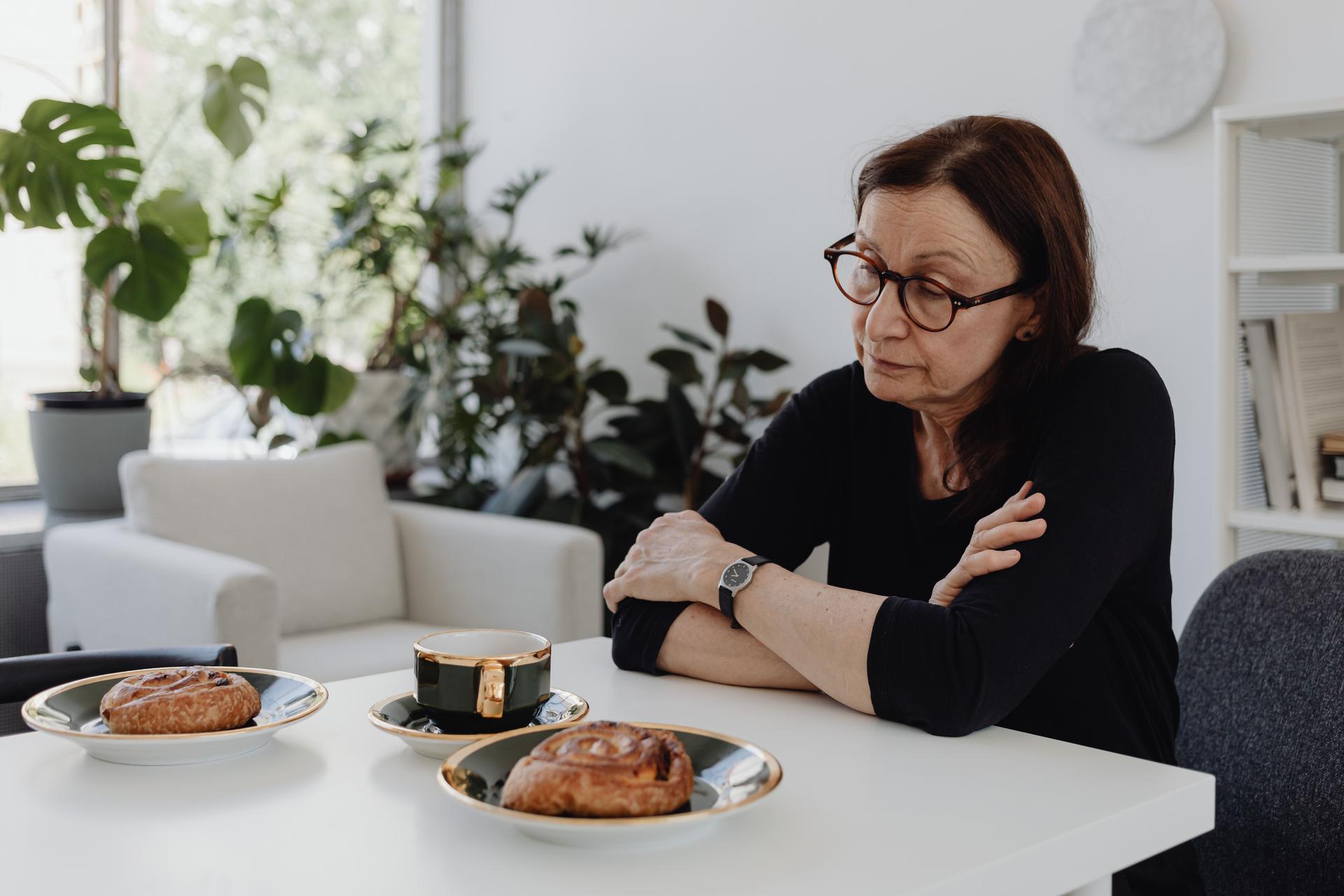
My husband, Zoltán, spent those first weeks convinced I was depressed, because I barely spoke. But it wasn't sadness that silenced me — it was confusion. How could I miss my son and, at the same time, be glad he wasn't here?
I tried to explain it to my friend Edit over coffee, and she just nodded, as if she knew exactly what I meant. Then she admitted that when her daughter left for college, she'd spent three days baking and cooking as if there were a celebration — and only on the fourth day did she realize she'd actually been celebrating her freedom.
I didn't want to get rid of my child. I wanted to get rid of the woman who'd spent twenty years revolving around his needs.
Bence calls once a week, or sometimes just texts to say he's fine and not to worry. And when he does, I really don't worry — instead, I find myself thinking about what I'll do the next day. I've started drawing again, something I hadn't done since I was nineteen. There's an easel in the living room now, standing where his guitar used to lean against the wall. When I showed it to Zoltán, all he said was, "About time."
The guilt, though, never fully went away
When Bence comes home for Sunday lunch every couple of weeks and I notice he looks a little more tired than I'd like, my stomach tightens. Is he eating enough? Is he happy in that little rented flat he shares with three roommates? And then I remember that just a few months ago, I was quietly grateful I no longer had to wash his laundry.
Once I asked him, keeping my voice deliberately light, whether he missed home. He said of course he missed it, but it was good that he'd moved out, because now we can talk as adults, not as mother and child. That sentence stayed with me for days.
Maybe he'd gone through something similar to me: glad to be free, and yet aching a little at having pulled away.
Now, when Zoltán and I sit on the terrace in the evenings with a glass of wine, no longer listening for whether our son has come home yet, there's a kind of peace in me. But if someone asks whether I miss Bence, I can't give a single simple answer. And maybe I don't have to.
Is it normal to feel relieved when your child moves out?
Yes. As this mother's story shows, relief and love can exist side by side. Feeling lighter after years of putting someone else's needs first doesn't mean you love your child any less.
Why do so many parents feel guilty about the empty nest?
Because it can feel contradictory to miss your child and enjoy your regained freedom at the same time. That confusion, as the article describes, is often what weighs on parents more than sadness itself.
How can rediscovering old hobbies help after a child leaves home?
Returning to something you loved before — like drawing, in this mother's case — can fill the space a grown child leaves behind and help you reconnect with who you were beyond being a parent.
Does the relationship with an adult child change after they move out?
It often does, and sometimes for the better. As her son put it, living apart allowed them to talk as two adults rather than as mother and child.