Opinion piece by Borka Schuster
Before I became a mother, I thought I had the world more or less figured out. I imagined I would pass on everything I knew to my child. I would show her how to be kind, confident, and true to herself. I would help her make sense of the world, and hopefully spare her a few of the mistakes I once made.
Then my daughter was born, and it quickly became clear that this was not a one-way street.
Yes, I teach her a lot. We talk about feelings, about knowing yourself, about how to treat other people and how to treat yourself. But while I try to hand these values down to her, I keep catching myself learning too. Sometimes from her. Sometimes right alongside her.
To be more patient with myself
This might be the most important lesson motherhood has brought into my life. When my daughter can't do something on the first try, criticizing her never even crosses my mind. I don't tell her she's clumsy, or that she should already know how to do this by now. Instead, I encourage her and remind her that making mistakes is a natural part of learning.
No one is born knowing everything, and sometimes we learn the most from our failures. And it's perfectly fine if something doesn't work out on the first try, or the second, or even the tenth. As disappointing as it can be, part of life is accepting that we won't master every skill we'd love to, no matter how hard we try.
At some point I had to ask myself the obvious question: if I truly believe this about my child, why don't I believe it about myself?
Why do I expect perfection from myself in situations where I'm still learning too? Why do I speak to myself so much more harshly than I ever would to her?
The more often I told her that it's okay when something doesn't work out the first time, the more I slowly began to believe it myself. I won't pretend I'm always patient with myself. But these days I much more rarely feel that every mistake is proof I'm not good enough.
If you're hard on yourself too, you might recognize your own patterns in the small ways we encourage children while forgetting to encourage ourselves.
To notice the little miracles in everyday life
Adults tend to lose this ability. We rush from one task to the next and barely notice the small moments of beauty around us. Children work completely differently. They can watch an ant for minutes on end, stop in their tracks for an oddly shaped cloud, or point at a rainbow with pure, unfiltered delight.
Over the years with my daughter, I've noticed that I've started to move through the world more slowly and more mindfully myself. Things I once walked straight past have started to catch my eye again.
Not because I suddenly changed, but because someone reminds me every single day that the world is full of tiny details it would be a shame to ignore.
That not every feeling needs fixing
I consciously try to raise my daughter to feel safe talking about her emotions. I want her to be able to name them and never feel ashamed of what she feels. I want her to learn that it isn't only the happy or positive emotions that have a place in our lives, but also sadness, disappointment, and even anger.
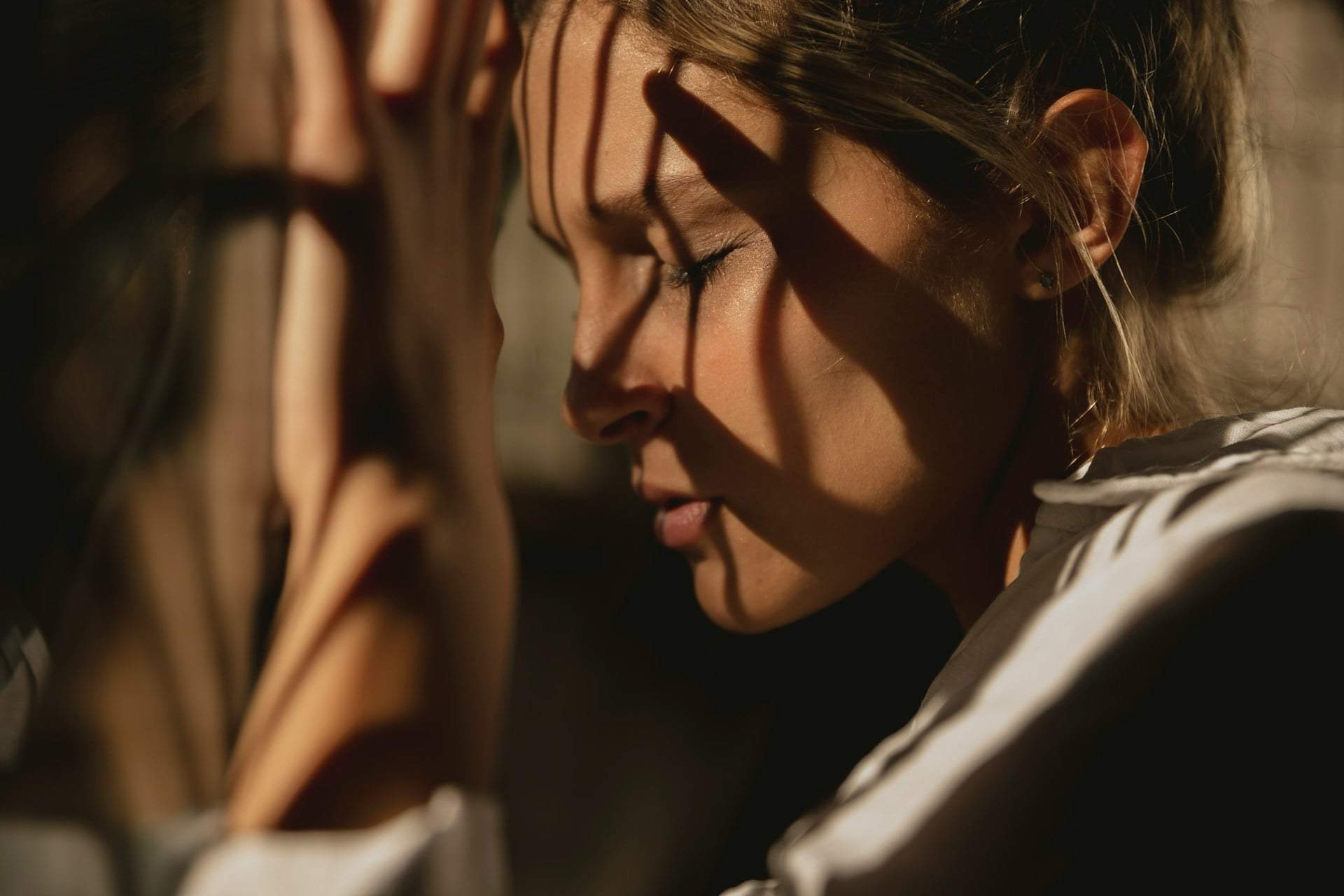
While teaching her this, I had to admit that I don't always live by it myself. For a long time I treated uncomfortable feelings like problems to be solved as fast as possible. If I was sad, I wanted to feel better. If I was disappointed, I wanted to get over it. As if every negative emotion were an error message.
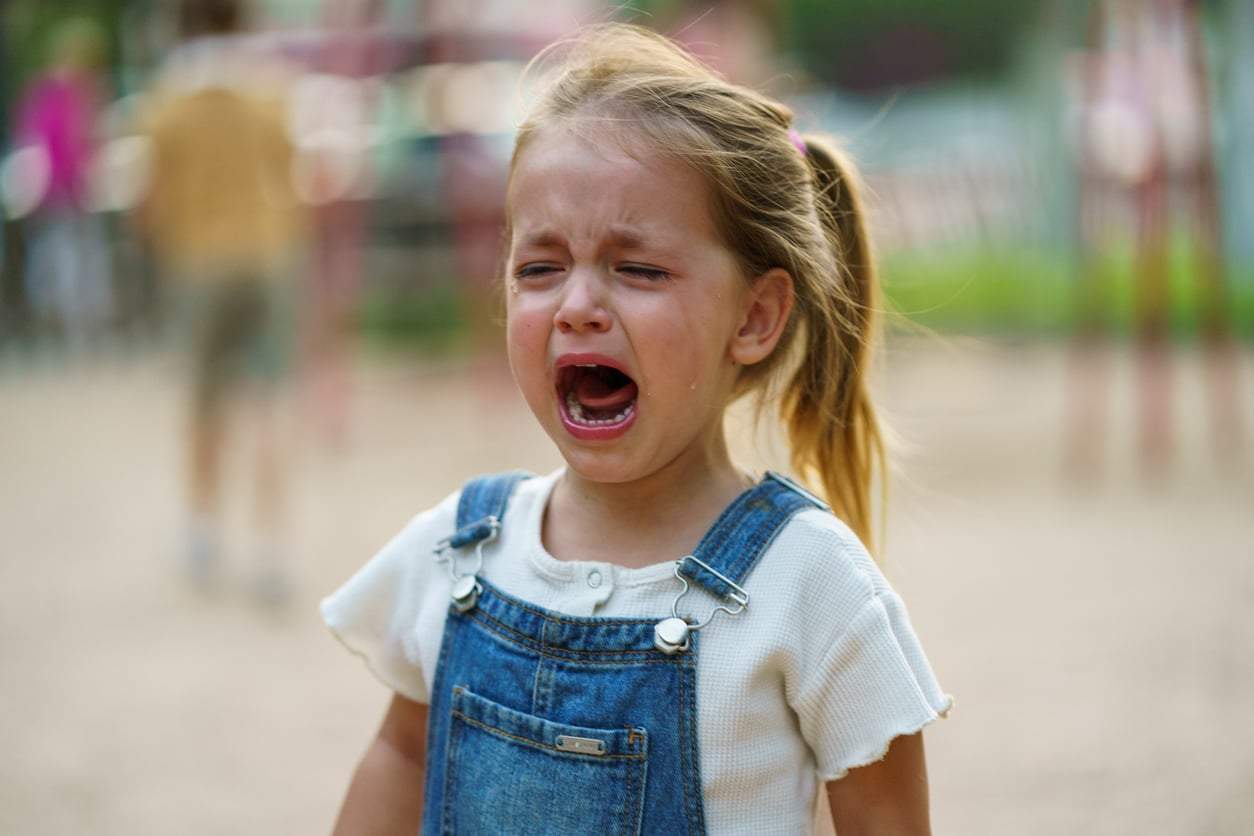
My daughter, though, often handles it far more simply. She's sad, and then she stays sad for a while. She's angry, and then she lets herself feel the anger. She doesn't try to instantly optimize or analyze what she feels.
That became an important reminder for me too. Feelings aren't enemies, and they aren't necessarily flaws waiting to be fixed. More often, they're simply showing us that something matters to us.
What is the most valuable lesson children teach their parents?
For many parents, it's patience — especially patience with themselves. Watching how gently we treat a child learning something new can reveal just how harsh we tend to be with ourselves.
How can I become more patient with myself as a parent?
Try applying the same kindness you offer your child to yourself. Remind yourself that mistakes are a natural part of learning, and that not every skill has to be mastered on the first try.
Is it okay to let children sit with negative emotions?
Yes. Sadness, disappointment, and anger all have a place in our lives. Instead of rushing to fix every feeling, it can help to simply let it be felt — because emotions often show us what truly matters.
Why do adults stop noticing everyday beauty?
We tend to rush from one task to the next and overlook the small moments around us. Slowing down, the way children naturally do, can help us rediscover the little details worth paying attention to.