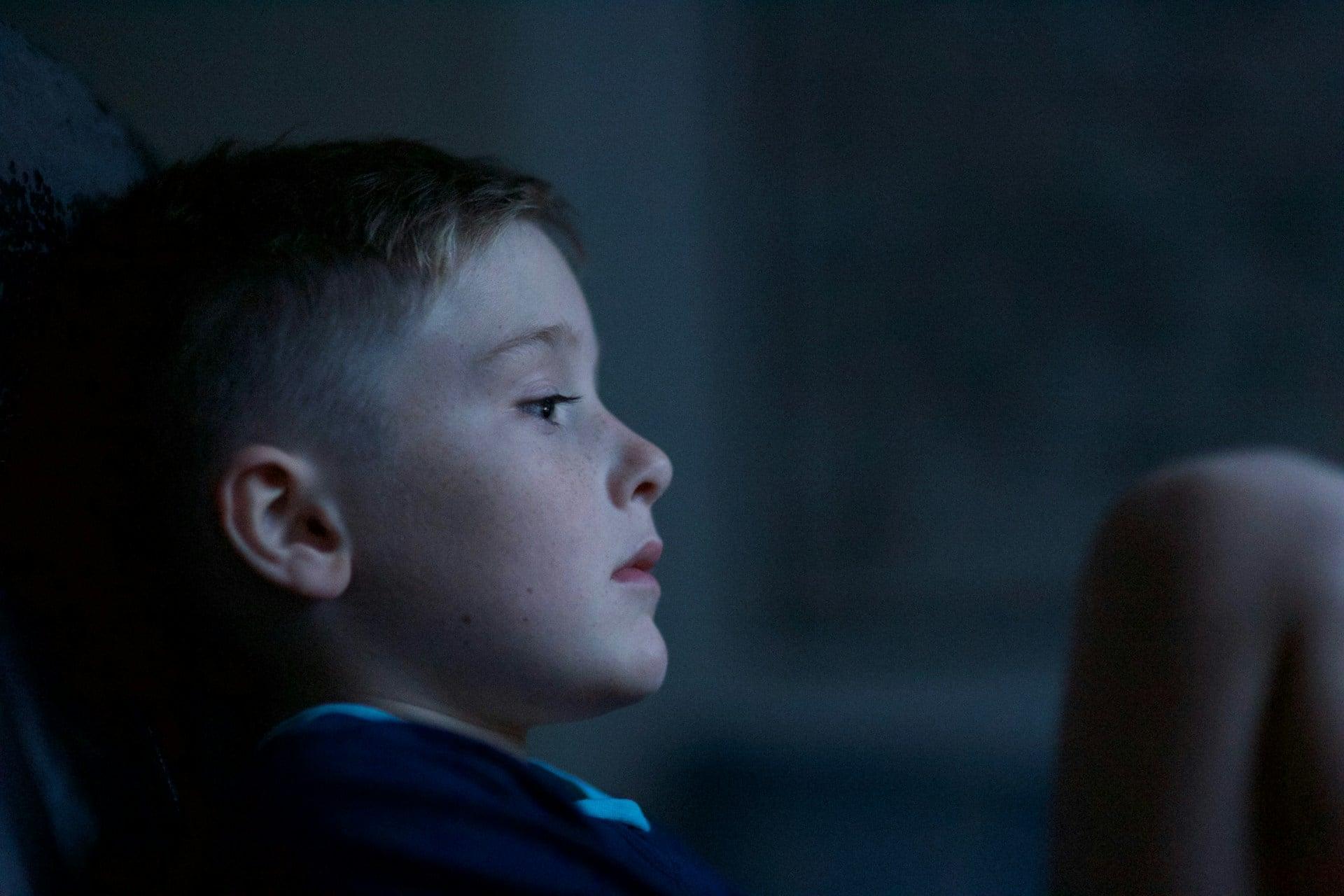
Your words don't just pass through your children — they stay. They become the voice in their heads, the standard they hold themselves to, and the emotional blueprint they carry into adulthood. Most parents don't realize just how much power they hold every time they open their mouth.
The voice in their head
There are twelve years between me and my younger brother. After our parents divorced shortly after he was born, I essentially raised him. He's 27 now, and recently our mother jokingly scolded him for buying a motorbike. "Sweetheart, whenever you feel like speeding, I hope you'll hear my voice in your head — slow down and you'll get there safely!"
My brother laughed and told her the warning voice in his head isn't hers. It's mine. She was surprised. I wasn't. I was the one who argued with him, set the rules, and played the disciplinarian when our mother couldn't. The voice that shapes a child isn't always the one you'd expect.
The words we say about ourselves
A close friend of mine who works as a psychologist gave me a piece of advice I'll never forget: stop putting yourself down in front of your daughter. Because when you do, you're teaching her to do the same to herself as an adult.
After that conversation, I stopped standing in front of the mirror muttering things like "God, I look awful in this" or "I'm such an idiot, I forgot to take the meat out of the freezer." I never thought I'd break that habit — but the image of my daughter saying those things about herself one day was enough. Sometimes the best reason to change is someone you love.
If you're working on speaking more kindly to yourself, you might also find it helpful to explore how morning affirmations can shift your mindset — and the example you set at home.
Harshness doesn't build strength
There's a persistent myth that tough words forge tough kids. They don't. Harshness doesn't create resilience — it creates self-doubt. Discipline is meant to correct behavior, not damage a child's sense of self. Yelling might feel like it gets results in the moment, but what it actually erodes is your child's confidence — slowly, quietly, and often permanently.
Correction is necessary. Cruelty is not.
It's not just what you say — it's how you say it
Tone carries more weight than words. You can say something technically kind and still make a child feel small, depending on how you deliver it. I experienced both extremes growing up.
I had an aunt who complimented me often — but her tone made it clear she didn't mean a word of it. I always felt her contempt beneath the praise. Then there was my late grandfather, who called me every ridiculous name under the sun when I misbehaved. But even in his scolding, you could feel the love. The words were sharp; the intention never was.
Children feel the difference. They always do.
Encouragement gives children structure
I'm a coach and a parent of three. One thing I've noticed consistently is that most parents don't encourage their children nearly enough. Once, I had to pull aside a particularly "results-focused" — read: controlling — father to explain that praising his son wouldn't make him soft. It would make him capable.
Encouragement gives children an internal framework. When I tell a child after a tough session, "Don't worry, you'll get it next time," I'm not being a pushover. I'm giving them permission to believe in themselves. That belief is what carries them through difficulty — not fear of failure.
Consistency builds trust — and self-worth
A parent who keeps their word raises a child who trusts themselves. When your communication is steady and reliable, your child's inner world becomes steady too. The reverse is also true: if you make promises you don't keep, your child learns not to trust you — and eventually, not to trust themselves either.
It's a small thing that carries enormous weight. Say what you mean. Mean what you say. Follow through.
You're not just raising children — you're shaping adults
My twins were around twelve when it really hit me: I wasn't just parenting children. I was programming the adults they would become. Every sentence I directed at them was leaving a mark. That realization felt like a weight — and a responsibility I couldn't take lightly.
One of my worst childhood memories is my father screaming at me. I don't remember what I'd done wrong. But I remember locking myself in the bathroom afterward and crying until I couldn't anymore. The specific words are gone. The feeling never left.
That's the truth about parenting: your children won't remember every conversation, but they will carry the emotional imprint of how you made them feel. I try every day to communicate in a way that leaves them with something worth keeping — because the patterns we set in childhood echo for a lifetime.
You can't control everything about who your children become. But you can control the voice they hear in their heads when life gets hard. Make it one that helps them.