Op-ed by Borka Schuster
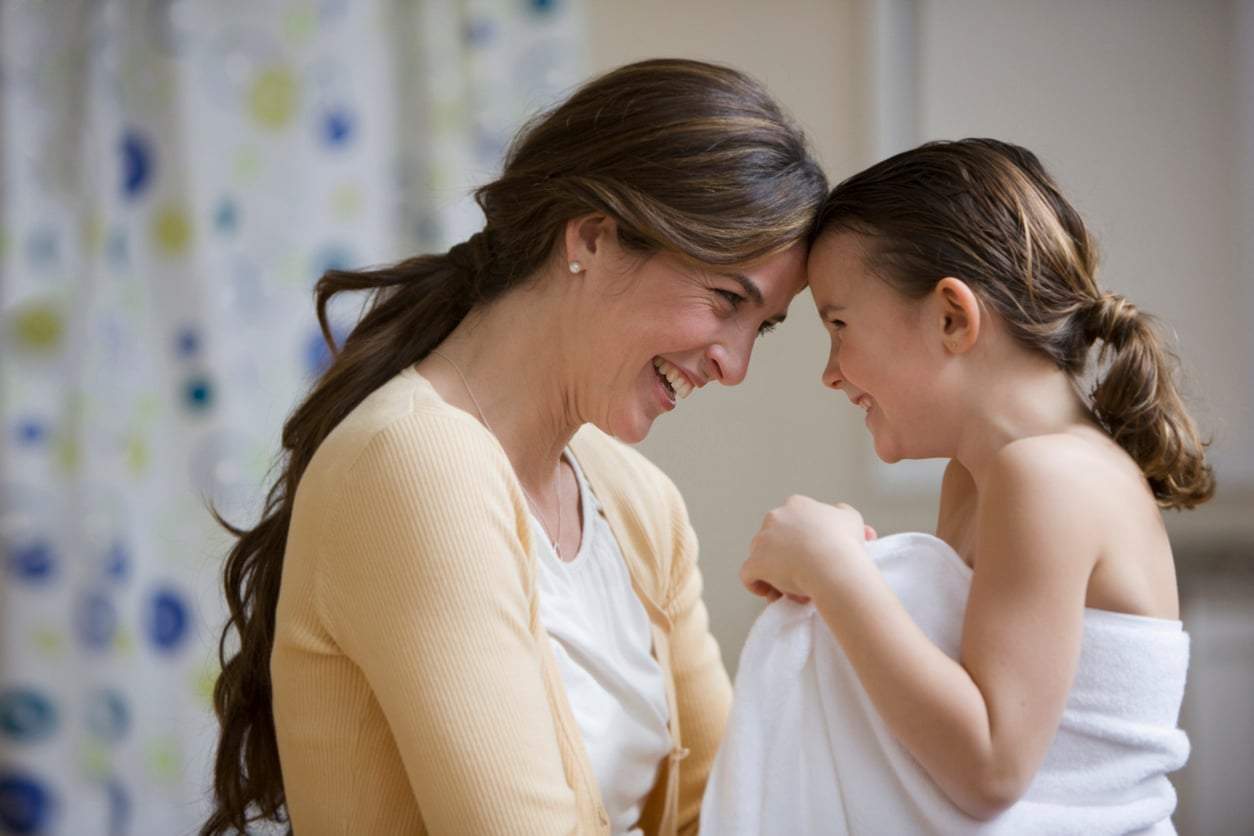
"You can be anything you want when you grow up." It's one of the kinder phrases we inherit from our own parents and pass on almost without thinking. We mean it as encouragement — a way to swing the door to the world wide open. And yet, I don't say this sentence to my daughter.
Not because I don't believe in her. Quite the opposite. It's because, if we're not careful, this well-meaning line can quietly curdle into an expectation — one a child ends up carrying for years. "You can be anything" slips far too easily into "you could have been anything, so why did you settle for this?" As if life were an infinite menu of options, where you simply pick one and wanting it badly enough is all it takes.
But deep down, we all know it doesn't work that way. As a mother, I think one of my most important jobs is to believe in my daughter — to let her feel that I trust her, that I'll support her, and that I won't put a ceiling on what she tries. And yet I feel just as strongly about teaching her something else: that not everything works out on the first try, and sometimes things don't work out at all.
Failure isn't a side note on the journey — it's an almost unavoidable part of it. And that's a far harder thing to pass on than a cheerful pep talk.
"You can be anything" simply isn't enough
Children also need to see that the road to any goal is often slow, exhausting, and full of moments that force you to rethink everything. Sometimes a person works hard for something and still doesn't get where they were headed. Sometimes it turns out that no matter how much you want it, it just isn't your strength. And that's not a tragedy. It's reality.
Then there's the part we rarely say out loud: we can't actually be anything. That might sound harsh at first, but I think while it matters to believe in ourselves, it doesn't hurt to stay realistic too. As a child, for instance, I desperately wanted to be a singer — and I never would have made it. I didn't have the voice, the talent, or the kind of relentless drive that path would have demanded. And that's perfectly fine.
Just as it's fine if someone doesn't become a graphic designer because they lack spatial awareness, or a mathematician because numbers simply don't click for them the way they do for others. That's not a judgment. It's just a difference.
We often feel that saying this out loud limits our children. But I think the opposite is true: if we don't say it, we quietly hand them an expectation that can breed a lifetime of low-grade dissatisfaction. If this idea resonates, you might also like our piece on what can really lie behind bad grades and learning struggles in kids.
Because if "I can be anything," then why aren't I something? Why am I not the best? Why don't I stand out? Why didn't the thing I tried work?
The illusion of "you can be anything"
In all our dream-nurturing, we forget to emphasize that life isn't only about the peaks. Most people won't become world-famous, won't land on magazine covers, and won't rewrite their entire profession. And they can still live a life that's good, balanced, and meaningful to them. In fact, maybe that's the part that matters most.
I want my daughter to dare to dream — but not to measure herself by how exceptional she is. I'd rather she measure herself by how good she feels doing what she does. By how at peace she is with herself even when something doesn't work out on the first try, or when she ends up heading in a completely different direction than she'd imagined.
The goal isn't for her to be the best at everything. It isn't even for her to stand out at anything in particular. The goal is for her to find the thing where she feels genuinely well. And if reaching that means sometimes letting go of the illusion that she can be anything, I don't see that as a loss. I see it as a kind of clarity.
The world doesn't shrink when we learn that we have limits. It gets sharper and clearer. It becomes easier to see which paths are worth walking and which will only ever be a wish. And that's what I'd rather teach her: not to want everything, but to find the thing that is truly hers.
Isn't telling a child they have limits discouraging?
Not the way I mean it. It's not about lowering expectations, but about staying honest. When we acknowledge limits alongside encouragement, we protect kids from the constant dissatisfaction that comes from believing they should be able to do anything.
What should I say to my child instead of "you can be anything"?
Focus on effort and how they feel, not on standing out. Help them dare to dream while also learning that not everything works out — and that finding something they genuinely enjoy matters more than being exceptional at it.
Why is teaching kids about failure so important?
Because failure isn't a side note on the journey — it's an almost unavoidable part of it. Children need to see that the road to any goal is often slow and full of setbacks, and that not succeeding at something isn't a tragedy, just reality.
Does accepting our limits really make life better?
Yes. The world doesn't shrink when we learn we have limits — it gets clearer. Recognizing what is truly ours makes it easier to see which paths are worth pursuing and which will only ever remain a wish.