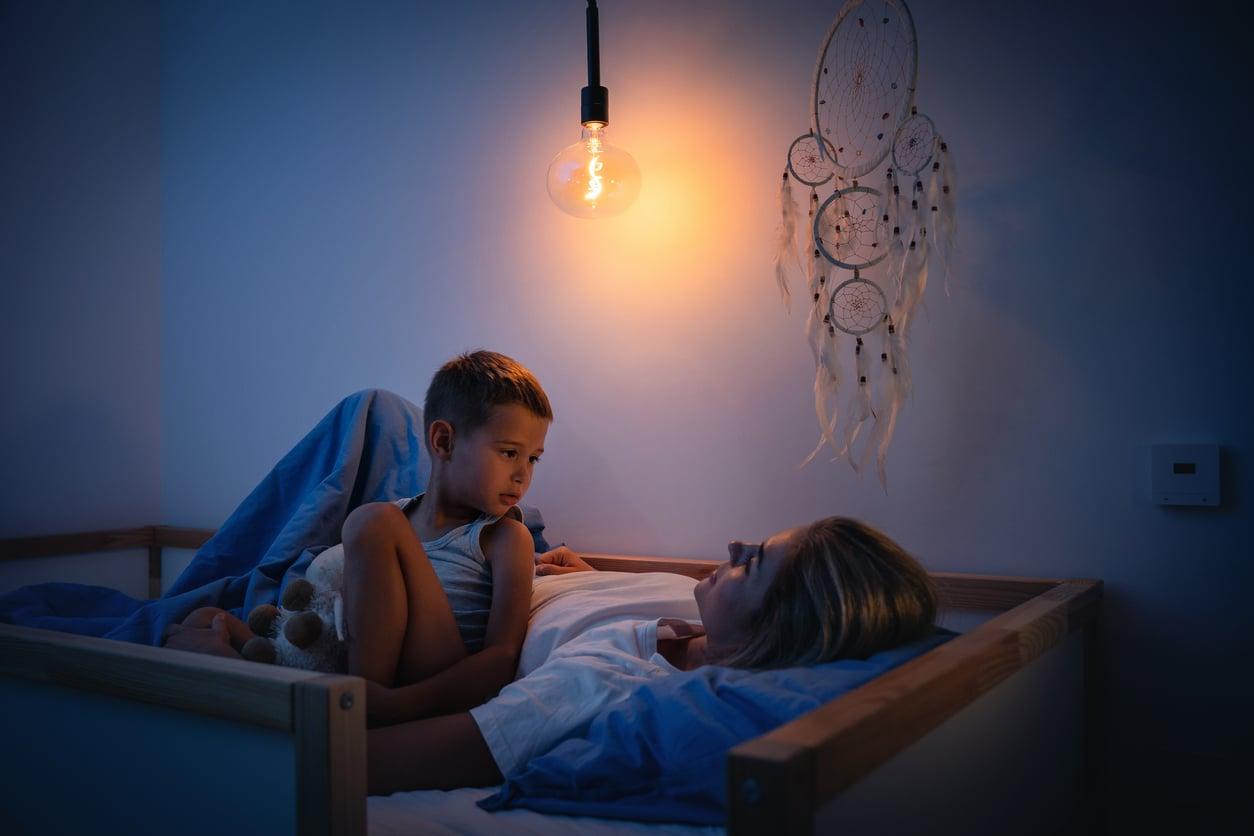
Most kids don't naturally say "I felt left out today" or "I was really proud of myself." They need a safe space, the right moment, and — ideally — a little game to make it feel less scary. That's exactly what these three evening activities offer. Simple, playful, and surprisingly powerful, they help children put words to their emotions while bringing the whole family closer together.
Why talking about feelings matters more than you think
Emotional intelligence isn't a soft skill — it's a life skill. Children who can identify and express their emotions are better equipped to handle conflict, build friendships, and manage stress as they grow up.
When kids learn to put their feelings into words, they gradually understand what's happening inside them — and how to respond to what others are feeling too.
Evening conversations also strengthen language skills, expand vocabulary, and encourage critical thinking. And the best part? When adults join in, children see that sharing emotions is completely normal — not something to hide or be ashamed of.
3 evening games to build emotional intelligence
These three ideas work best as part of a relaxed bedtime routine — no screens, no pressure, just honest conversation wrapped in a little fun. The goal isn't to dig deep every night, but to make emotional expression a natural, everyday habit.
1. The feelings map
Give everyone a piece of paper and some colored pens. Each person chooses a color to represent how they felt that day and draws or writes it down — it can be a shape, a symbol, a word, or even a scribble. There are no wrong answers.
This visual approach is especially helpful for younger children who may struggle to find the right words. Seeing their emotion represented on paper makes it feel real, valid, and easier to talk about. Once everyone has their map, share them together and ask: "What does this color mean for you today?"
2. The story game
This one is built around storytelling and a touch of role-play. Take turns telling a short story — real or imagined — about an emotional moment from the day. Maybe someone felt nervous before a test, or excited about something small that happened at lunch.
The key is that adults play too. When children see their parents or caregivers openly talking about their own feelings, it sends a powerful message: emotions aren't weakness, they're just part of being human. It also gives kids a model for how to express themselves clearly and kindly.
3. Feelings Q&A
Think of this as a warm, emotion-focused version of a classic question-and-answer game. Each family member takes turns asking the others a feelings-based question about their day — something like "What made you smile today?" or "Was there a moment that felt a little uncomfortable?"
Honest, gentle answers build empathy and deepen connection. Over time, children become more comfortable sitting with complex emotions rather than pushing them away. This game works beautifully for all ages — and you might be surprised by how much the adults get out of it too.
Small rituals, big impact
You don't need a therapist's toolkit or hours of free time to raise emotionally intelligent children. A few minutes each evening, a willingness to be open yourself, and one of these simple games is enough to make a real difference.
These kinds of rituals don't just help kids — they strengthen the whole family. When everyone feels heard and safe to speak honestly, relationships grow deeper and trust becomes something you build together, one evening at a time.