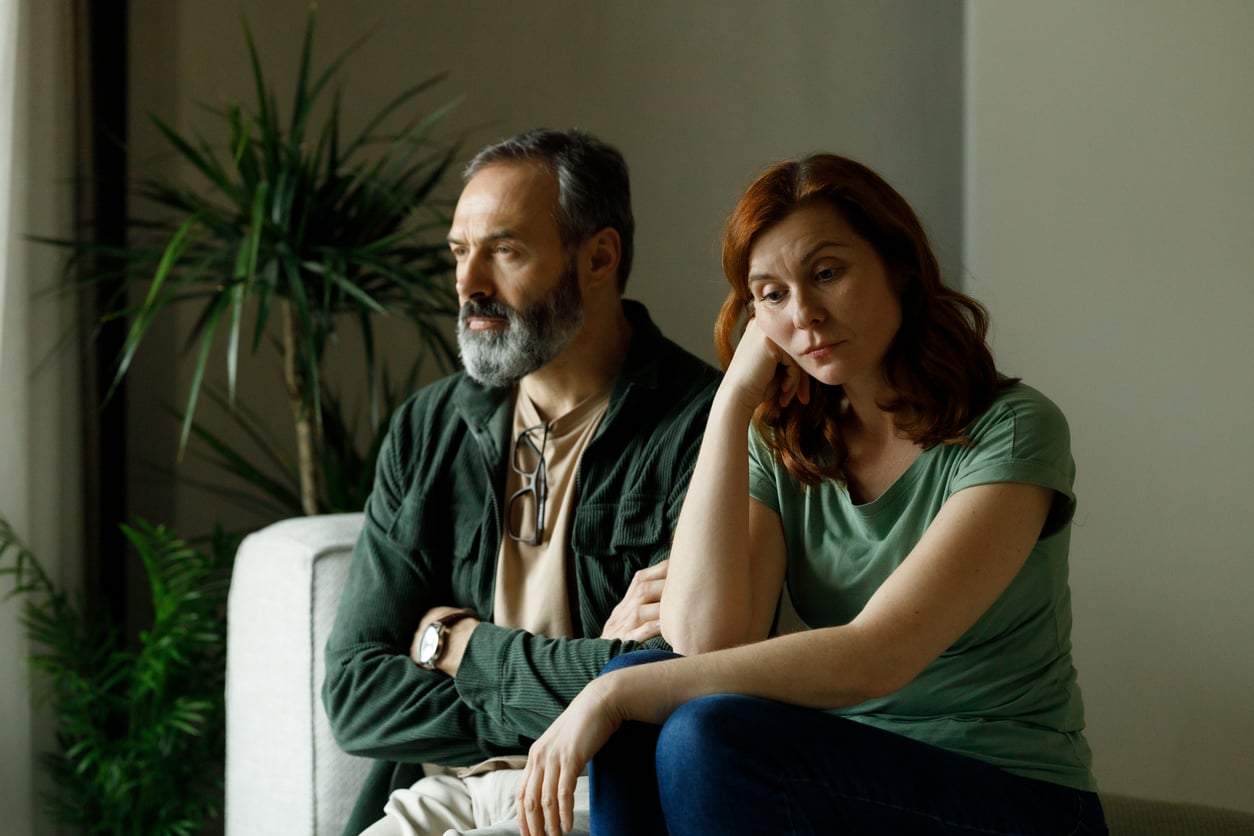
We tend to think the person who ends a relationship has it easy. They made the choice, so they must feel relieved, even free. But the truth is far more complicated.
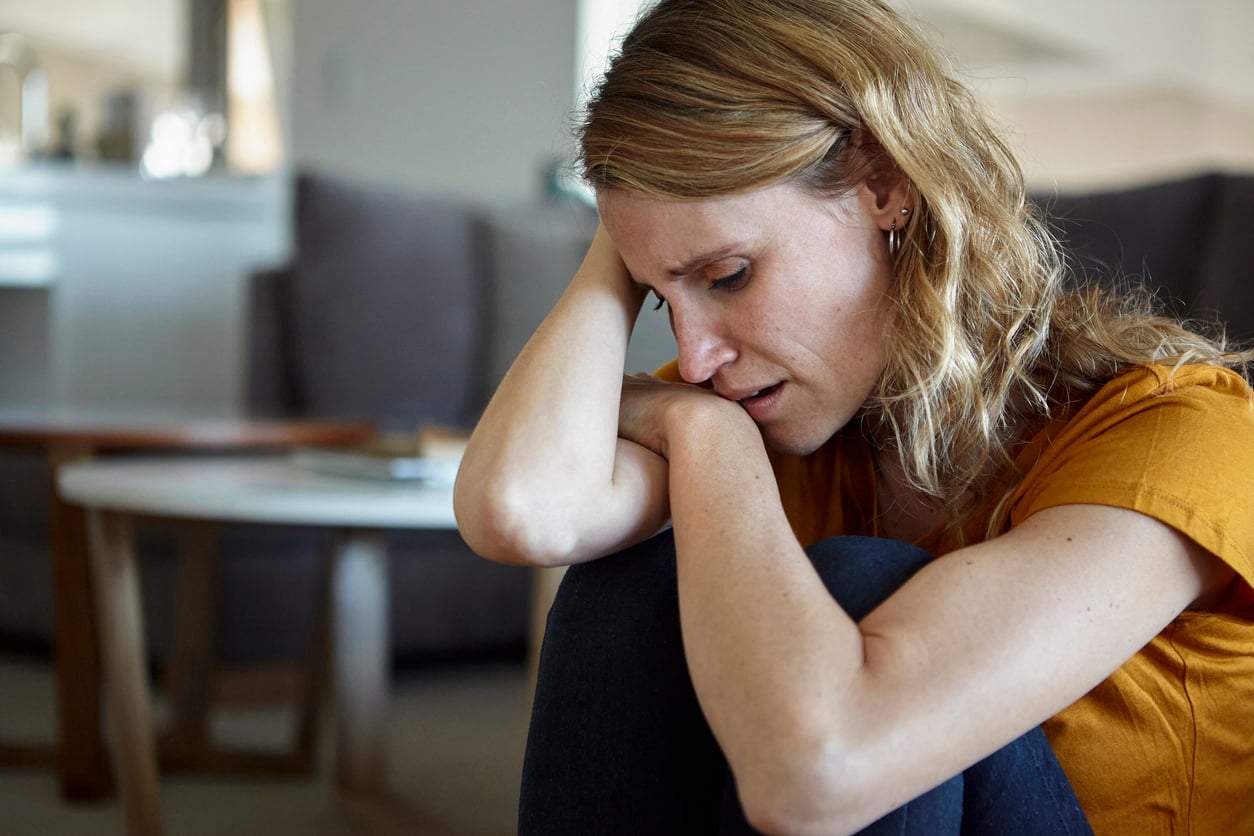
Being the one to walk away can hurt just as deeply as being left behind. It's simply a different kind of pain, and often a lonelier one.
The weight of the decision
Ending a relationship is one of the hardest choices a person can make. It rarely happens on impulse. Behind that final conversation are weeks, sometimes months, of doubt, guilt, and quiet emotional wrestling.
And once the decision is made, the responsibility sits heavily on the one who made it. They're the one consciously dismantling a shared past and a future both partners believed would last a lifetime.
A breakup doesn't only bring the pain of a lost relationship. It can also shake your sense of self. Suddenly the picture you had of the future is gone, and you're left asking whether you made the right call at all.
Guilt and the emotional load
People who initiate a breakup often battle an almost unbearable sense of guilt. Contrary to the familiar cliché that the person left behind is the only victim, the reality is that both people suffer, just in different ways.
Guilt places an enormous emotional burden on the one who leaves. Am I being unfair? Did they really deserve this? These questions can loop endlessly.
And alongside the guilt, the initiator still has to face their own feelings and grieve the relationship too, even though they were the one to walk away.
When the future changes overnight
Ending a relationship means the future you imagined together dissolves in an instant. The person who leaves also gives up the comfort of closeness, affection, and shared expectations, and suddenly finds themselves alone.
That solitude isn't just loneliness. It's a whole new set of challenges to face without a partner by your side.
The future you once shared with someone simply vanishes, leaving an emptiness behind. The difficulties of starting over, and the fear of the unknown, become very real hurdles the initiator has to overcome.
The support that never comes
When a couple splits, emotional support almost always flows toward the person who was left. Friends and family see their pain and rush to comfort them. The one who ended things, meanwhile, is often overlooked, and few people acknowledge that they're hurting too.
Many people are so focused on helping the one who "lost" that they never realize the person who ended the relationship needs emotional support just as much.
There's also the question of whether their pain is even allowed. "If you chose to leave, why are you complaining about the pain?" That attitude can push the initiator into a quiet isolation that only deepens their loneliness.
Self-reflection and growth
And yet, being the one to end things also holds real potential for growth. It's not only a chance to start fresh, but an opportunity to understand what you truly want in a relationship and where you want your life to go.
The person who takes that step often goes through deep self-reflection, and in the long run it can steer their life in a genuinely positive direction.
After a difficult ending, you can come out stronger, more resilient, and better equipped to handle the emotional challenges that inevitably return.
Does the person who ends a relationship really feel pain?
Yes. Although we often assume the initiator feels relieved, they usually carry guilt, grief, and the loss of a shared future, just like the partner who was left.
Why does the person who breaks up often get less support?
Because friends and family tend to see the one who was left as the victim and rush to comfort them. The initiator is frequently overlooked, and some even question whether they have the right to feel hurt at all.
Can ending a relationship lead to personal growth?
It can. Making that difficult choice often triggers deep self-reflection, helping you understand what you want and emerge more resilient and better prepared for future emotional challenges.
Is guilt normal after breaking up with someone?
Very much so. Guilt is one of the heaviest emotions the initiator faces, often surfacing as doubts about whether the decision was fair or right.