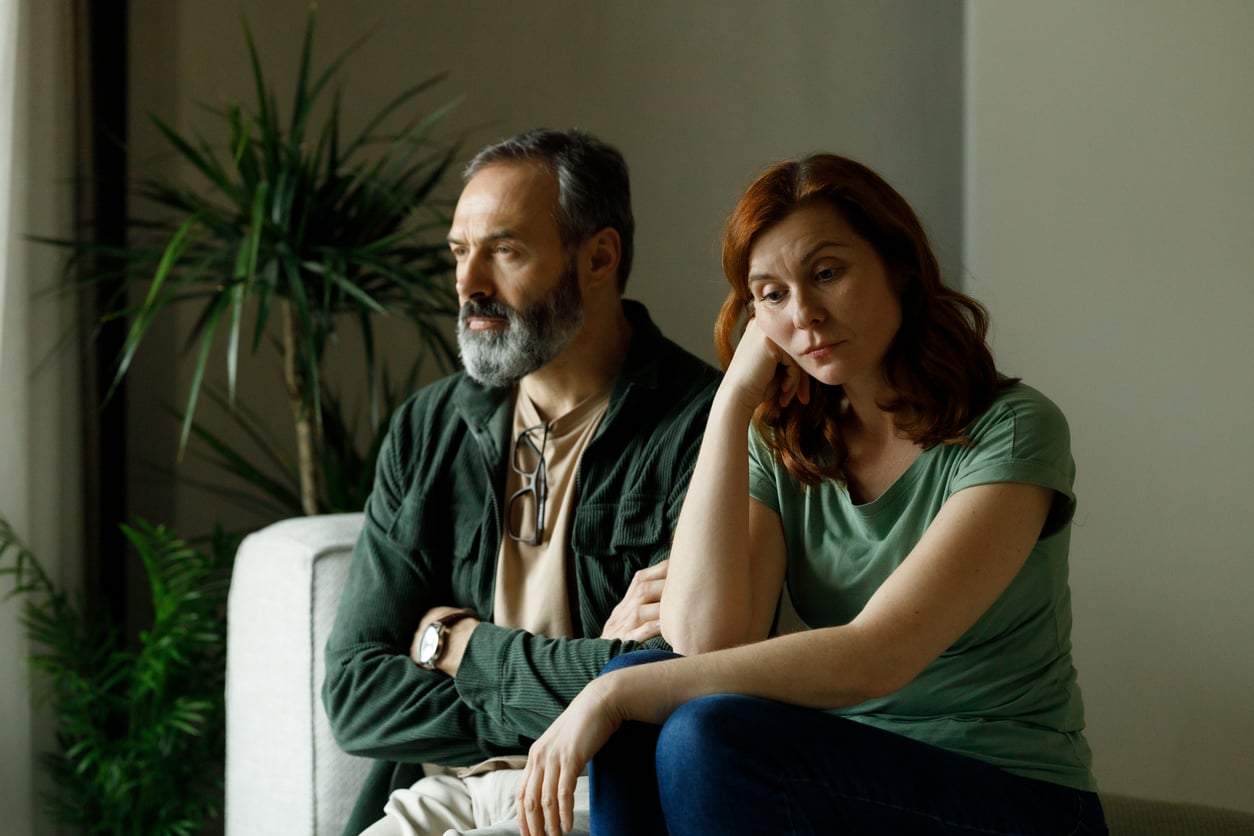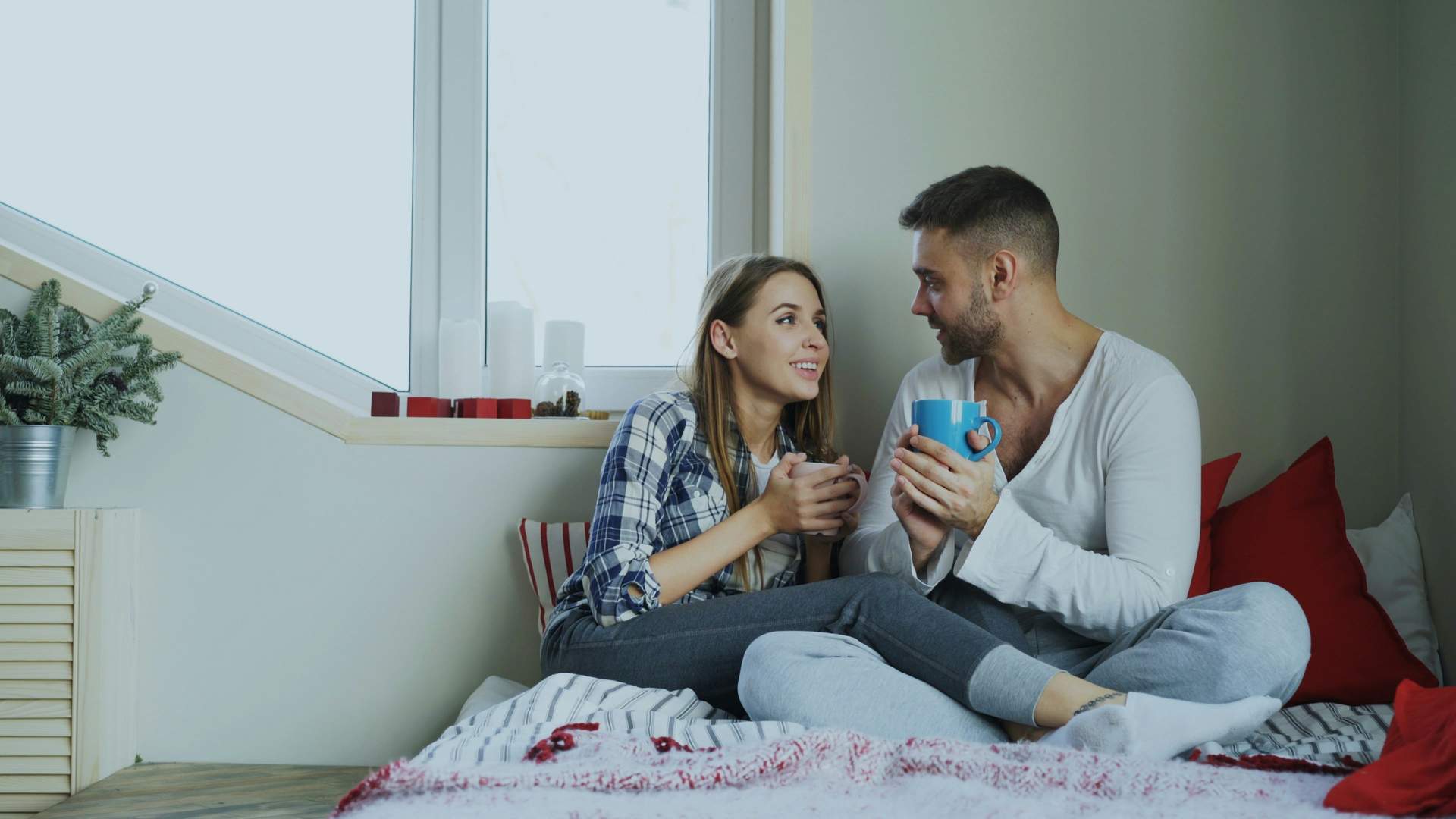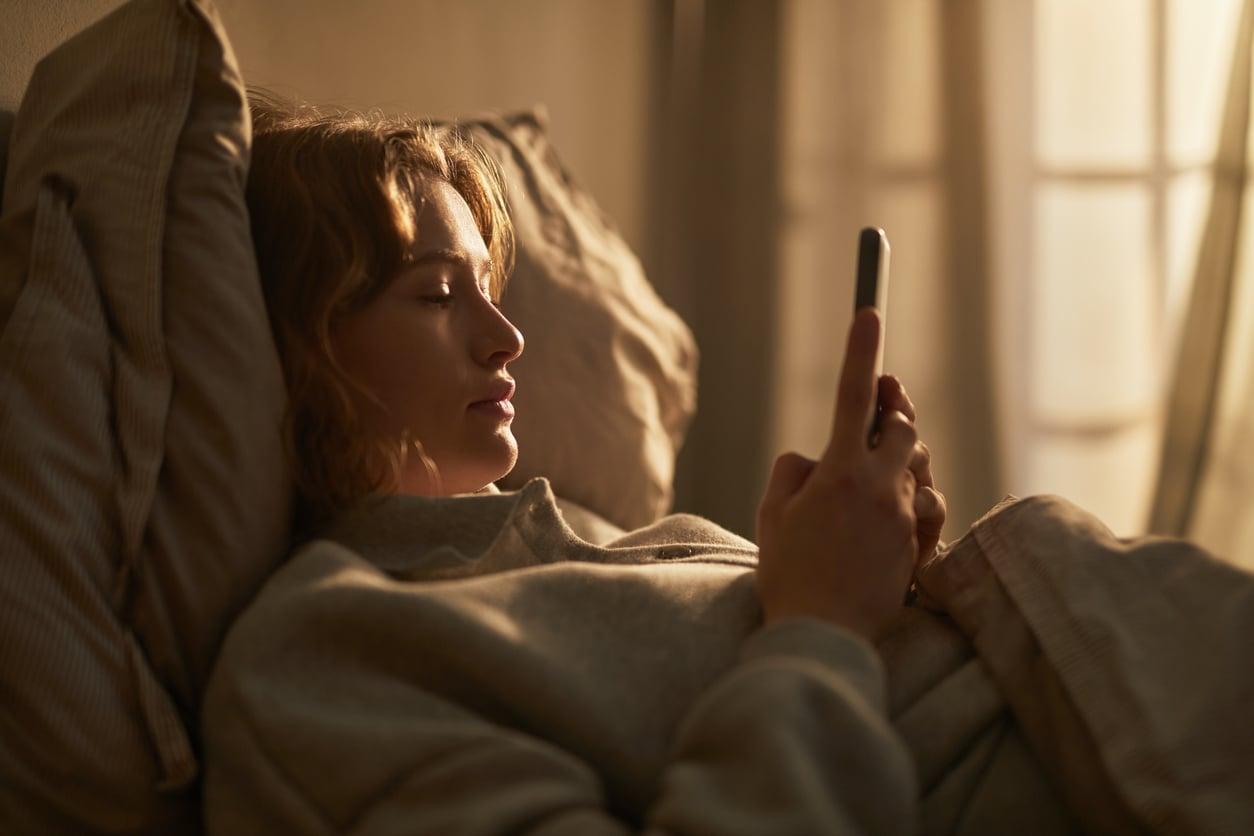
They look sweet, harmless, even inspiring. A perfect couple, a grand gesture, a soundtrack that makes your heart swell. You scroll past dozens of these romantic clips every day without thinking twice.
But here's the uncomfortable truth: watching too many of them may be quietly rewiring what you expect from love — and making your very real, very good relationship feel like it's somehow not enough.
The dark side of idealized love
Romantic videos often push a very specific image of what a relationship should look like. These polished, dreamy moments can slowly plant unrealistic expectations — about other couples, and about your own partner too.
A short, feel-good clip might lift your mood for a few seconds. But over time, a steady diet of them can distort the way you understand love itself.
These glossy little stories have a sneaky effect: they can leave you feeling like your own relationship isn't good enough. The reality? Every relationship takes work, and the flawless perfection these videos sell sits a very long way from everyday life.
What psychology says about what we watch
Psychological research suggests that the visual messages we see over and over can genuinely shape how we think. The brain absorbs repeated cues surprisingly easily — especially when those cues trigger an emotional reaction.
Studies have found that people who regularly consume idealized content are more likely to struggle with self-esteem, to feel dissatisfied with their own relationship, and to be less willing to face and solve the real problems in their love life.
If you've ever noticed that these subtle emotional cues can influence you more than you'd like, you already understand how powerful this effect can be.
Romantic clips versus real life
Romantic videos love to suggest that happiness and love arrive like magic — instant, conflict-free, and utterly overwhelming. Real relationships don't work that way. By their very nature, they're complex, and sometimes they're hard.
The problem is that this content only ever shows the highlight reel. The ordinary, unglamorous stretches of daily life get edited out completely. What's left is a warped mirror that makes struggle look like an avoidable side note rather than a normal part of loving someone.
How to find a healthier balance
Watching romantic videos isn't wrong in itself. What matters is recognizing when they're subtly influencing you. The first step is simply reminding yourself that a real relationship isn't built on pink clouds — it's built on shared effort, patience, and compromise.
It also helps to be more intentional about what you consume online. Lean toward voices and sources that focus on understanding and strengthening real relationships, rather than selling you a fantasy. And if you notice these videos are dragging down your mood, there's nothing wrong with cutting back on them.
Instead of chasing false ideals, put your energy into building and nurturing the real thing — and resist the pull of expectations that were never realistic to begin with.
Are romantic videos actually bad for you?
Not on their own. The concern is watching so many that they start to distort what you expect from love and leave you dissatisfied with a perfectly healthy relationship.
Why do these clips feel so convincing?
Because the brain absorbs messages it sees repeatedly, especially emotional ones. Seeing idealized love over and over can quietly reshape how you think about your own relationship.
How can I tell if they're affecting my mood?
If you find yourself feeling like your relationship isn't good enough after scrolling, that's a signal. Noticing that shift is the first step toward regaining balance.
What should I do instead?
Be more selective about what you watch, favor content that helps you understand real relationships, and if the clips drag you down, simply cut back on them.