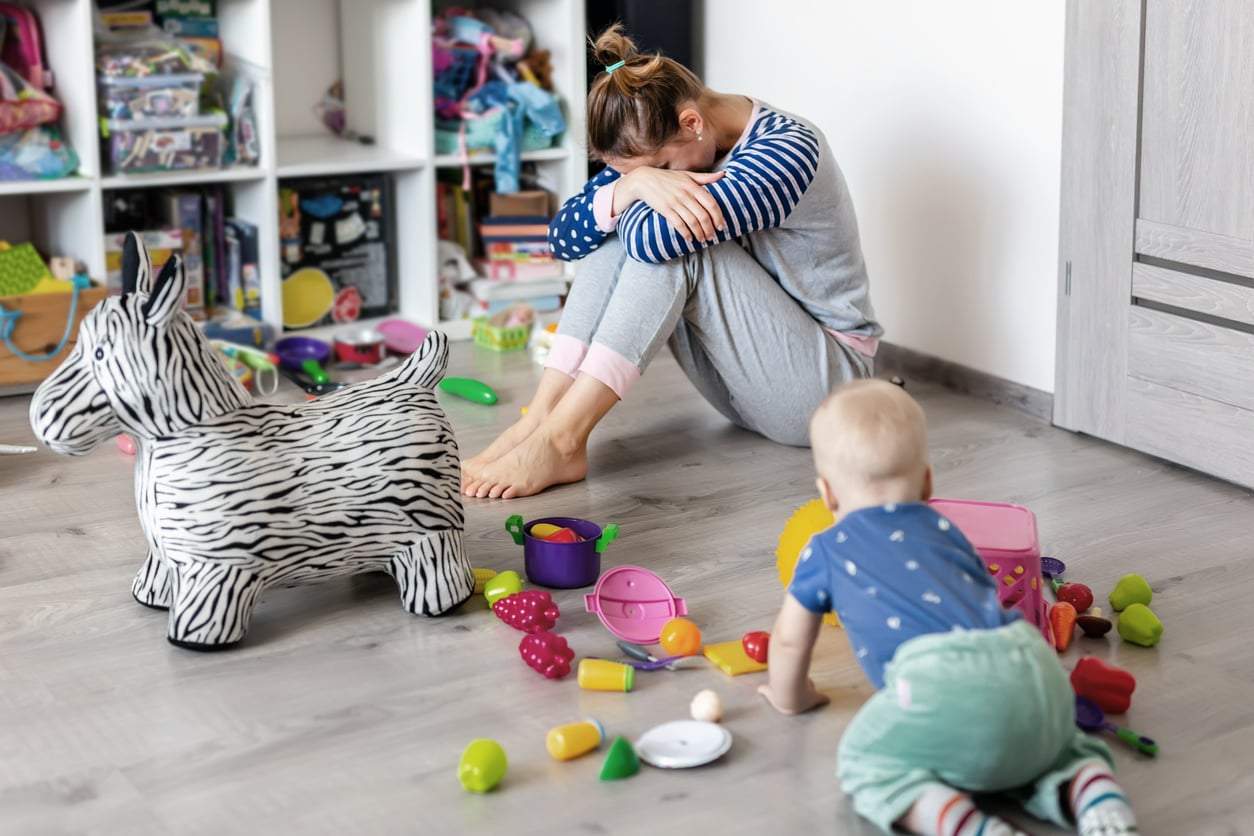
The first time your child spends a longer stretch at the grandparents' house, it isn't always the little one who struggles most. Often, it's you.
The empty room, the too-quiet mornings, the constant urge to check in — it can feel unexpectedly heavy, especially if you've rarely let them go for more than a night. But with a few simple mental and emotional strategies, this time apart can become lighter, calmer, and maybe even something you look forward to.
1. The art of letting go
One of the hardest parts of parenting is learning to loosen your grip. It helps to remember that children need their own experiences — moments where they grow through independence and discovering the world on their own terms.
Time with the grandparents is exactly that kind of opportunity. Trust that your child is in good hands, especially once you've talked through the ground rules with both the little one and the grandparents.
Try to release the need for constant control. You're not stepping back — you're actively helping your child become more confident, capable, and independent.
2. Fill the time with something you love
What if you finally opened the book that's been sitting on your nightstand for weeks? Or booked that yoga class you keep meaning to try? Use this window to take care of yourself.
Regular time spent on you isn't a luxury — over the long run, it can do wonders for your mental health. Let this be the summer where rest and emotional recharging move to the center of your world.
You won't just refill your own energy — you'll come back far more patient with your child when they're home again.
3. Give yourself permission for "me time"
So many of us wrap our free time in guilt the moment the people we love most aren't around. Try to accept that it's perfectly okay to focus on yourself right now.
Reframe it: your child's absence isn't a loss, it's a chance to breathe, reset, and reconnect with who you are outside of parenting. That shift doesn't only ease stress — it can inspire you to step back into your role as a mom or dad in a deeper, more present way.
If the quiet still feels uncomfortable, it can help to explore small daily rituals that support your mental well-being during slower seasons.
4. Stay connected with the grandparents
Keeping in touch with the grandparents matters, even while your child is happily busy with them. Ask how the day went, what they did together, and show genuine curiosity about your little one's adventures — that way you stay part of these moments too.
Steady communication isn't just reassuring for you. It also helps the grandparents better understand the values and routines you'd like to pass on to your child.
5. Keep a journal of your feelings
Naming emotions can be hard, but writing them down often makes them easier to process. Keep a short journal about how you're living through this time — your fears, your joys, the small surprises.
Putting thoughts on paper gives them structure, and it can help you understand why you feel the way you do.
For both parents and children, these little separations can become richer, more meaningful experiences than we expect. With a bit of intention, this time apart becomes a chance to rest, recharge, and return to everyday life with fresh perspective.
Is it normal to feel anxious when my child stays with the grandparents?
Yes. It's very common to feel stress or worry, especially if you've rarely let your child go for a longer time. A few emotional strategies can make the experience calmer and even enjoyable.
How can I stop constantly checking in?
Try releasing the need for constant control and trust that your child is in good hands. Agreeing on the ground rules in advance with both the child and the grandparents makes letting go easier.
How often should I contact the grandparents?
Stay in touch enough to feel reassured — ask how the day went and what they did together. Steady communication keeps you part of the moments and helps the grandparents understand your routines and values.
What should I do with all the free time?
Use it for yourself: read that book, try a class you've been putting off, or simply rest. Regular time spent on your own well-being supports your mental health and makes you more patient when your child returns.