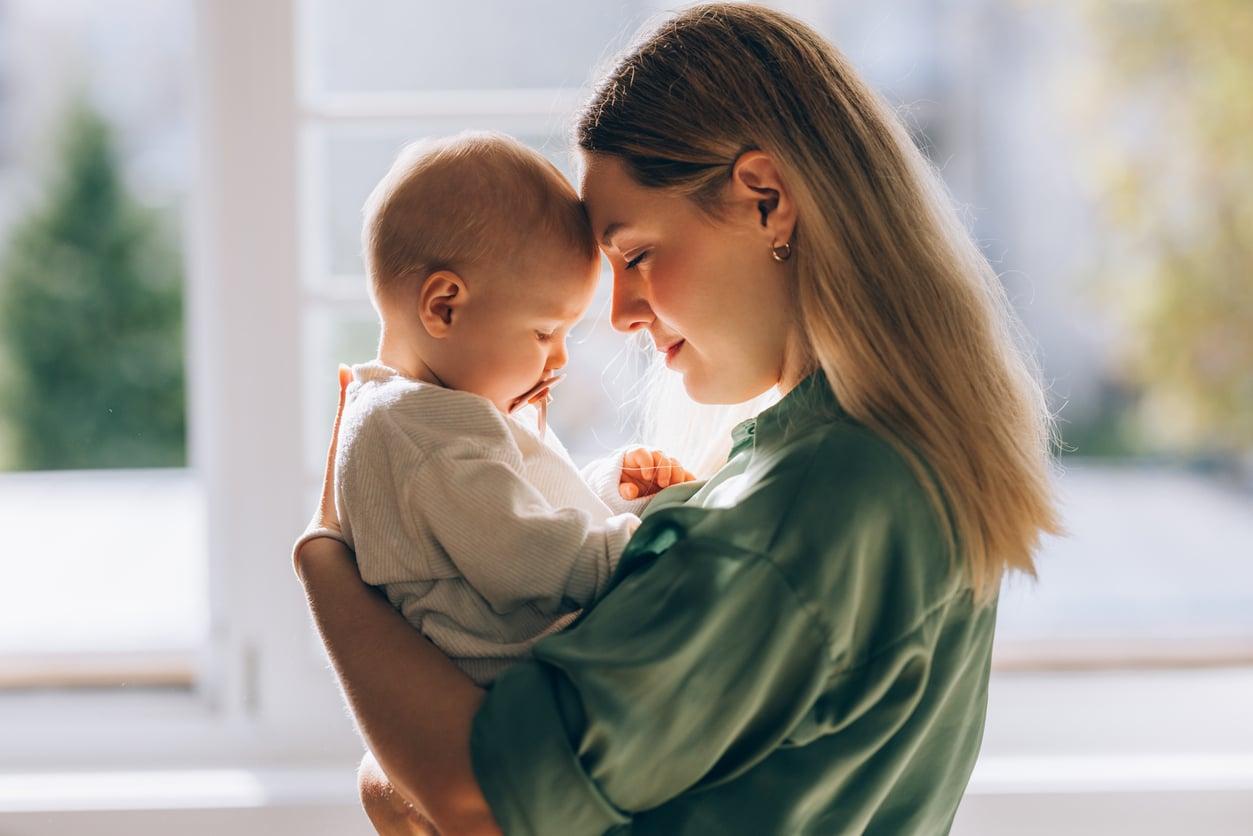
Scroll through your feed for five minutes and you'll meet her: the new mom who's already "bounced back", smiling through a workout while the baby sleeps peacefully in the background. Toned body, tidy home, calm mood — as if that's the baseline every woman should hit.
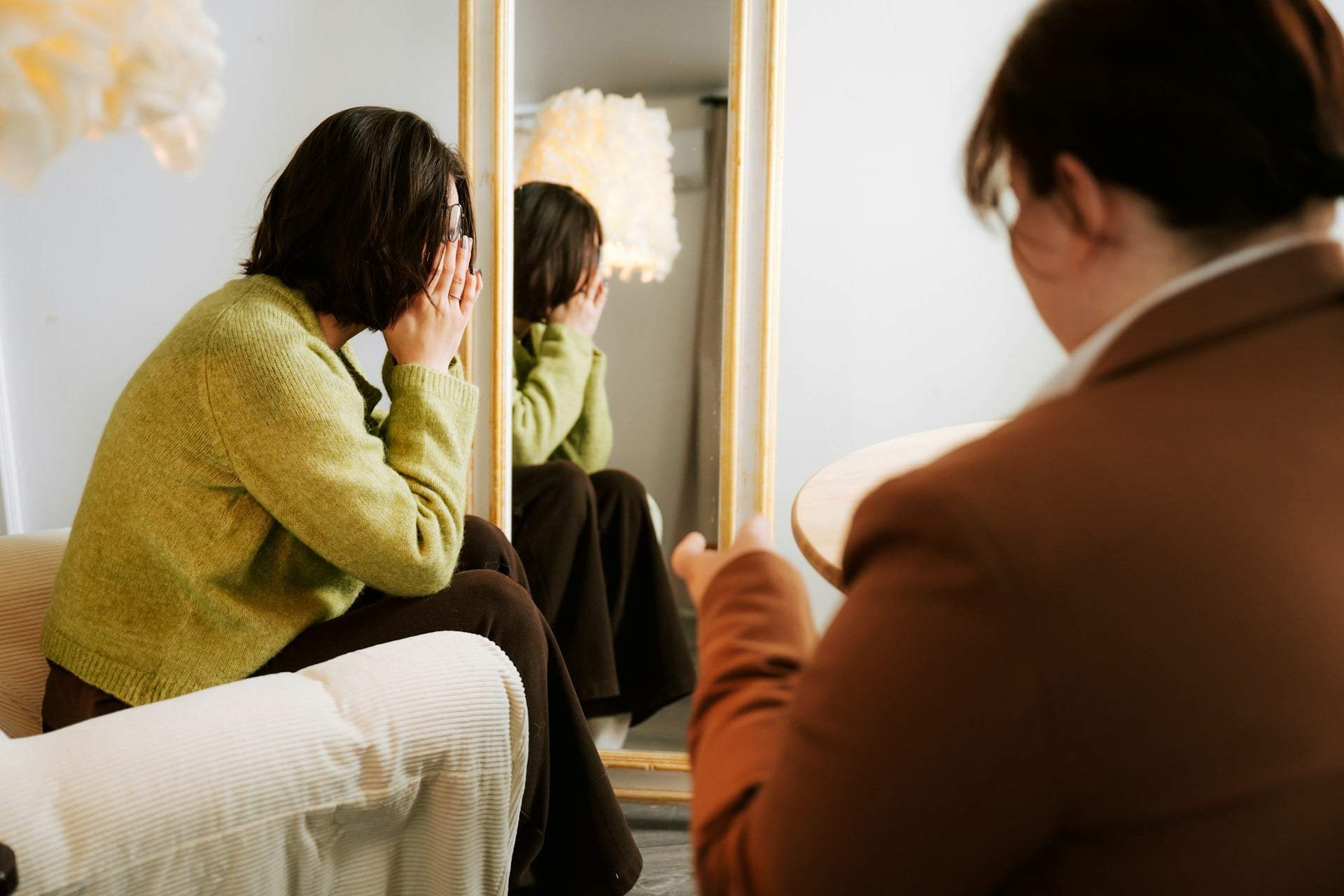
But these images often hold up a distorted mirror. They may look like inspiration, yet for many women — whether they're mothers or not — they tend to spark frustration, anxiety and quiet dissatisfaction instead.
The "perfect mom" is an impossible ideal
Let's say it out loud: the perfect mother doesn't exist. Just as there's no perfect person, motherhood isn't a flawless performance to win.
Motherhood is constant adaptation — a mix of easier stretches and genuinely hard ones. What I see around me is that everyday reality rarely looks like gym selfies and serene, glowing moments. More often it's exhaustion, uncertainty and endless logistics.
What the camera never shows
The content that goes viral rarely tells the whole story. Behind one carefully staged photo, we don't see:
- the multiple wake-ups every night,
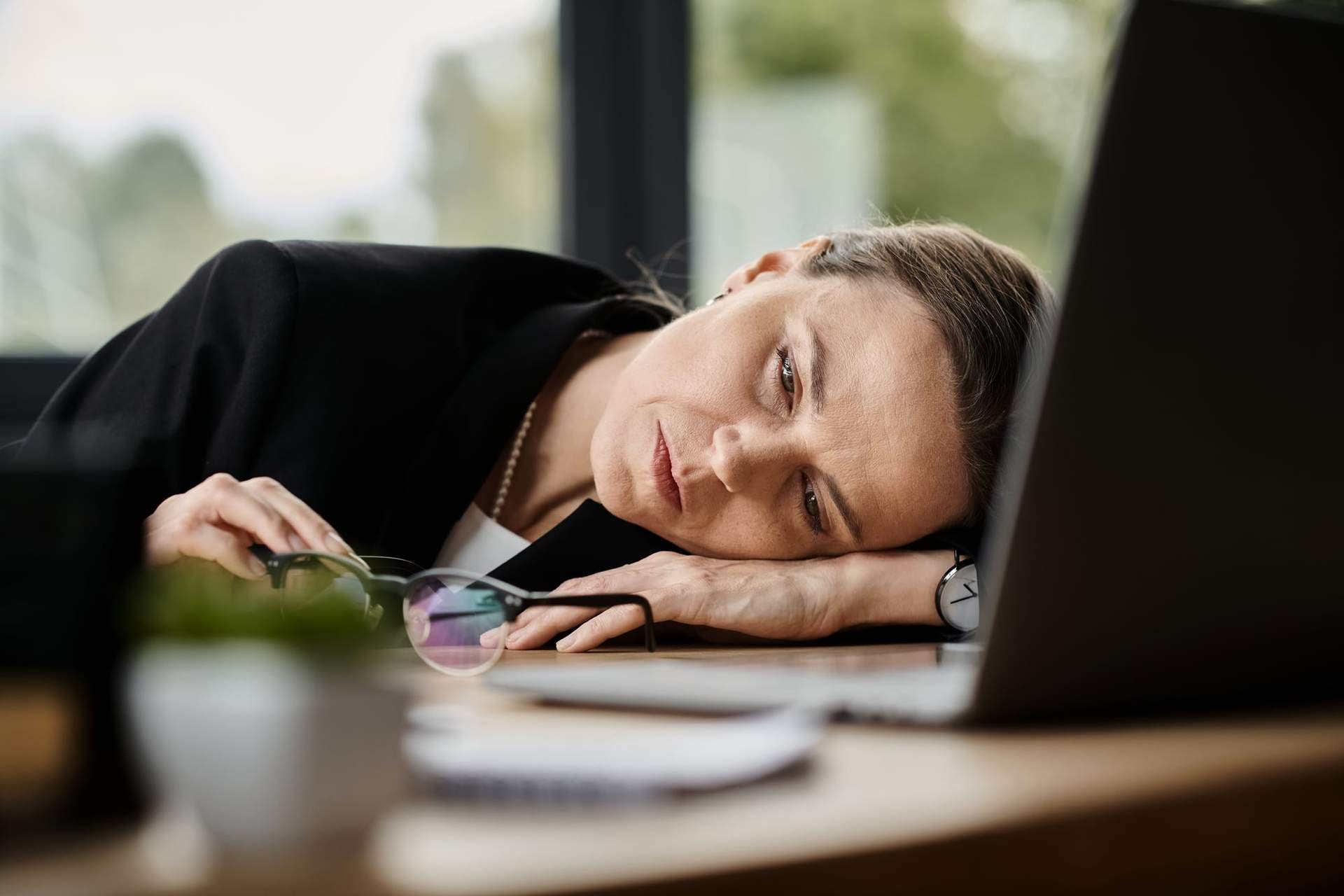
- the physical and emotional exhaustion,
- the help quietly happening off-camera,
- the gap in financial resources from one family to the next.
The "fast recovery" or "instant snap-back body" is often not reality at all — it's an edited moment.
Not every mother starts from the same place
How you experience motherhood depends heavily on your circumstances. Some women can afford support — a nanny, family nearby, or various recovery services. Others do all of it alone, on minimal rest and with far fewer resources.
This isn't a competition, and these aren't comparable situations. Having more time for yourself doesn't make you a "better mom". And your days revolving almost entirely around your child doesn't make you any less of one.
The invisible reality: fatigue, body image and mental load
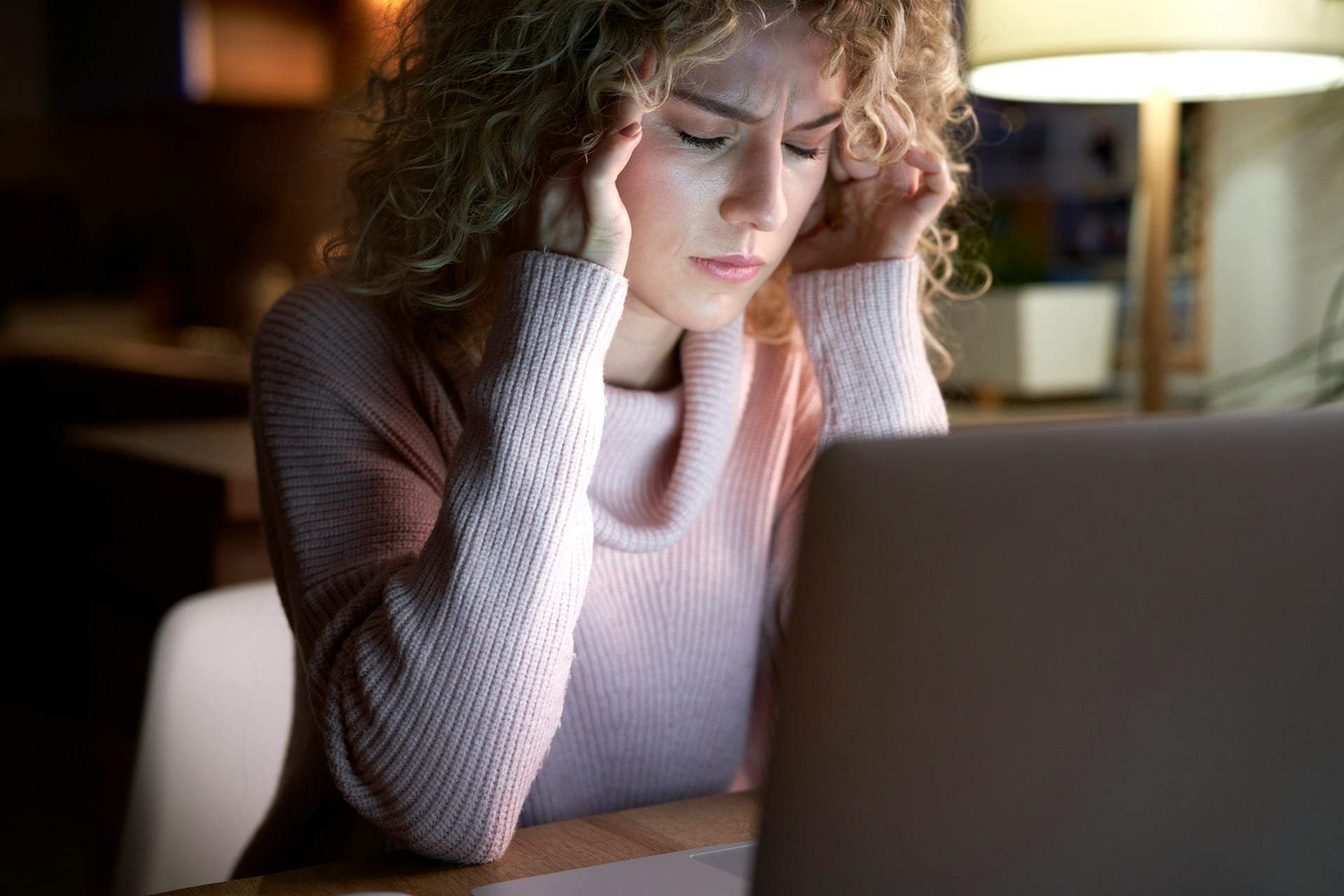
So much stays hidden behind the pictures. We don't see the long, sleepless nights, the struggle with breastfeeding or getting a baby to sleep, the hormonal shifts, or the emotional lows.
The postpartum period is not just physical recovery — it's a major emotional and mental adjustment too. During this time a woman's body image can take a hit, and her own needs often get pushed to the bottom of the list.
Why the "perfect mom" ideal actually harms us
This idealized picture can be damaging on several levels:
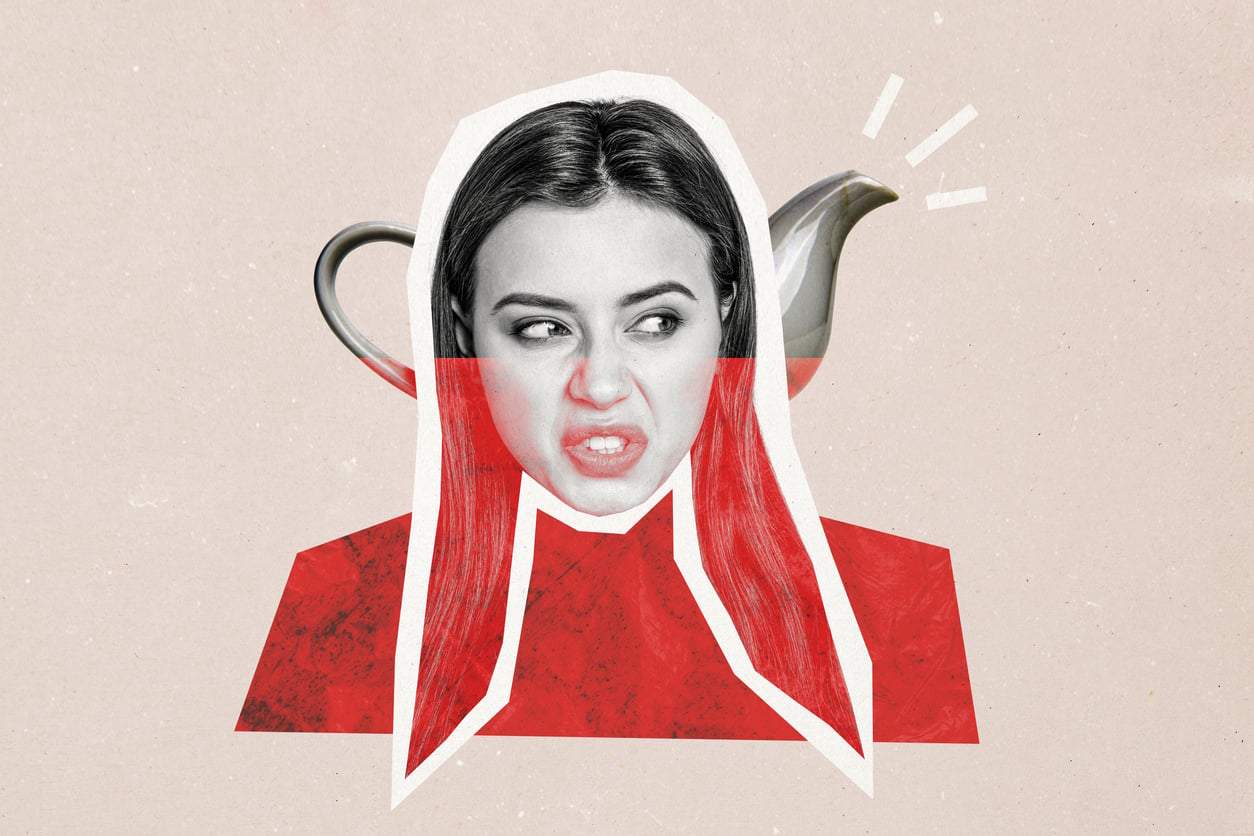
- it fuels guilt and self-criticism,
- it sets unrealistic expectations,
- it pushes women into constant comparison,
- and it makes mothers doubt their own decisions.
Yet motherhood isn't an exam you can only pass or fail.
What being a "good mom" really means
A "good mother" isn't defined by a flawless appearance or a picture-perfect daily routine. What matters far more is that:
- the child grows up safe and loved,
- the mother also cares for her own physical and emotional health,
- she's present in her real life, not in an idealized role.
Messy hair, tired eyes or a body that isn't "perfect" says nothing about the quality of her mothering.
Let go of perfect
Maybe it's time to compare mothers less, and pay attention instead to how each one shows up in her own situation. Reality is almost always more layered than any single post lets on.
Motherhood isn't about perfection — it's about presence and care. It's about both mother and child living in tune with their real needs, rather than chasing an ideal that was never reachable in the first place.
Is there really no such thing as a perfect mother?
No. Just as there's no perfect person, motherhood isn't a flawless performance to be won. It's an ongoing process of adaptation with easier and harder seasons.
Why do "perfect mom" posts make so many women feel worse?
Because they rarely show the full picture. Behind a staged photo are sleepless nights, exhaustion, off-camera help and very different resources — so comparing yourself to it fuels guilt and anxiety.
What actually makes someone a good mother?
A child who grows up safe and loved, a mother who also looks after her own body and mind, and a woman who is present in her real life rather than performing an idealized role.
Does having help or more free time make you a better mom?
No. Being able to afford support doesn't make anyone a better mother, and spending most of your days centered on your child doesn't make you any less of one. It isn't a competition.