Op-ed by Borka Schuszter
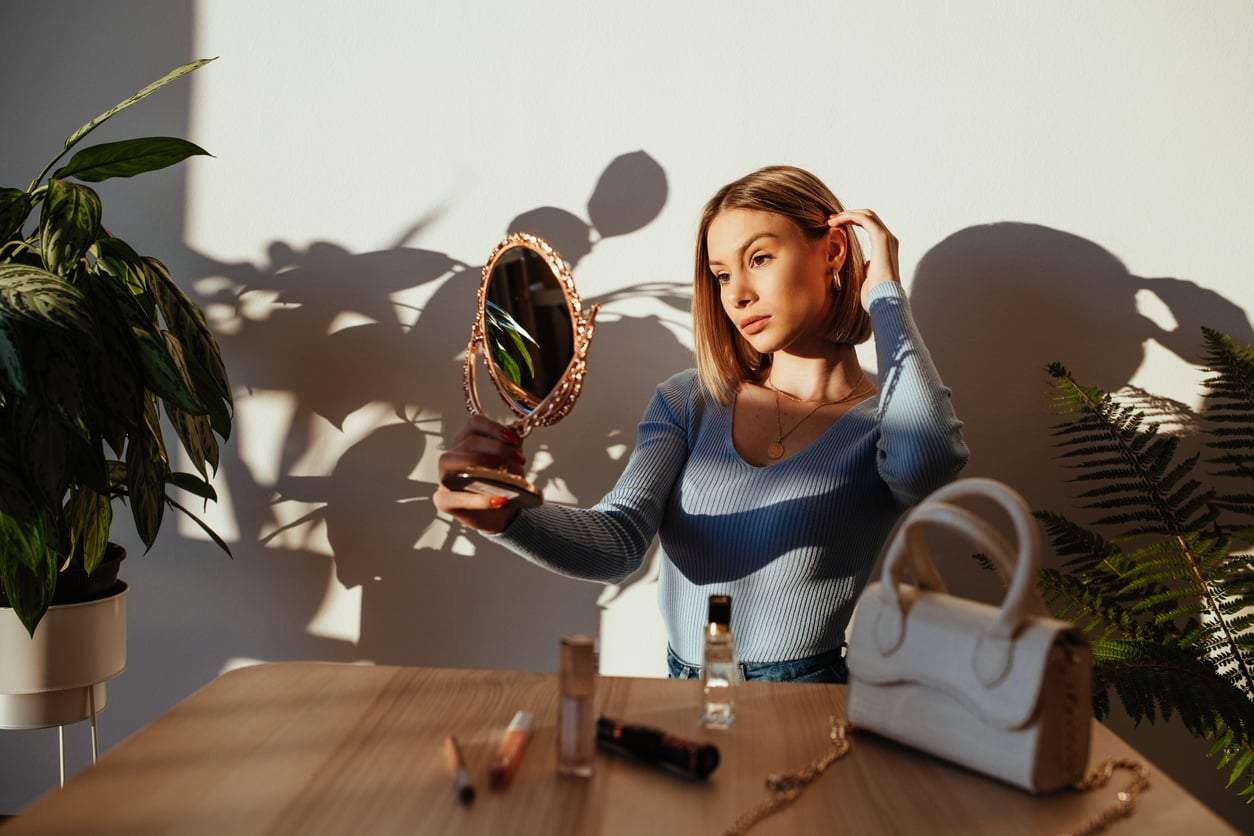
Type "self-care" into the Instagram search bar and within seconds you'll feel like you've wandered into a wellness hotel commercial. Silk robes everywhere. Candles, bubble baths, matcha lattes, LED face masks, protein shakes, headspa treatments. The images are beautiful, the lighting is flawless, and yes, that scalp-massaging shower head does look amazing. I'm not saying I wouldn't happily lie under it for an hour. I'm just saying that in real life, self-care doesn't actually look like this.
There's nothing wrong with buying a nice face cream, booking a massage, or making your favorite smoothie. I enjoy those things too. My problem is that on social media, self-care shows up almost exclusively as consumption. As if it always requires something to buy, book, or order.
When you think about it, this isn't surprising at all
The algorithm has no interest in showing you the moment someone chooses to go to bed at 9:30 instead of watching one more episode. That doesn't drive engagement. Neither does closing your laptop when the workday ends, or saying no to yet another task. These moments are hard to package prettily, and even harder to sell.
And typically, the people making this kind of content are trying to sell a product or a service. I don't blame them for it, that's their job. But it's easy to start believing that the price of self-care is a new gadget, a supplement, or a treatment.
For me, though, this word has come to mean something completely different over the past few years.
As contradictory as it sounds, for me self-care is very often uncomfortable.
It means going to work out even when I don't feel like it. When I'd much rather stay on the couch and convince myself I'll make up for it tomorrow. Because I know that in half an hour I'll feel far better than I do now. I don't exercise because I love every minute of it, I do it because in the long run it's good for me.
The same is true for therapy
In my opinion, simply going to therapy isn't self-care in itself, it just sounds impressive to say. The genuinely hard part comes after I walk out, when I try to actually apply what we talked about. When I catch myself falling into the same old patterns in the middle of an argument. When I try to react differently than I automatically would have twenty or thirty years ago. It's exhausting, often unpleasant, and not remotely photogenic.
If you've ever wondered whether it might be time to talk to someone, that self-awareness is already part of the work.
It's also self-care when I finally start taking my own limits seriously. When I admit I'm worn out instead of spending another two days insisting to myself that "I can handle this." I used to see rest as laziness. These days I increasingly think of it as a form of prevention.
And no, it doesn't require clearing a whole day and booking a spa. Sometimes it's more than enough to switch off the notifications on my phone and go for a walk in the park.
Sometimes self-care is made of very small things
Paying the bills on time, because I know putting it off will only stress me out later. Going to a check-up even though I really don't want to. Cooking a proper dinner instead of ordering takeout for the third time. None of these make for a photo that racks up ten thousand likes.
For me, self-love is less and less about how I pamper myself, and more and more about how willing I am to take responsibility for myself.
Just as a loving parent doesn't always give a child what they want in the moment, I don't always give myself what feels most pleasant. I give myself what I actually need.
Is buying self-care products a bad thing?
Not at all. There's nothing wrong with a nice face cream, a massage, or your favorite smoothie. The issue is only when we start believing that self-care requires spending money, when much of it is free.
Why does social media make self-care look so glamorous?
Because the quiet, unglamorous choices don't drive engagement, and much of this content is made by people selling a product or service. Beautiful, purchasable moments are simply easier to package and sell.
Can self-care actually be uncomfortable?
Yes. Working out when you'd rather not, applying what you learn in therapy, or admitting you need rest can all feel unpleasant in the moment, but they're good for you in the long run.
What are some examples of everyday self-care?
Going to bed earlier, closing the laptop at the end of the workday, paying bills on time, attending a check-up, cooking a real meal, or simply turning off your notifications and walking in the park.