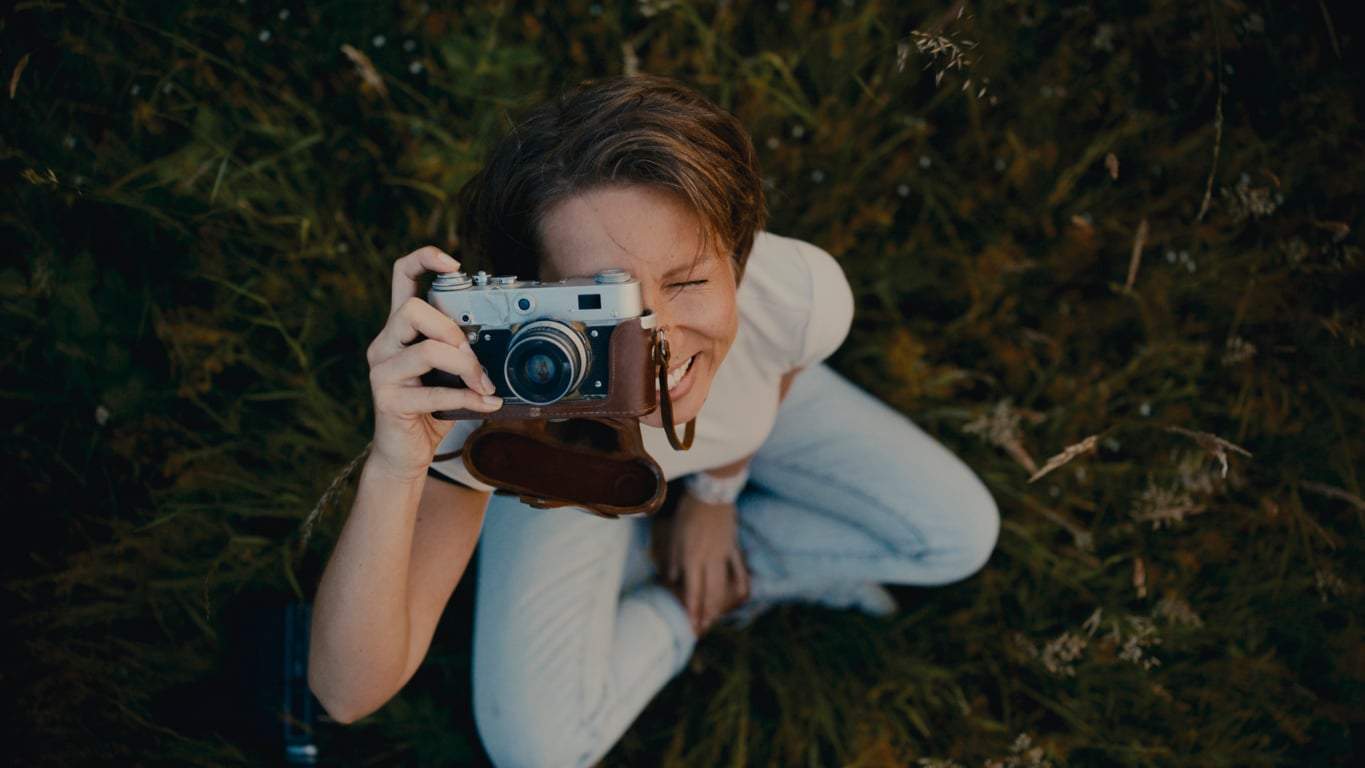
Be unique. Find your own voice. Become your true self. It's the message practically tattooed onto modern life. And yet, in our desperate push to stand out from the crowd, something genuinely strange has happened to us.
The harder we try to break away and craft our own irreplaceable version of ourselves, the more we've slowly begun to melt into one endless, perfectly homogeneous blob.
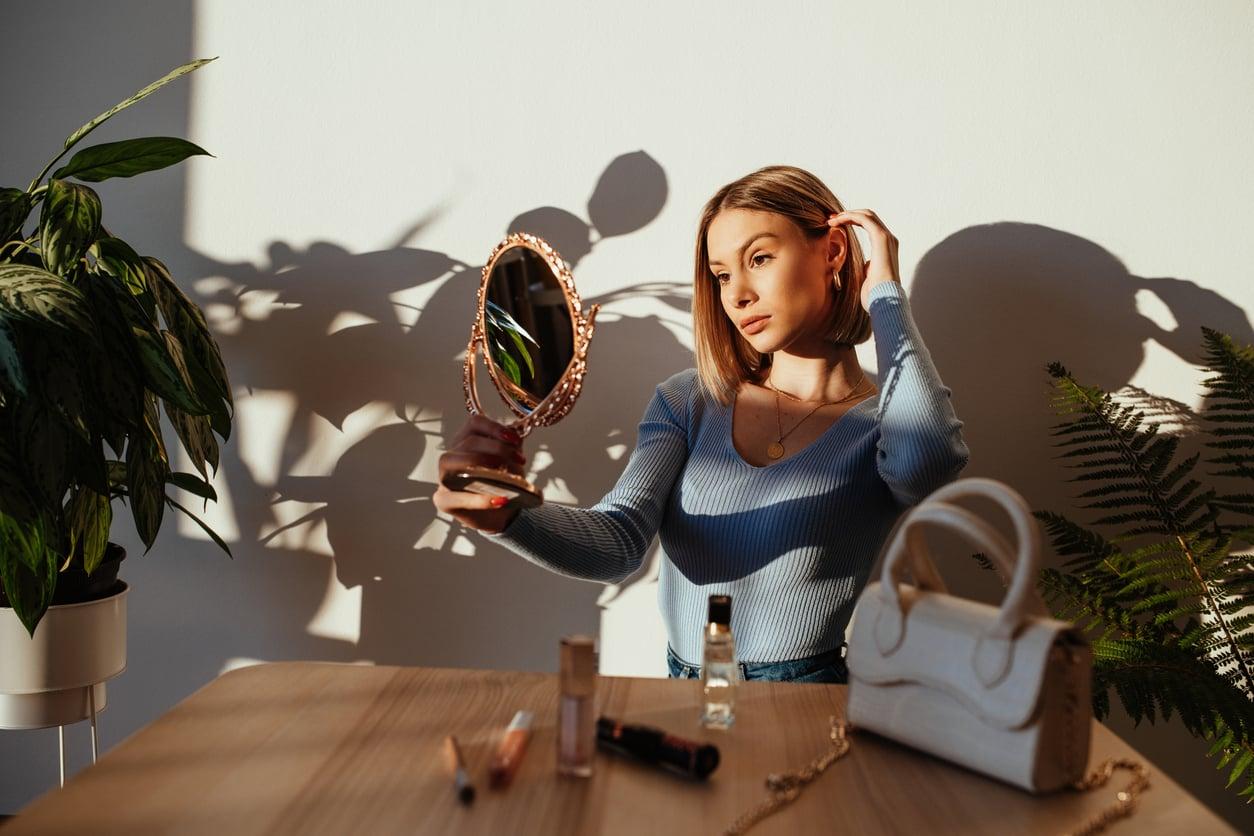
Hop on the bus in the morning, settle into your favorite coffee shop, or just scroll aimlessly through your phone, and reality hits fast: the same mass-produced, cookie-cutter aesthetic stares back at you from almost everywhere. And if genetics happened to leave us with some charming imperfection or actual individuality between the lash extensions and lip fillers, the latest phone filter arrives to iron the exact same flawless — but utterly lifeless texture onto everyone.
There's nothing wrong with wanting to change something about yourself or your look now and then. The real problem is that the end result stopped being about personal expression a long time ago. It's about conforming, yet again, to a global average taste. While we all chase our "real selves," we somehow end up looking almost identical. We want the same treatments, follow the same trends, and blow our money on the same pointless things.
The backdrop changes, but our desires don't
None of this was invented by the TikTok generation, and it isn't some modern-day illness either. Every era produced its own brand of uniform boredom, digital or analog, because the numbness behind the surface has been with us for a long time.
Back in high school, in a literature elective, I had to read Bret Easton Ellis's cult novel, Less Than Zero. Even as a teenager, it was gutting to watch the children of the Los Angeles elite live out their days. I thought that world would disappear, that it couldn't possibly survive. What I didn't see coming was that it would only grow louder.
Those young people had everything: money, status, parties, and the illusion of reckless individuality. But behind the glittering set pieces lurked a frightening, emotionally hollowed-out world. They, too, did everything they could to seem special, while being perfect copies of one another in their staggeringly lonely reality. Then and now, the exact same force drives us: the longing for a deeper, more meaningful life — one we're so often unable to fill with anything real.
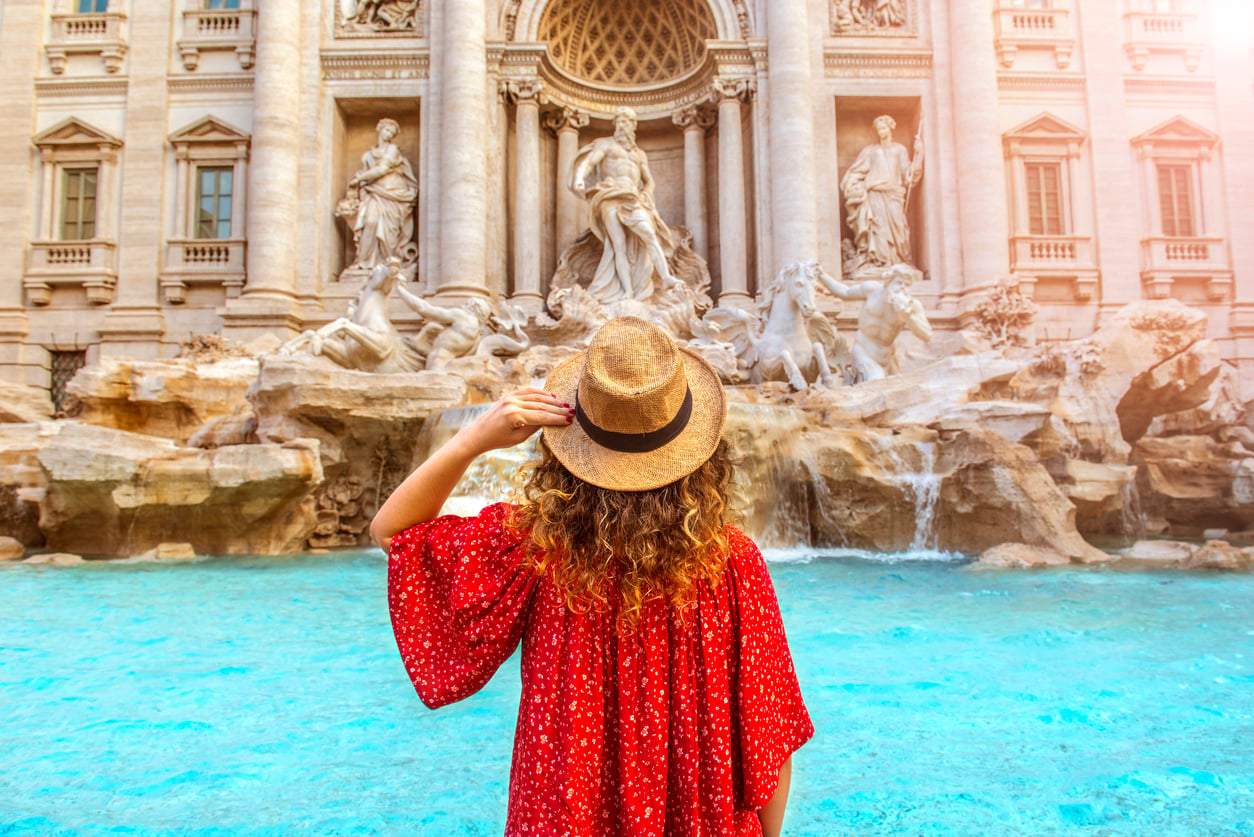
But this projection of inner emptiness doesn't only show up in an over-retouched world. It shows up at work, in our social circles, even in the way we travel. Plenty of people board a plane to "collect experiences" without any real idea of why they're going where they're going.
It became fashionable to fly to the other side of the world without the travelers being genuinely curious about the spirit of the place, its history, or even willing to start one deeper conversation with the locals.
The focus shifted to the must-visit restaurants and the flawless shots staged in front of an Insta-friendly backdrop. Instead of truly living the moment, we simply "consume" the location, as if it were a premium product picked up at a store. And behind the whole trip so often sits that frantic need to prove something: to show the outside world that our lives are special — while every mass-tourism participant follows the exact same choreography as the other ten million people.
Pre-packaged rebellion inside the design bubble
Conformity used to work in a wonderfully simple way: you took a job at the factory, followed the strict unwritten rules of the local community, and never once thought about standing out. Today conformity wears its most exciting disguise yet: individuality itself. Consumer culture and the market brilliantly figured out that with the slogan "be yourself," they can sell us just about anything. So rebellion and independence became a pre-packaged commodity — and it's how you end up buying your perfectly "unique" boots, your "eco-conscious" tote bag, or the "hot new spiritual" self-improvement course that popped up in your feed.
Social media gives you the illusion that you've discovered some niche, alternative subculture, because content confirming your worldview keeps rolling in — when really the algorithm just knows you inside out. It's a psychological fact that belonging to a group is a basic, biological need. So when you desperately try to be different from everyone else, you almost invisibly slip into ready-made alternative group identities that you only think are unique, while thousands of others copy the exact same thing.
The marketing world lives off precisely this desire: it offers lifestyle markers that dangle the promise of specialness, while pushing you into the very same mold as everyone who thinks just like you.
On top of that, in the digital world, uniqueness instantly becomes public property. The moment someone invents something genuinely original and special, it dilutes into a global trend within minutes, erasing any real difference for good.
Maybe the greatest freedom today isn't showing off how different we are. Maybe it's finally daring to simply exist, without the loud, exhausting need to prove anything at all.
Why do we all end up looking so similar when everyone wants to be unique?
Because the pressure to "be yourself" has been absorbed by consumer culture, we tend to chase the same treatments, trends, and products. The result is that our attempts at individuality funnel us toward one global average taste.
Is this obsession with standing out a new, social-media problem?
No. As the article points out, every era produced its own version of uniform boredom. The underlying emptiness has always been with us — social media and filters have simply amplified it.
How does marketing use the idea of being unique?
Marketing sells lifestyle markers that promise specialness, from "unique" boots to "eco-conscious" bags and trendy self-improvement courses. In buying them, you often end up in the exact same mold as everyone who thinks like you.
What might real freedom look like instead?
According to the article, the greatest freedom today may not be proving how different you are. It could simply be daring to exist without the constant, loud need to prove anything.