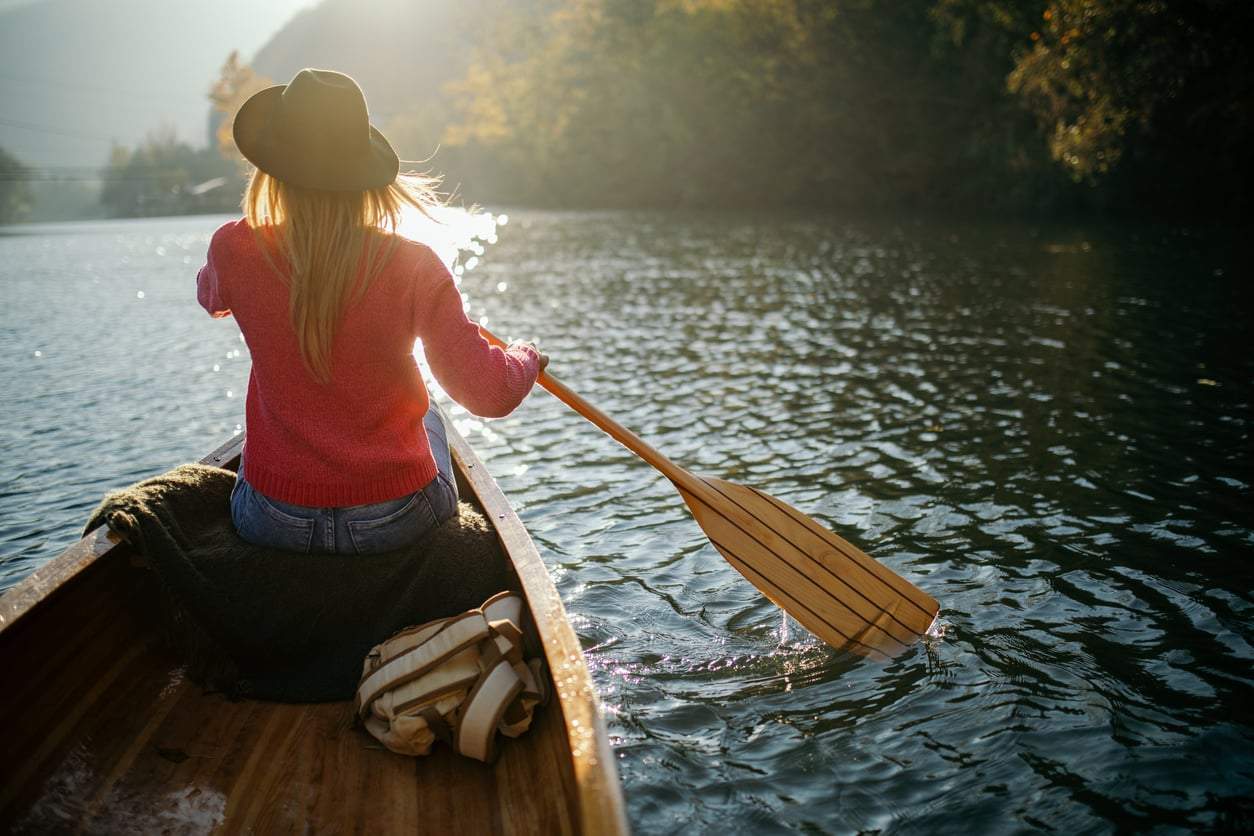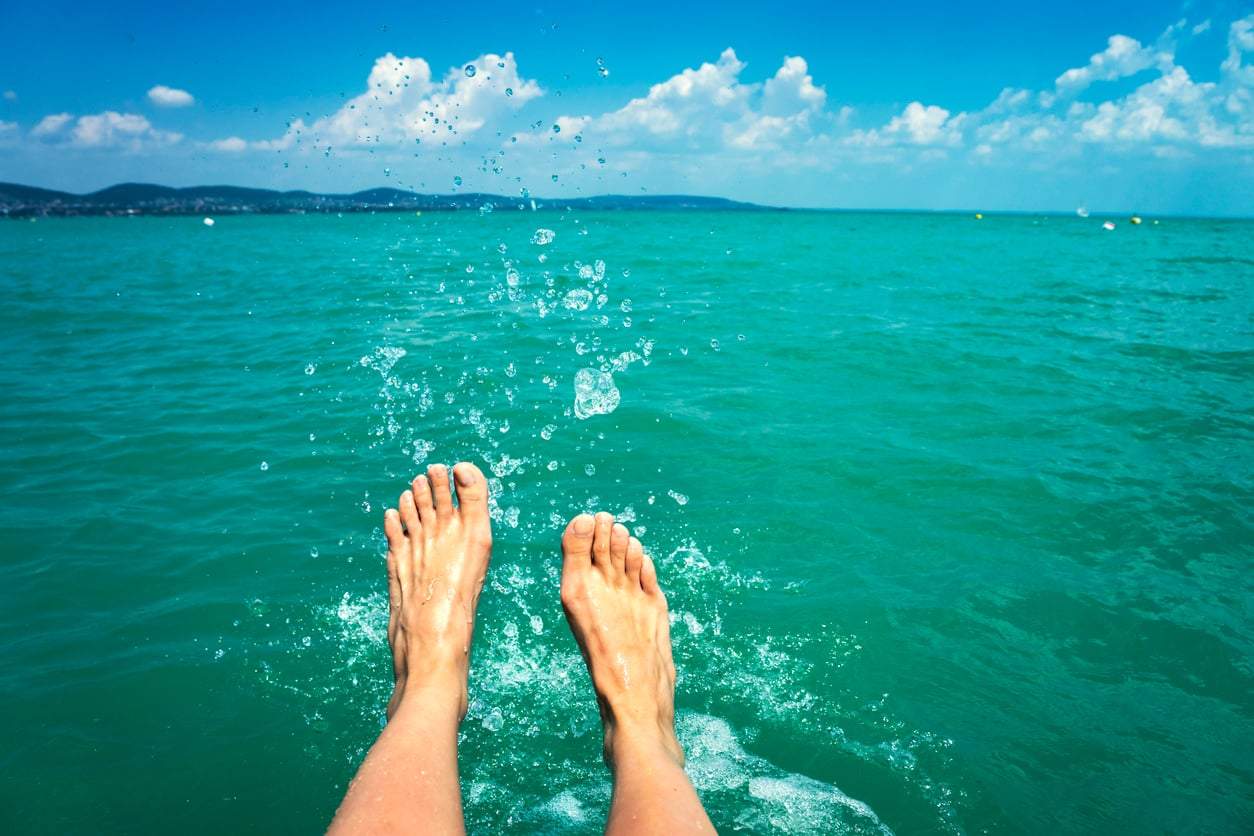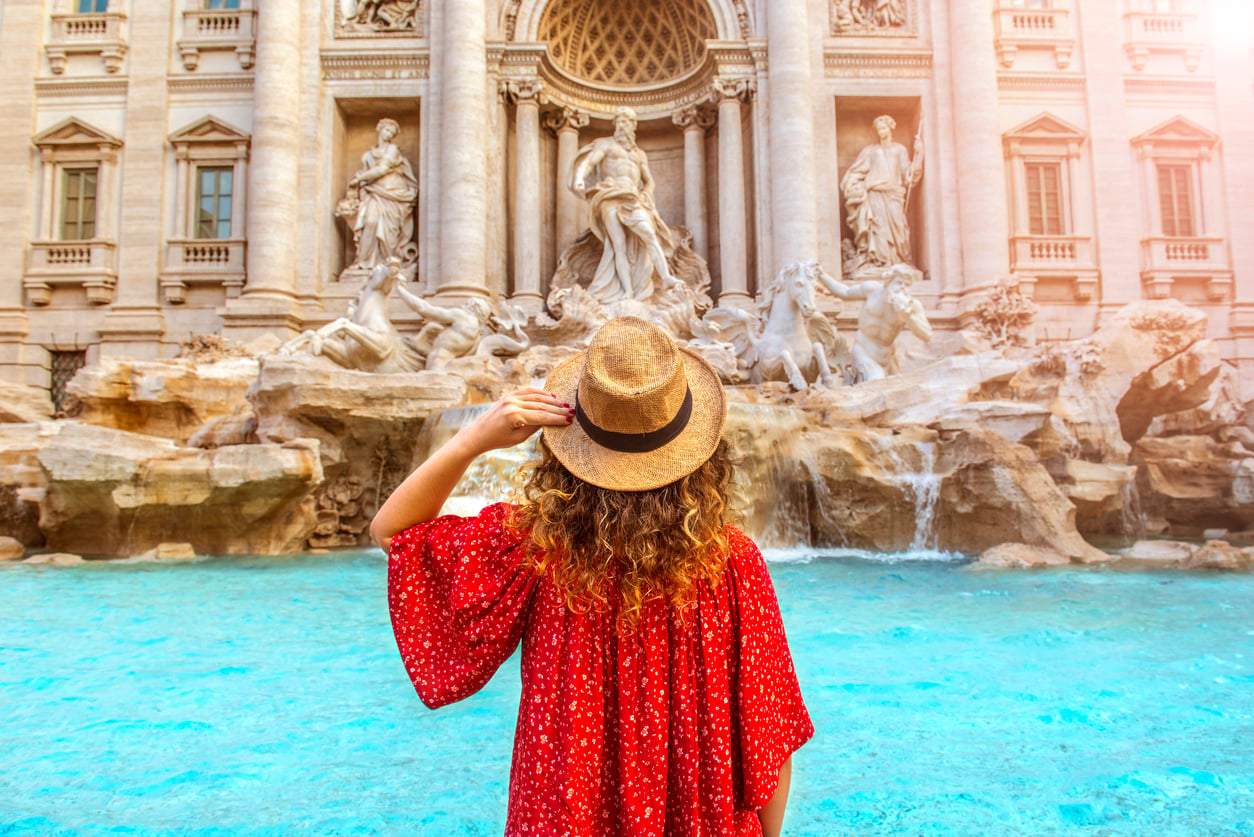
These days, we scroll through social media on autopilot hunting for the perfect place to stay, and we routinely scan the online reviews before we'll even queue for street food on holiday.
But when was the last time you set off for the coast with absolutely no idea what was waiting for you when you got there? If you were a kid or a teenager in the 2000s, you probably still remember that sweet, analog kind of freedom — the kind that feels almost impossible to recreate in our always-online world. That unforgettable era when you'd toss a disposable camera into your beach bag just in case, but the whole point of the day was never the perfect shot — it was simply being there, fully and honestly.
The magic of an unplanned adventure
We've gotten used to mapping out every single moment of a holiday almost down to the minute: we know exactly when the train arrives, where to find a parking spot, and we've even checked the view from the rental window online before we've left home.
Twenty years ago, a summer trip was a genuinely unpredictable adventure, where spontaneity set the pace. There were no smartphones in our pockets, so if we agreed to meet our friends by the entrance to the beach or on the promenade at four in the afternoon, there was no backup plan.
There was no "there's been an accident on the road" text, no location sharing to smooth everything over. We simply had to trust each other's word, and if we still lost one another in the crowd, we just kept walking along the shore until we bumped into each other again. And yet that kind of uncertainty wasn't stressful — if anything, it felt exciting, because every minute held something unexpected and impossible to repeat.
Summers without a filter
Nowadays it takes a real, conscious decision — and sometimes genuine effort — not to check your phone at the beach and not to reply to notifications the second they arrive. Back in the 2000s, that offline state was simply the natural, obvious default, long before anyone thought to give it a fancy name like "digital detox."
When we headed down to the water, we were truly there on that towel — body and soul.
No urgent work emails were buzzing, and we couldn't watch a live feed of distant acquaintances sipping colorful cocktails on some faraway beach. It was just us. Summer hits crackled from the snack bar's radio in the background, the unmistakable smell of fried dough drifted through the air, and we knew there was still plenty of time to lounge on the sand before the last bus home.
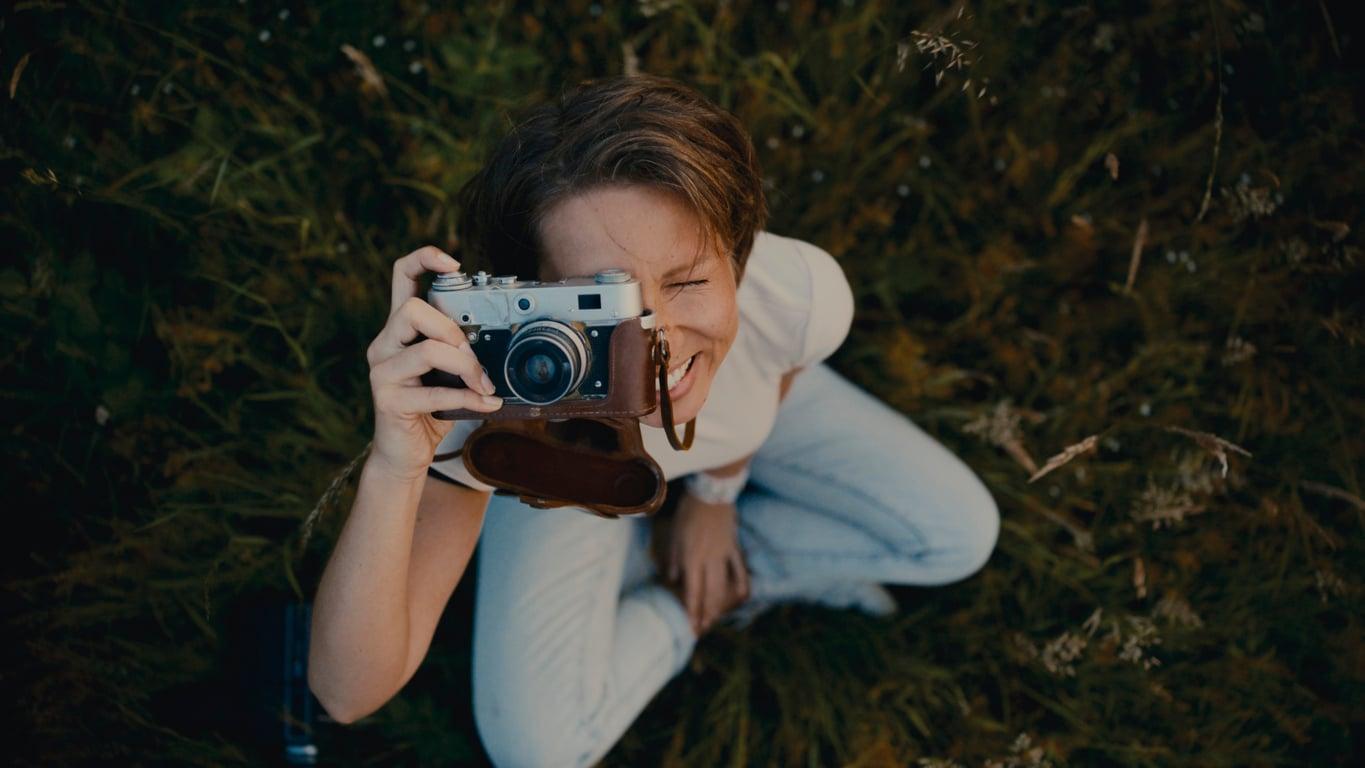
Evenings weren't about hunting for the most flattering light or the perfect composition for the ideal selfie. With that trusty disposable camera we might have snapped three shots at sunset and two outside the club under the neon lights, but the strict 24-frame limit taught us to respect the moment. We knew perfectly well that the pictures were secondary: the most important memories aren't stored in the cloud — and honestly, it's a good thing when not everything gets photographed…
Back then, a holiday meant total, limitless freedom and that reassuring, liberating feeling that no one was watching us through a screen.
We didn't feel any pressure to constantly prove to the outside world how great a time we were having — we simply gave ourselves over to the moment, and we were happy.
Let's be clear: planning and mindfulness aren't the enemy
I'm one of those people who likes to keep things under control. I genuinely enjoy planning my trips in advance, keeping an eye out for cheap tickets, and occasionally booking admission ahead of time. But for me, that kind of planning is never about chasing the overhyped, obligatory Instagram pilgrimage spots — those I tend to steer well clear of. It's much more about inner peace and practicality.
Because there really is a comforting convenience in not having to peel yourself off the beach blanket too early just because no one in the group can quite remember when the last train leaves. But when you think about it, the small logistical preparations we made back then — jotting down timetables, keeping some coins handy in case you needed to call from a phone booth — weren't such big sacrifices after all. They simply gave freedom a safe frame. The real, frightening sacrifice is the one we make today, when we stare at the glowing screens in our pockets and willingly trade real experiences for digital likes.
Maybe it's worth smuggling a little of that old disposable-camera mentality back into our trips today: plan just enough to feel safe, and for the rest of the time, tuck the phone away and let reality write the best stories.
Why did 2000s holidays feel more spontaneous?
Without smartphones or location sharing, plans couldn't be endlessly rearranged. You trusted each other's word, and the uncertainty made every moment feel unexpected and exciting rather than stressful.
What was so special about disposable cameras?
With only 24 frames, you learned to respect the moment instead of snapping endlessly. The pictures were secondary — the point was being present, not building the perfect photo album.
Does this mean planning a holiday is a bad thing?
Not at all. As the article points out, planning for peace of mind and practicality is helpful. The problem is chasing likes and Instagram spots instead of enjoying the actual experience.
How can I bring that old feeling back to my trips?
Plan just enough to feel safe and organized, then put your phone away for the rest of the time and let real life — not your feed — create the best memories.