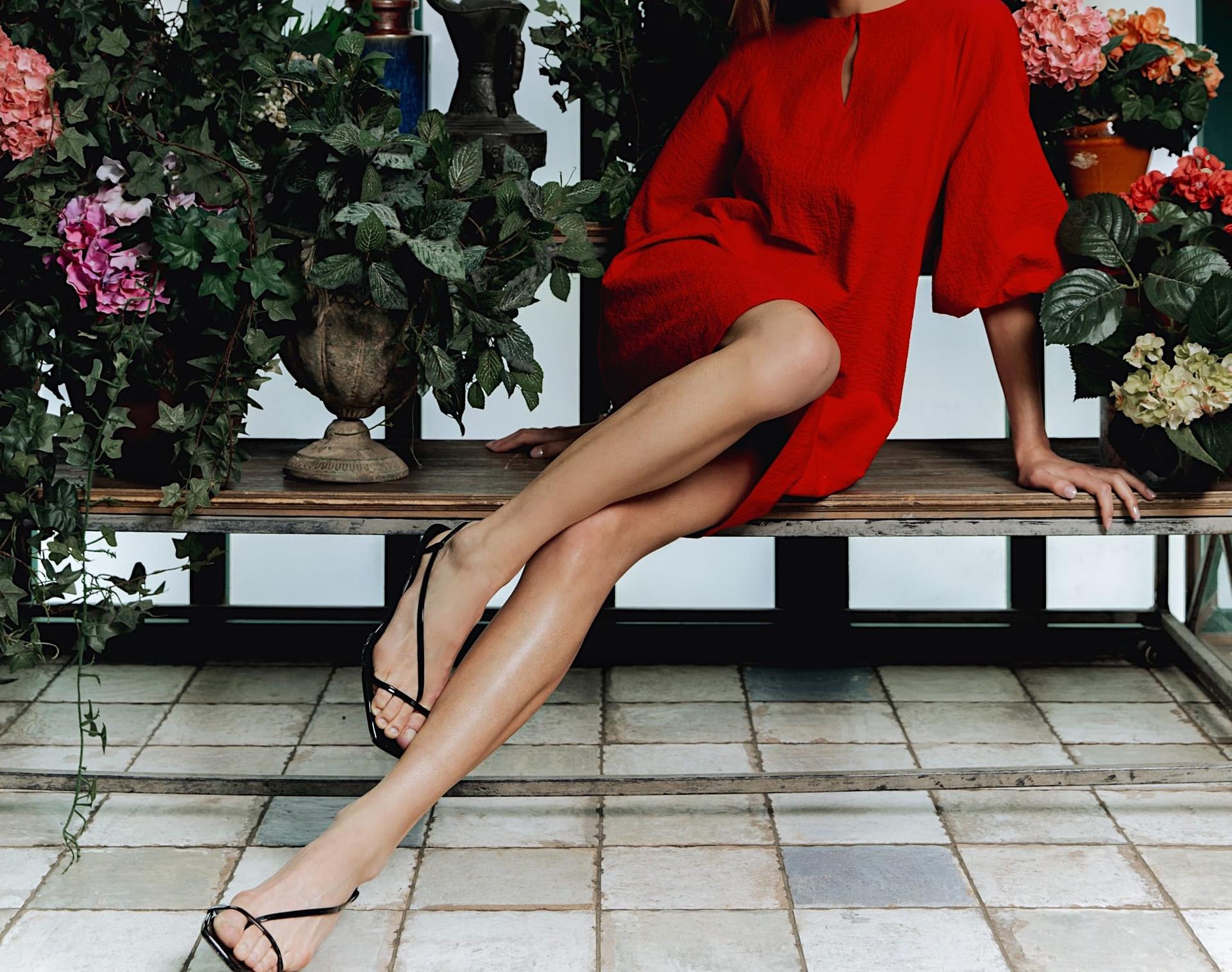
Scroll through social media on any given day and you'll find them: comments under photos of mothers who dress boldly — or, honestly, just normally. A miniskirt. A fitted dress. A pair of shorts. And underneath, the same tired refrain.
"A mom shouldn't dress like that." "She should think about her kids." "That's just not appropriate for her anymore."
Some of my friends have felt most like themselves in jeans and a T-shirt their entire lives, and that's completely fine. I've always felt most like myself in something more feminine, a little bolder. That's fine too. And yet women in that second group often feel they can never wear their old clothes again after having a baby — even when they're lucky enough to fit into them.
As if motherhood meant erasing yourself. As if giving birth automatically required you to sign away your body, your desires, your femininity.
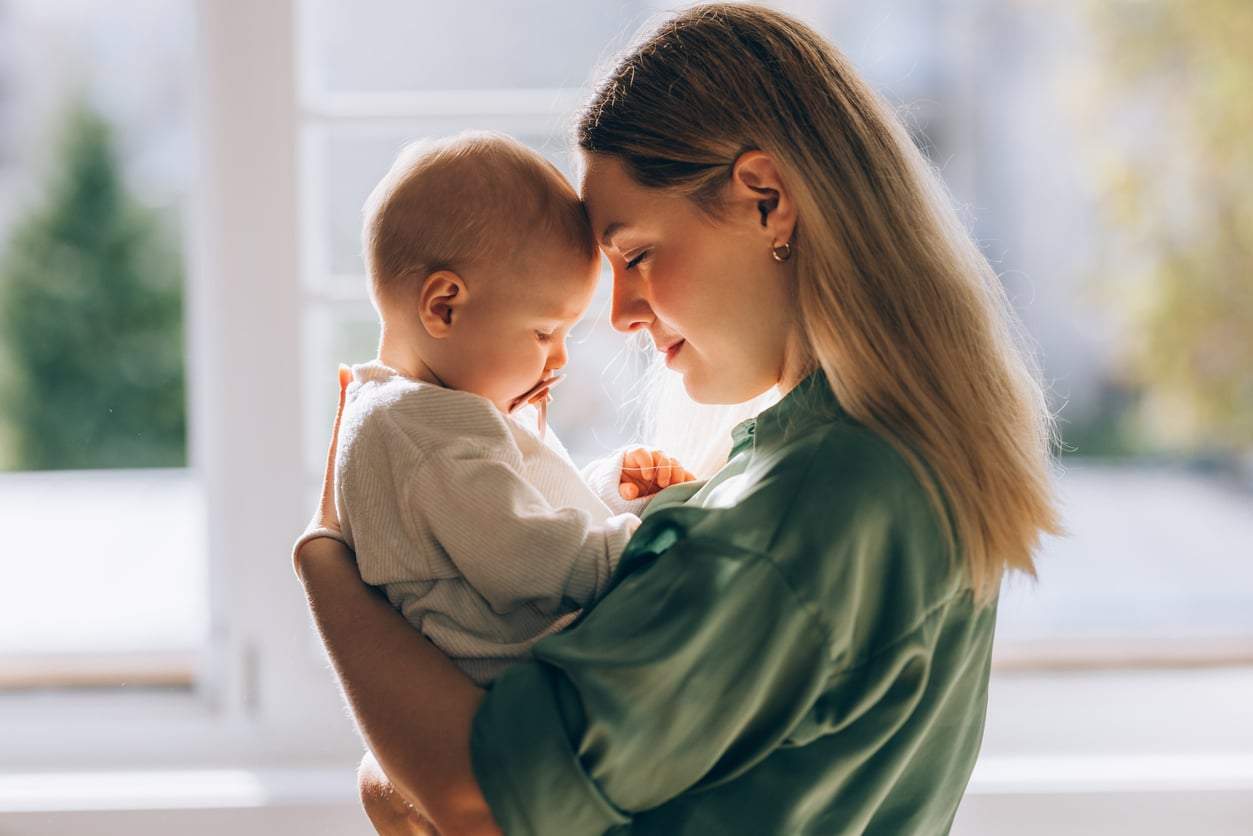
But becoming a mother doesn't make the woman disappear. We don't stop being people with our own bodies, our own feelings, our own wants. Our body stays the same — it just carries new experiences now. Birth, breastfeeding, the sleepless nights all leave their mark, but it's still ours.
Not the community's. Not society's. Not the neighbor's, who somehow feels entitled to comment when a mom of three posts a beach photo in a crop top. And certainly not the stranger online who's decided that "you just can't wear that once you're a mother."
The double standard runs deeper than we think
A mother is told: don't be provocative, don't be sexy, don't show yourself off. But if her husband leaves her, the first question is always: "I wonder why?" And the answer often hides in a shrug: "She probably let herself go." "She wasn't the same as when they met."
So if a mother keeps living as a woman, we criticize her. But we've also quietly decided she can't expect attention or affection in that desexualized role either. It's a cage with no right answer — only guilt and the pressure to please.
Here comes the sentence some people will find scandalous: it is completely okay for a mother to remain a sexual being. She doesn't have to hide. She doesn't have to banish her miniskirts and low-cut dresses to the back of the closet just because she gave birth. Raising a child doesn't mean giving up on yourself.
Femininity isn't a switch you flip off at the delivery room door. And it's not something to keep secret. It belongs to us just as much as motherhood does.
If you've ever wondered where that quiet guilt comes from, it's worth exploring what it really means to stay a woman through every season of life.
What our kids actually learn from watching us
Of course, a parent's sex life is none of the children's business — that goes for fathers just as much as mothers. But it's just as unhealthy to send the message that mothers aren't women.
If children never see their mother enjoy her body or embrace her own beauty, here's the lesson they absorb: femininity has an expiration date. That once they have kids of their own, they'll have to hide. That being a mother means pushing yourself into the background.
That's exactly why it's worth rethinking what we signal to mothers — publicly, but also in the offhand remarks dropped among friends or at family lunches. Motherhood isn't a role that dissolves your identity. It's another layer on top of it.
You can be a loving, devoted, present parent while staying a confident, attractive, sexy woman. And that's not just acceptable — it's freeing.
A miniskirt doesn't measure your motherhood, and neither does society. What measures it is how we love, and how we stay true to ourselves.
Why do people judge mothers for how they dress?
It usually comes down to a lingering double standard that treats motherhood as something separate from womanhood. When a mom dresses in a way seen as bold or feminine, some people assume she should have "toned it down" after having children.
Does becoming a mother mean giving up your femininity?
No. As the article argues, femininity isn't a switch you turn off at the delivery room door. Motherhood is another layer of who you are, not a replacement for the woman you already were.
What message do children take away from how their mother presents herself?
If children never see their mother enjoy her body or her own beauty, they may learn that femininity has an expiration date — and that becoming a parent means hiding themselves. Seeing a confident, self-assured mother teaches the opposite.
Can you be a devoted parent and still feel attractive?
Absolutely. You can be loving, caring and present while also feeling sexy and confident. The article calls this not just acceptable, but genuinely freeing.