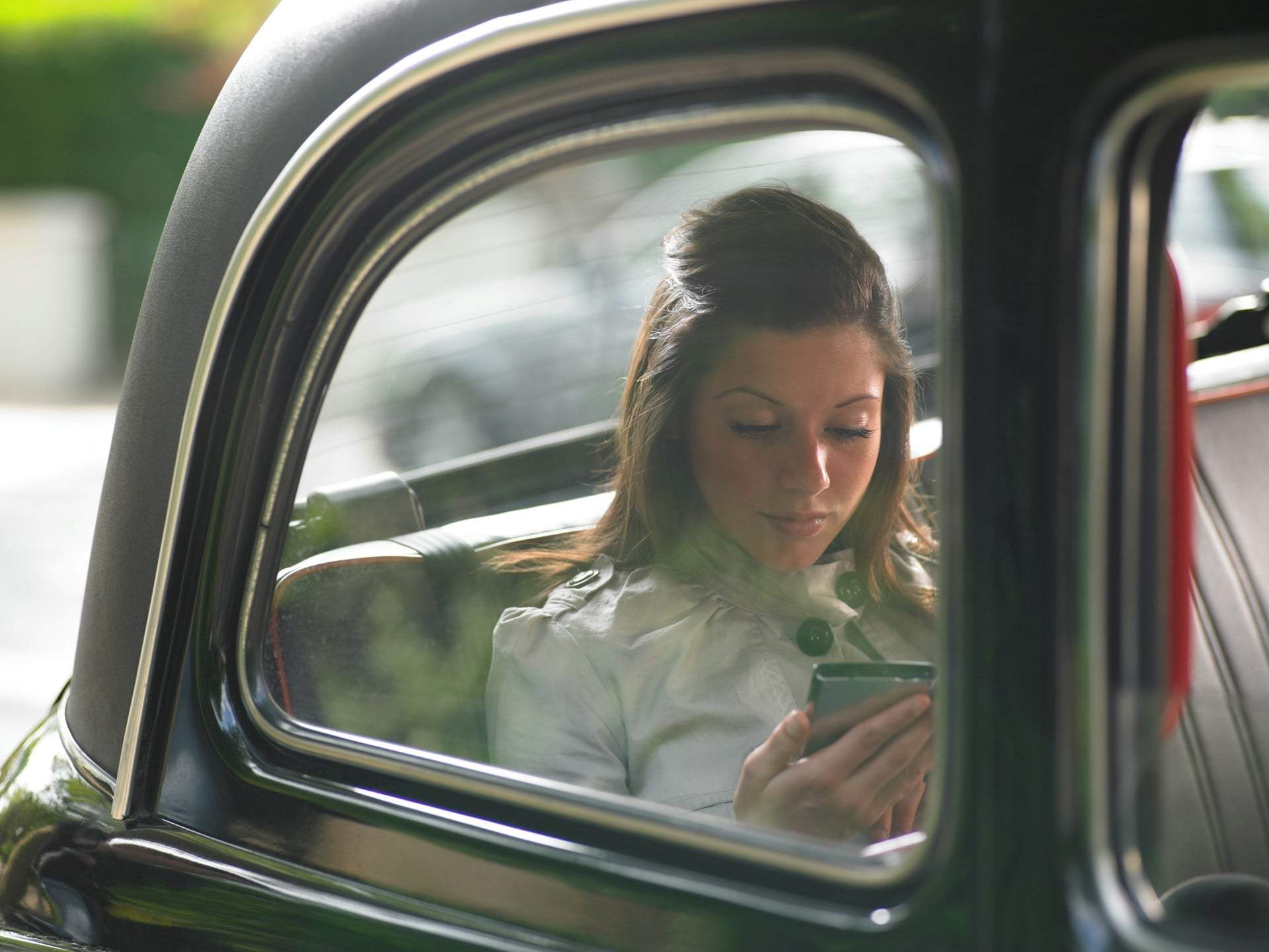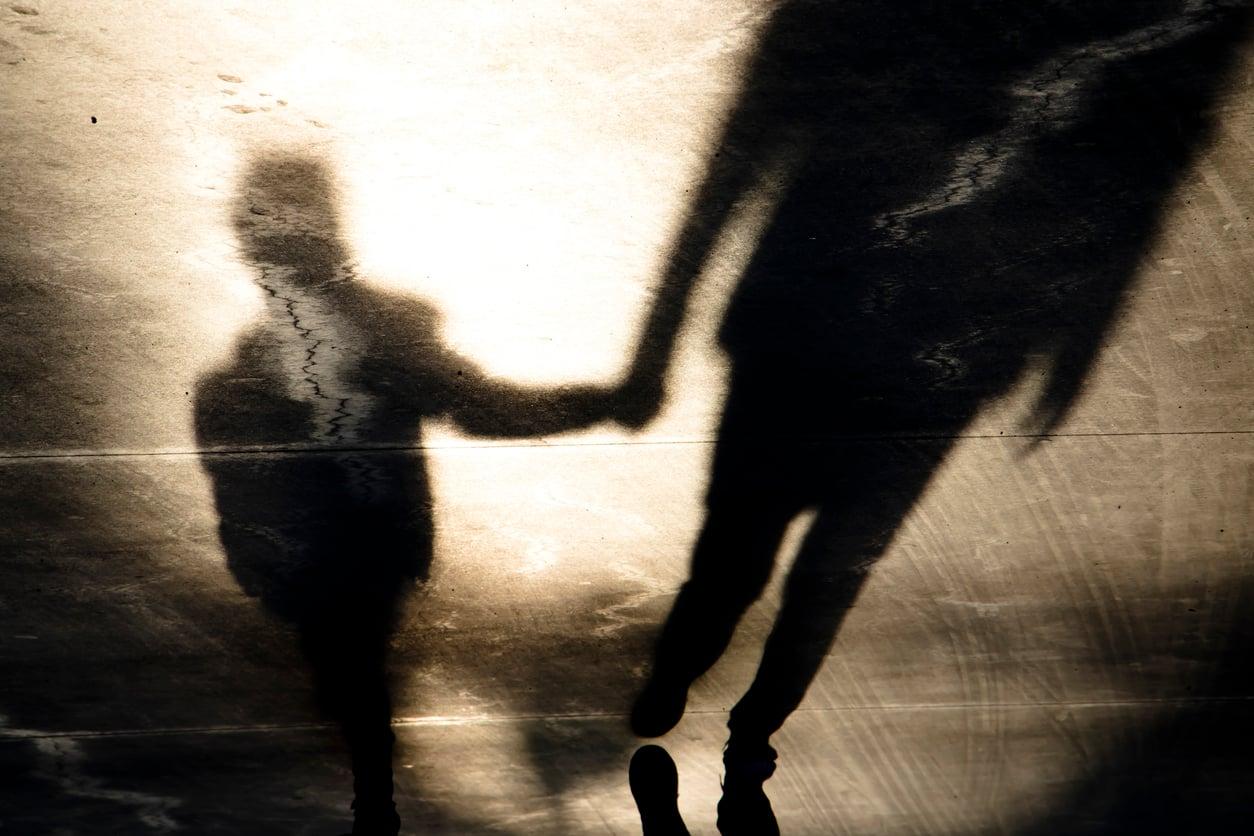
Picture a childhood moment you remember perfectly. The sights, the feelings, the tiny details. Now imagine being told it never actually happened.
It sounds impossible, yet this is exactly the question American cognitive psychologist Elizabeth Loftus set out to explore. Her research fundamentally changed the way we think about human memory, and what she discovered is unsettling in the best possible way.
One of her best-known studies was the so-called "Lost in the Mall" experiment, published by Loftus and her colleague Jacqueline Pickrell in the mid-1990s. The goal was simple but bold: to find out how easily human memory can be manipulated, and whether it's truly possible to plant memories of events that never occurred.
A childhood story that never happened
During the experiment, participants were given written descriptions of several childhood events. Most of them were real and had been confirmed by close family members, usually their parents.
But among these true stories, the researchers slipped in one completely fabricated event: the idea that, as a small child, the participant had gotten lost in a shopping mall before a kind stranger helped them find their family again.
Participants were asked to recall these memories and share as many details as they could. Although the "getting lost" story was entirely invented, by the end of the study a significant number of people remembered it as if they had genuinely lived through it.
Many gave detailed accounts of how they felt, what they saw around them, and even recalled small specifics that their own imagination had quietly created.
Memory is not a video recording
One of the most important lessons from the research is that human memory does not work like a video camera faithfully recording the past. Every time we recall something, the memory is partly rebuilt, and outside information, suggestions, or stories we heard later can easily creep into that process.
If you're fascinated by how the mind shapes the past, you might also enjoy exploring the childhood memories that quietly shape who we become.
Loftus found that under the right conditions, a single confirmation from a trusted person — a parent or close relative, for example — can be enough for someone to start "remembering" an event that never happened. What's more, these false memories can feel remarkably real, which is why the people who hold them often believe in them with complete certainty.
Why this research mattered so much
Elizabeth Loftus's work reached far beyond the laboratory. Her findings had a profound impact on psychology, on police interrogation methods, and on the justice system itself.
She showed that eyewitness testimony — even when completely honest — does not necessarily reflect the truth, because memory can be easily swayed by the way questions are asked, by suggestions, or by other people's accounts.
This doesn't mean all our memories are false, or that we can't trust our own past. Instead, it reminds us that memory is an incredibly complex, constantly shifting process, one in which real experiences, personal interpretations, and imagination can all play a part.
What this means for everyday life
Most of us hold childhood memories that have been shaped over the years by family stories, old photographs, or other people's recollections. It's entirely possible that certain details have shifted, become more colorful, or picked up entirely new elements along the way.
Elizabeth Loftus's research reminds us that the human mind doesn't simply preserve the past — it recreates it, again and again. That realization is both fascinating and a little humbling: a large part of who we are is built on our memories, yet those memories aren't always as solid and unchanging as we'd like to believe.
Maybe that's exactly why it's worth asking ourselves, every now and then: do we really remember everything the way it happened, or has our brain quietly rewritten parts of our story over the years?
What was the "Lost in the Mall" experiment?
It was a study by Elizabeth Loftus and Jacqueline Pickrell in the mid-1990s. Participants received several childhood stories, including one fabricated account of getting lost in a shopping mall, and many came to "remember" the invented event as real.
Can people really form memories of things that never happened?
Yes. Loftus found that under the right conditions, a confirmation from a trusted person like a parent can be enough for someone to start recalling an event that never took place, often with vivid detail.
Does this mean all our memories are false?
No. It simply means memory is a complex, ever-changing process where real experiences, interpretations, and imagination can blend together, so some details may shift over time.
Why did Loftus's research influence the justice system?
It revealed that eyewitness testimony, even when honest, may not accurately reflect reality, since the way questions are asked and outside suggestions can distort what people remember.